
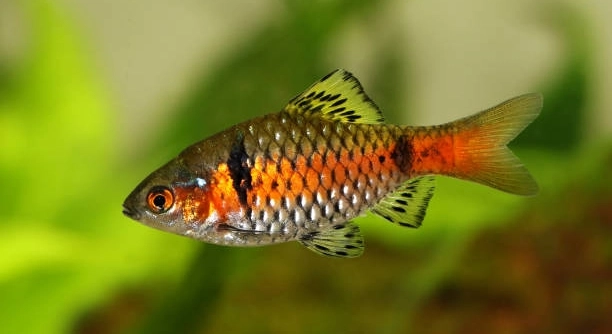
Rosy barbs are lively fish known for their bright colors and active behavior. They often show signs of stress or excitement before you might even notice. Understanding these early signs can help maintain their health and well-being.
Rosy barbs exhibit certain behaviors such as increased swimming speed, fin flaring, hiding, or sudden darting movements before any visible issues arise. These actions serve as indicators of environmental stress, illness, or social dynamics within the tank.
Recognizing these behaviors early can improve care and prevent bigger problems in your aquarium. The following examples highlight key moments when rosy barbs act first.
Sudden Darting Movements
Rosy barbs often make quick, sharp movements around the tank. This behavior can be a reaction to sudden changes in their environment. Loud noises, strong lighting, or the introduction of new tank mates can trigger these darting actions. Sometimes, darting shows excitement, but it can also indicate stress or discomfort. When this happens frequently, it is important to check water quality and tank conditions. Poor water parameters like high ammonia or nitrate levels cause distress and may lead to disease. Another cause can be overcrowding, which makes fish compete for space and oxygen. Observing darting behavior early helps prevent serious health problems. It is helpful to keep the tank calm and stable. Reducing disturbances and maintaining clean water are key steps. If darting is paired with other signs like hiding or loss of appetite, a closer look at health is needed. Timely intervention can protect your rosy barbs from further issues.
Darting can also be a sign that your fish feel threatened or insecure in their environment. This reaction helps them avoid danger but should not last long.
If darting behavior is noticed often, evaluate the tank setup carefully. Ensure the water temperature is consistent and within the recommended range for rosy barbs. Check that decorations do not cause sharp turns or block swimming paths, which might stress the fish. Adding plants or hiding spots can help the fish feel secure and reduce frantic movements. Regular monitoring and gentle handling can make a big difference in their behavior.
Flaring Fins and Body Posture
Flaring fins is a clear way rosy barbs communicate stress or aggression. This posture shows they are either warning other fish or reacting to discomfort. It can also mean they are trying to look bigger to establish dominance. This behavior can cause fights if tank mates are aggressive. If flaring happens often, it may indicate overcrowding or lack of hiding places. It can also be caused by poor water quality, which irritates the fish and raises their stress levels.
Maintaining a balanced social group and providing enough space helps reduce flaring. Monitoring water parameters is essential to prevent conditions that trigger this behavior.
Keeping the tank well-planted with enough room allows rosy barbs to express natural behaviors without constant tension. Removing aggressive fish or separating overly dominant ones may be necessary. It is important to test the water regularly for ammonia, nitrites, and nitrates, as poor water quality can worsen fin flaring. Using a water conditioner and performing regular water changes will keep the environment safe and calm. A peaceful tank environment reduces stress, letting rosy barbs maintain healthy social interactions. By understanding fin flaring, caretakers can better address the needs of their fish and create a healthier tank atmosphere.
Hiding More Than Usual
When rosy barbs hide more often, it usually means they feel unsafe or unwell. This behavior can be caused by stress, illness, or changes in their environment. It is important to watch for other signs to understand the cause.
Hiding is a natural defense for fish, but excessive hiding may show serious problems. Poor water quality, sudden temperature shifts, or aggressive tank mates often trigger this behavior. When fish hide, they may eat less and lose weight, affecting their health. Ensuring the tank has enough plants and shelters can help fish feel secure and reduce stress. Checking water parameters regularly will keep conditions stable and comfortable. If hiding persists, testing for illness or parasites is recommended.
Sometimes shy or new fish hide to adjust to their new home. Gradually improving their environment and reducing disturbances helps them come out more often. Encouraging healthy behavior includes feeding at regular times and keeping the tank calm. Avoid sudden changes and be patient while the fish settle in. Monitoring their actions closely helps detect early signs of trouble before it worsens.
Loss of Appetite
A sudden loss of appetite in rosy barbs signals that something is wrong. It could mean stress, illness, or poor water conditions. This behavior needs attention to prevent further health issues.
Fish stop eating when they feel threatened or sick. Common causes include infections, parasites, or water problems like incorrect pH or toxins. Lack of appetite can weaken fish quickly, making them vulnerable to diseases. Observing other symptoms such as lethargy or unusual swimming patterns can help identify the problem. Feeding small, frequent meals and offering a variety of foods may encourage eating. Maintaining good water quality with regular cleaning supports recovery. If appetite loss continues, consulting a vet or fish specialist is advised.
Ensuring a stress-free environment with proper tank mates and hiding spots reduces anxiety and helps maintain a healthy appetite. Being attentive to changes in eating habits supports early detection of issues and keeps rosy barbs healthy longer.
Sudden Loss of Color
A sudden dulling of color in rosy barbs often signals stress or poor health. Changes in water quality, lighting, or diet can cause this shift. It’s important to identify the cause quickly to restore their vibrant appearance.
Color loss can also happen during illness or when fish are recovering from shock. Regular monitoring of water parameters and maintaining a balanced diet helps prevent this issue. Adjusting tank conditions and reducing stressors supports color recovery over time.
Restlessness or Constant Movement
When rosy barbs swim without rest, it may indicate discomfort or stress. This restless behavior can be caused by poor water quality, parasites, or overcrowding. Watching closely helps catch problems before they worsen. Providing a calm and clean environment reduces stress and promotes normal behavior.
Erratic Swimming Patterns
Erratic swimming, such as spinning or crashing into tank walls, often shows neurological problems or poisoning. Causes include exposure to toxins, sudden temperature changes, or infections. Immediate water testing and treatment are necessary. Early action prevents serious harm and improves chances for recovery.
Gasping at the Surface
Gasping at the water surface is a clear sign of low oxygen levels or poor water quality. Improving aeration and performing water changes quickly helps resolve this dangerous condition.
FAQ
Why do rosy barbs suddenly dart around the tank?
Sudden darting is usually a reaction to stress or fear. Changes in lighting, loud noises, or new tank mates can cause this behavior. It may also signal poor water conditions or overcrowding. Watching water quality and tank setup helps reduce this behavior.
How can I tell if fin flaring is a problem?
Flaring is normal in some situations but becomes a problem when it happens often. Frequent fin flaring may mean aggression, stress, or poor water quality. Check for overcrowding and test water parameters to find the cause.
What should I do if my rosy barbs hide all the time?
Hiding is normal but excessive hiding may mean illness or stress. Ensure the tank has enough plants and hiding spots, and check water quality. Observe for other symptoms like loss of appetite or unusual swimming.
Why is my rosy barb losing color?
Color loss often points to stress, poor water quality, or a bad diet. Illness or parasites can also cause this. Maintaining clean water, stable temperature, and a balanced diet usually restores color.
What causes loss of appetite in rosy barbs?
Loss of appetite can result from stress, illness, or poor tank conditions. Parasites, infections, or water toxins may also be factors. Monitor other symptoms and maintain good water quality to support recovery.
How do I improve my rosy barbs’ environment to reduce stress?
Provide enough space, proper hiding places, and compatible tank mates. Keep water clean and stable. Avoid sudden changes in lighting, temperature, or tank setup.
What does erratic swimming mean?
Erratic swimming like spinning or crashing may indicate poisoning, infections, or neurological problems. Check for toxins, test water quality, and seek treatment quickly.
Why are my rosy barbs gasping at the surface?
Gasping means low oxygen levels or poor water quality. Improve aeration and perform partial water changes immediately. Check filtration and avoid overcrowding.
Can rosy barbs recover from stress behaviors?
Yes, with proper care and environment adjustments, rosy barbs often recover. Early detection and action are important to prevent illness.
How often should I test the water in a rosy barb tank?
Test water weekly for ammonia, nitrites, nitrates, and pH. Regular testing helps catch problems early and keeps fish healthy.
Is it normal for rosy barbs to be aggressive?
Some aggression is normal but excessive aggression signals issues like overcrowding or incompatible tank mates. Separate aggressive fish if needed.
How do I encourage rosy barbs to eat again?
Offer small amounts of varied foods at regular times. Reducing stress and maintaining clean water also helps improve appetite. If appetite loss continues, seek advice from a vet.
What are signs of illness besides behavior changes?
Look for white spots, frayed fins, swelling, or abnormal breathing. These signs need prompt attention to prevent worsening conditions.
Can changes in tank setup cause stress to rosy barbs?
Yes, sudden changes like moving decorations or introducing new fish can stress them. Make changes slowly and carefully to minimize impact.
What role does water temperature play in rosy barb health?
Rosy barbs prefer stable temperatures between 64°F and 72°F. Sudden changes can cause stress and illness. Use a reliable heater and thermometer to maintain stability.
How important is tank size for rosy barbs?
Rosy barbs need space to swim. A tank of at least 20 gallons for a small group is recommended. Overcrowding increases stress and aggressive behavior.
Should I quarantine new fish before adding them to the tank?
Quarantining helps prevent disease introduction. Keep new fish separate for two weeks, watching for signs of illness before adding them to the main tank.
How do I treat common diseases in rosy barbs?
Treatment depends on the disease but usually includes improving water quality and using medication. Consult a fish health specialist for proper diagnosis and treatment plans.
What is the best diet for healthy rosy barbs?
A varied diet including flakes, pellets, and occasional live or frozen foods supports good health. Balanced nutrition helps maintain color and energy levels.
How can I tell if my rosy barbs are happy and healthy?
Active swimming, bright colors, regular eating, and normal social behavior indicate healthy fish. Changes in behavior or appearance may require attention.
Final Thoughts
Caring for rosy barbs requires attention to their behavior and environment. These fish often give early signs of stress or discomfort through actions like darting, hiding, or flaring fins. Recognizing these signals quickly helps prevent health problems before they become serious. Maintaining good water quality, providing enough space, and keeping a stable environment are key to keeping rosy barbs healthy. Simple habits like regular water testing, proper feeding, and gentle handling can make a big difference. By paying close attention to their behavior, caretakers can better meet the needs of their fish.
It is important to understand that changes in behavior are often linked to the fish’s environment. Poor water conditions, overcrowding, or aggressive tank mates can cause stress that shows in their actions. Providing plenty of hiding spots and a calm setting reduces tension and helps fish feel safe. Some behaviors, like color loss or loss of appetite, may point to illness and require timely intervention. Observing rosy barbs daily allows owners to catch problems early. Quick response often improves the chances for recovery and keeps the fish comfortable. The goal is to create a balanced, healthy tank where the fish can thrive.
Taking care of rosy barbs is a rewarding experience when their needs are understood and met. Their active nature and bright colors make them enjoyable to watch, especially when they are well. Being aware of their early warning signs helps avoid bigger health problems and keeps the aquarium peaceful. The small efforts made in maintaining a good environment and watching their behavior pay off by extending the life and happiness of the fish. Caring consistently and thoughtfully ensures that rosy barbs remain lively and beautiful additions to the home aquarium.

Hello,
If you enjoy the content that we create, please consider saying a "Thank You!" by leaving a tip.
Every little bit helps us continue crafting quality advice that supports the health, happiness, and well-being of pets around the world, for pets of all shapes, sizes, and species.
We really appreciate the kindness and support that you show us!