
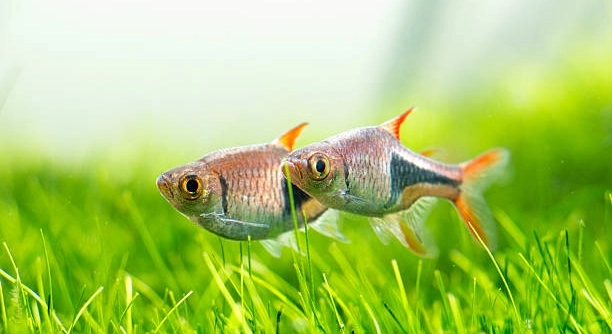
Rasboras are small, active fish often kept in home aquariums. Many owners notice their behavior but may not realize how aware these fish can be of their presence. Understanding this awareness can improve the bond between you and your fish.
Rasboras show awareness by responding to movements, recognizing feeding times, and reacting to their environment. Their behavior includes following your finger, swimming closer when you approach, and adjusting activity based on your interactions. This indicates a level of recognition beyond simple instinct.
Observing these moments of awareness reveals more about your fish’s behavior and helps foster a better relationship with them over time.
Following Your Movements
Rasboras often track your movements around the tank. They notice when you come near and will swim toward where you are standing. This behavior shows they recognize you as part of their environment. Over time, they may even follow your finger if you move it along the glass. This indicates a level of comfort and awareness of changes outside the water. Watching them respond to your presence can be rewarding because it feels like they acknowledge you. It also means they are paying attention to their surroundings in a way that goes beyond simple reflexes. This interaction can make caring for them more engaging, as they seem to notice when you are nearby.
This tracking behavior is a clear sign that rasboras are alert and aware of their environment. Their reactions go beyond basic survival instincts.
When rasboras follow movements, it often signals that they are comfortable in their tank and have adapted well to their setting. This responsiveness can increase as they become accustomed to their caretaker’s routines, making feeding and tank maintenance smoother experiences. It also shows their natural curiosity, which can be satisfying to observe daily.
Recognizing Feeding Times
Rasboras quickly learn to recognize when it is feeding time. They become more active and swim eagerly near the water surface when food is expected. This behavior shows that they associate specific times or actions with being fed. Over time, they develop a routine and may even come to anticipate food before it arrives. This response indicates memory and awareness of patterns in their environment. Feeding recognition also helps in managing their diet, as they respond to cues naturally. Observing this habit gives insight into their daily rhythm and reinforces the bond between you and your fish.
Feeding response is a practical sign of rasboras’ awareness and memory.
Rasboras’ ability to learn feeding times demonstrates their capacity for adaptation. They use environmental cues such as light changes, sounds, or your approach to predict when food is coming. This behavior is not only a sign of awareness but also shows their reliance on routine for comfort. Consistent feeding schedules encourage this recognition, making care easier. It also means that changes to feeding times or methods might cause stress, so maintaining regular habits benefits their well-being. Watching them gather expectantly can be rewarding, as it confirms their recognition of your role in providing care.
Responding to Your Voice
Rasboras can respond to familiar sounds, including your voice. They may become more active or swim toward the source of the sound, showing they recognize it as part of their environment.
This reaction to sound highlights their awareness beyond visual cues. They associate certain noises with feeding, care, or routine events. For example, when they hear the sound of the tank lid opening or the tapping on glass, they might swim excitedly or gather near the surface. This response indicates that they are attentive and can distinguish between different sounds. Recognizing your voice or specific noises helps build a connection and makes the fish more interactive in the tank.
The ability to respond to sound is an important sign that rasboras process auditory information as part of their environment. It suggests a higher level of sensory awareness. This can make caring for them more rewarding, as they react in familiar ways to daily routines. Their recognition of sounds is a useful way to gauge their comfort and attentiveness.
Adjusting Behavior to Your Presence
Rasboras often change their activity levels based on your presence near the tank. They may become more cautious or more curious depending on how you approach.
This adjustment shows they are aware of who or what is near them and can modify their behavior accordingly. For example, sudden movements might cause them to dart away, while calm, slow actions can invite them to swim closer. This sensitivity to your presence reflects their natural instincts for safety but also a growing comfort with you as a non-threatening figure. Over time, they learn how to respond appropriately to different interactions, which makes observing them more engaging and rewarding. Their behavior changes help you understand how they feel about their environment and you as their caretaker.
Showing Signs of Stress
Rasboras display clear signs when stressed, such as hiding or erratic swimming. These behaviors show they are aware of discomfort or threats in their environment.
Recognizing stress signals is important for their care. Stress can result from sudden changes, overcrowding, or poor water quality. Observing these signs helps you adjust their habitat to improve comfort and health.
Communicating with Body Language
Rasboras use body movements and fin displays to communicate. These subtle signals show awareness of their surroundings and other fish.
Remembering Familiar Faces
Rasboras can recognize familiar individuals, especially those who feed them regularly. This recognition reflects memory and awareness of routine interaction.
How do rasboras show awareness of their owner?
Rasboras demonstrate awareness by reacting to your presence and actions. They may follow your movements outside the tank, swim toward you when you approach, or respond to sounds such as your voice or the tapping of the glass. These behaviors show they recognize you as part of their environment rather than just a random figure. They also learn to associate feeding times with specific cues, becoming more active or swimming near the surface in anticipation. This level of recognition suggests that rasboras have the ability to distinguish between different stimuli and remember routines connected to their daily care.
Can rasboras recognize their owner’s voice?
Yes, rasboras can respond to familiar sounds, including voices. While they don’t understand words, they recognize the tone, rhythm, or certain noises associated with feeding or tank maintenance. When they hear your voice or the sound of the tank being opened, they often become more alert or swim toward the source of the sound. This indicates auditory awareness and memory, showing they associate these sounds with positive experiences like food or interaction. This ability to recognize and react to sound can help strengthen the connection between you and your fish.
What behaviors indicate that rasboras are aware of feeding times?
Rasboras become more active and swim near the water’s surface when it is time to eat. They learn to anticipate feeding based on cues like the time of day, lighting changes, or the sound of food being prepared. This routine recognition shows memory and awareness of patterns in their environment. You may notice them gathering excitedly near the spot where you usually drop food or following your finger if it moves along the tank’s glass. Their response to feeding routines highlights their ability to adapt and predict events based on past experience.
Do rasboras react differently to strangers versus their owner?
Rasboras tend to be more cautious or shy around unfamiliar people or sudden changes. They may hide or swim away quickly when approached by strangers. However, with their owner, they often show more confidence and curiosity, sometimes swimming closer or following movements calmly. This difference in behavior suggests they can distinguish between familiar and unfamiliar individuals. Over time, they become comfortable with routine interactions and recognize the people who regularly care for them, which reflects their awareness of social cues in their environment.
How do rasboras communicate awareness through body language?
Rasboras use movements like fin flicks, changes in swimming patterns, or body positioning to express feelings and awareness. For example, sudden darting can signal alarm or stress, while slow, relaxed swimming shows comfort. They also use subtle displays during social interactions with other fish, such as small flares of fins or gentle nudges. These behaviors help them respond to their environment and communicate with each other, showing a level of consciousness about what is happening around them.
Can rasboras remember daily routines and caregivers?
Yes, rasboras are capable of remembering daily routines and the people who care for them. They associate consistent feeding times and familiar sounds with positive experiences. Over days and weeks, they learn to expect food at certain times and recognize the caretaker who provides it. This memory influences their behavior, making them more interactive and less shy during feeding or tank maintenance. Remembering routines and caregivers helps them feel secure and reduces stress in their environment.
What signs show that rasboras are stressed or uncomfortable?
When stressed, rasboras may hide frequently, swim erratically, or isolate themselves from other fish. Stress can come from poor water quality, overcrowding, sudden changes in environment, or aggressive tank mates. They may also lose color or show sluggish movement. Recognizing these signs is important to maintain their health. Stress signals indicate that rasboras are aware of discomfort and potential threats, and adjusting tank conditions or care routines can help them feel safer.
How can I encourage my rasboras to become more aware of me?
Building awareness takes time and consistent interaction. Approach the tank calmly and avoid sudden movements. Speak softly near the tank to help them associate your voice with safety. Feed them regularly at the same times and locations to establish routine. Using your finger to gently trace the glass can encourage them to follow and recognize you. Patience and regular care help rasboras grow accustomed to your presence and increase their awareness of you as part of their environment.
Rasboras are more aware of their surroundings than many people might expect. Their responses to movement, sound, and routine show that they recognize more than just basic survival needs. These small fish can track your movements, respond to your voice, and anticipate feeding times. Such behaviors indicate that they are not simply reacting on instinct but have a level of awareness about the environment and the people who care for them. Understanding this can make the experience of keeping rasboras more rewarding and meaningful. It allows you to appreciate their behavior on a deeper level and respond to their needs more thoughtfully.
Watching rasboras interact with their environment reveals how sensitive they are to changes and familiar cues. They adjust their behavior depending on who is near the tank and what is happening around them. When they recognize their owner, they often show more curiosity and confidence. They may follow finger movements, come closer during feeding, or swim differently when a familiar voice is heard. These reactions show that rasboras have memory and learning ability, which is important for their well-being. It also means that providing a stable and consistent environment benefits their health and reduces stress.
Recognizing the signs of awareness in rasboras helps improve the care you give them. When you notice their responses, you can better understand how they feel and what they need. This awareness can guide how you manage feeding schedules, tank conditions, and interaction. It also encourages patience and regular observation, which are key to maintaining a healthy and happy aquarium. Taking time to observe these small fish can lead to a stronger bond and a more enjoyable experience. Rasboras show that even tiny creatures are capable of awareness and connection, making them fascinating companions in any aquarium setting.

Hello,
If you enjoy the content that we create, please consider saying a "Thank You!" by leaving a tip.
Every little bit helps us continue crafting quality advice that supports the health, happiness, and well-being of pets around the world, for pets of all shapes, sizes, and species.
We really appreciate the kindness and support that you show us!