
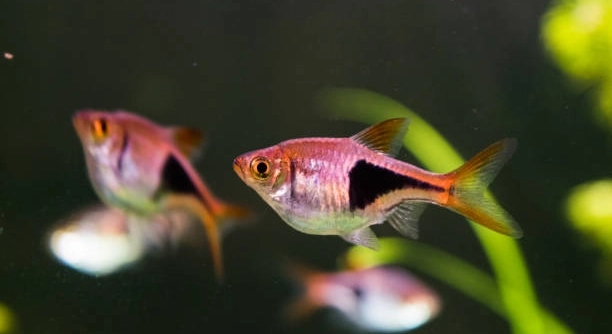
Rasboras are small, colorful fish that many enjoy keeping in aquariums. They often show behaviors and appearances that can be puzzling to even experienced hobbyists. Understanding these traits helps in caring for them better.
Rasboras can confuse owners due to their similar species appearances, subtle behavioral changes, and environmental reactions. These factors require careful observation and knowledge to distinguish normal from concerning signs effectively.
Recognizing these common points of confusion will improve how you care for your rasboras and enhance your aquarium experience.
Similar Species That Look Almost Identical
Rasboras come in many varieties, and some look very much alike. For example, the Harlequin Rasbora and the Lambchop Rasbora have similar shapes and colors, making it hard to tell them apart at first glance. Their size and patterns can vary slightly, but these differences may be subtle. Sometimes, new owners might think they have one species, while it is actually another. This mix-up can affect how you care for them since different species may have different needs. Learning to spot small differences, like fin shape or spot placement, helps you identify them correctly. Over time, watching them closely will make it easier to tell who is who in your tank. This attention to detail is important for maintaining a healthy aquarium environment.
Mistaking one species for another can lead to confusion about their behavior and care. Clear identification is key to proper maintenance.
Knowing the species correctly also helps in understanding their social needs. Some rasboras prefer larger groups, while others do better in smaller numbers. Feeding habits might differ slightly too. Identifying your fish ensures you can create the best environment for their health and happiness.
Changes in Behavior That Seem Strange
Rasboras can sometimes act differently without any obvious reason. They might suddenly hide more or stop eating for a while. These changes often happen because of stress, water quality, or temperature shifts. Even small changes in the tank, like rearranging decorations or adding new fish, can make them nervous. When they feel unsafe, their behavior can look unusual or confusing. Sometimes, they swim erratically or hover near the surface. Watching their actions carefully helps spot if something is wrong. Adjusting tank conditions or checking water parameters usually helps calm them down. Keeping the environment stable is important to avoid these confusing moments.
Stress affects rasbora behavior more than many owners realize.
Recognizing the signs of stress early can prevent illness. Rasboras need clean water with stable conditions to feel secure. Sudden changes in light or noise can also upset them. Providing hiding spots and keeping a consistent feeding schedule encourages normal behavior. If you notice odd actions, check water quality first. Regular tank maintenance reduces the chances of stress-related problems. Being patient and observing your fish daily helps you respond quickly to any issues. This care creates a peaceful space where your rasboras can thrive and behave naturally.
Color Changes That Can Be Misleading
Rasboras sometimes change color, which can worry their owners. This shift may happen due to mood, lighting, or water conditions.
Color changes often signal stress or illness. When water quality drops, their vibrant colors can fade or become blotchy. In contrast, when they feel comfortable and healthy, their colors brighten. Lighting plays a role too—different bulbs or natural light can alter how their hues appear. Seasonal changes might also cause slight color shifts. Watching these changes carefully helps you decide if action is needed to improve tank conditions or health.
Not all color changes are bad, though. During breeding, males often show brighter colors to attract females. This natural change is temporary and a sign of good health. Observing the pattern and context of color shifts prevents unnecessary worry and helps maintain their wellbeing.
Unclear Signs of Illness
When rasboras get sick, their symptoms can be hard to spot. They may hide more, lose appetite, or swim oddly, but these signs can also mean stress or poor water.
Illness symptoms often overlap with other causes like stress or tank changes. Common diseases like ich or fin rot start subtly, with small white spots or frayed fins. Early detection is vital to avoid serious health problems. Testing water and maintaining cleanliness can prevent many diseases. Quarantining new fish before adding them to the main tank reduces risks. Monitoring behavior closely makes it easier to notice illness early and seek treatment.
Understanding the difference between stress signs and illness helps avoid misdiagnosis. Prompt care improves recovery chances and keeps your rasboras healthy. Consistent tank upkeep and gentle observation are essential in spotting real health issues quickly.
Mistaking Normal Behavior for Problems
Rasboras sometimes dart quickly or rest at the bottom, which can seem worrying but is normal.
These actions may look like signs of illness but often are natural responses to their environment or play behavior.
Breeding Behavior That Looks Odd
During breeding, rasboras may chase each other or change color suddenly. Males often show brighter colors and become more active, which can be mistaken for aggression. These behaviors are part of courtship and should not be confused with stress or illness. Females may also hide or act shy while preparing to lay eggs. Understanding these patterns helps you avoid unnecessary concern and supports successful breeding in your tank.
Water Condition Sensitivity
Rasboras are sensitive to sudden changes in water quality.
What should I do if my rasbora suddenly changes color?
A sudden color change often signals stress or changes in the environment. Check water quality first—test for ammonia, nitrite, nitrate, and pH levels. Ensure the tank temperature is stable and appropriate for your rasbora species. Look for recent changes in lighting or decorations, as these can also affect their color. Sometimes, a color shift happens during breeding and is normal. If you spot other signs like loss of appetite or lethargy, consider isolating the fish and consulting treatment options.
Why does my rasbora hide more than usual?
Hiding can be a sign of stress, illness, or discomfort. It often happens after sudden changes in the tank, such as new fish introductions or water parameter shifts. Make sure the tank has enough hiding spots with plants or decorations to help them feel safe. If hiding continues, test water quality and observe other behaviors like appetite or swimming patterns. Prolonged hiding could indicate a health issue needing attention.
How many rasboras should I keep together?
Rasboras are schooling fish and feel safest in groups of at least six. Smaller groups may cause them to feel insecure, leading to stress or unusual behavior. Larger groups encourage natural swimming and social interactions, which improve their overall health and color. When selecting tank mates, choose peaceful species that won’t bully or compete aggressively with your rasboras.
Can rasboras live in a community tank?
Yes, rasboras generally do well in community tanks with other peaceful fish. Avoid aggressive or much larger species that might stress or prey on them. Good tank mates include small tetras, guppies, and Corydoras catfish. Always observe interactions closely, especially after introducing new fish, to ensure all species coexist peacefully.
What should I feed my rasbora?
Rasboras are omnivores and do well on a varied diet. High-quality flake or pellet food designed for small tropical fish works well. Supplement their diet with live or frozen foods like brine shrimp, daphnia, or bloodworms for added nutrition. Feeding small amounts two to three times daily keeps them healthy without overfeeding, which can pollute the tank.
How often should I change the water in my rasbora tank?
Regular water changes are essential to keep your rasboras healthy. Aim for changing 20-30% of the water every week. This helps maintain water quality and removes harmful substances. Always use a water conditioner to remove chlorine and chloramine from tap water before adding it to the tank. Avoid changing too much water at once to prevent stress.
What signs show my rasbora is sick?
Look for changes in behavior such as loss of appetite, lethargy, gasping at the surface, or clamped fins. Physical signs include white spots, redness, frayed fins, or unusual swelling. Early detection and treatment improve recovery chances. Keeping water clean and stable reduces the risk of common diseases.
How do I prevent diseases in my rasbora tank?
Maintain good water quality with regular changes and filtration. Avoid overcrowding and feed a balanced diet. Quarantine new fish before adding them to your main tank to prevent introducing diseases. Keep the tank clean by removing uneaten food and debris. Regular observation helps catch problems early.
Is it normal for rasboras to jump out of the tank?
Yes, rasboras can jump when startled or stressed. A tight-fitting lid or hood is important to keep them safe. Reducing sudden noises, bright lights, or rough handling lowers the chance of jumping. Providing plants and hiding places also helps them feel secure.
Can rasboras tolerate different water conditions?
While rasboras are somewhat adaptable, they prefer stable, soft, and slightly acidic to neutral water. Sudden changes in pH, hardness, or temperature can cause stress and illness. Keeping the water parameters consistent within their preferred range promotes good health and behavior. Regular monitoring is key.
Rasboras are charming fish that add life and color to any aquarium. However, they can sometimes confuse owners with their behaviors and appearances. Understanding why they act in certain ways or why their looks change helps create a better environment for them. Knowing how to spot normal behaviors versus signs of trouble is important for keeping your rasboras healthy. Taking the time to observe and learn their habits will make caring for them easier and more rewarding. It also reduces worry when you see something unexpected, as you’ll know if it’s typical or needs attention.
Many factors can cause confusion, from similar species that look alike to color changes and unusual behavior. Stress and water conditions play a big role in how rasboras behave. They might hide, lose color, or act differently when something in their environment is off. Recognizing these signs early allows you to make simple adjustments, like improving water quality or adding more hiding spots. These small changes can have a big impact on their wellbeing. Rasboras are sensitive but resilient fish, and with consistent care, they can thrive and show their natural beauty.
It’s also helpful to understand their social and breeding habits. Rasboras feel safer in groups and may behave oddly during breeding seasons. Knowing this helps avoid unnecessary worry when they chase each other or change colors. Feeding them a balanced diet and maintaining a stable tank environment supports their health and reduces confusing moments. Overall, paying attention to your rasboras and learning about their needs creates a peaceful aquarium where they can live happily. This makes the experience of keeping them enjoyable and fulfilling.

Hello,
If you enjoy the content that we create, please consider saying a "Thank You!" by leaving a tip.
Every little bit helps us continue crafting quality advice that supports the health, happiness, and well-being of pets around the world, for pets of all shapes, sizes, and species.
We really appreciate the kindness and support that you show us!