
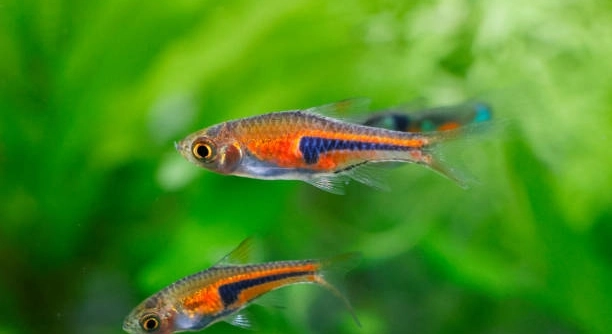
Groups of rasboras display a variety of behaviors that change depending on their social environment. These small fish often behave differently when they are alone versus when they are in groups. Understanding these changes can help improve their care and well-being in aquariums.
Rasbora behavior changes significantly in groups, showing altered swimming patterns, social interactions, and stress responses. These changes are influenced by group size, hierarchy, and environmental conditions, reflecting their natural schooling instincts and survival strategies.
Recognizing these behavior shifts provides valuable insight into how to create a healthier habitat for your rasboras and enhance their natural behaviors in captivity.
Changes in Swimming Patterns
Rasboras often change how they swim when in groups. Alone, they may swim slowly and explore cautiously. In groups, their swimming becomes more synchronized, moving as one unit. This schooling behavior helps protect them from predators. When in a group, they also swim faster and more confidently, as safety increases with numbers. These fish tend to stay closer to each other, reducing their exposure to threats. Group size affects how tight the school is; larger groups tend to form more compact formations. Their movement becomes more fluid, responding quickly to changes in the environment. This natural instinct is important to observe, especially in aquariums. Providing enough space and proper conditions helps them display this behavior. Watching these changes can be fascinating and rewarding, showing how much their behavior depends on social context.
Swimming patterns reveal important insights about rasbora well-being and stress levels.
Understanding these shifts can guide better tank setups, improving overall fish health and comfort.
Social Interactions and Hierarchy
In groups, rasboras establish social hierarchies. Dominant fish may show subtle signs, such as positioning themselves at the front or chasing others gently. These interactions help maintain order and reduce conflict. Social hierarchy also influences feeding and resting patterns. Lower-ranked fish may wait for their turn to eat or find safer spots to rest. Hierarchies are usually stable but can change with new members or stress. Group dynamics impact overall behavior, including aggression and cooperation. Watching these interactions helps in recognizing stress or imbalance within the group. Proper tank size and environmental enrichment support healthy social behavior. These factors contribute to the well-being and natural expression of rasboras in captivity. Understanding and respecting their social needs leads to a more peaceful and thriving aquarium.
Stress Responses in Groups
Rasboras tend to feel safer in groups, which lowers their stress levels. Alone, they may hide or freeze more often.
When grouped, their stress responses decrease due to the safety found in numbers. This reduces erratic swimming or hiding behaviors often seen in solitary fish. A well-sized group creates a stable social environment, which helps maintain calmer fish. Stress can be triggered by sudden changes in tank conditions or aggressive tank mates, but a group often buffers these effects. This natural tendency helps them adapt and survive in their environment, making group living essential for their health. Recognizing signs of stress is important to ensure they remain comfortable.
Grouping rasboras carefully helps reduce stress, improving their overall health and behavior.
Feeding Behavior Changes
Feeding behavior shifts noticeably when rasboras are in groups. Competition can increase, but it also encourages active feeding.
In groups, rasboras tend to be more competitive, quickly moving to secure food. This competition can lead to more aggressive or faster feeding but also ensures that the fish remain active and alert. Lower-ranking individuals might take advantage of feeding times by staying close to dominant fish to snatch leftovers. Group feeding often results in a more natural behavior pattern compared to isolated fish, who may hesitate or feed irregularly. Monitoring their feeding habits in groups is important to prevent bullying and ensure all fish get enough food. Feeding strategies like scattering food or multiple feeding spots help maintain balance and reduce aggression during meal times.
Resting Behavior Variations
Rasboras rest more comfortably in groups, often finding safe spots together. Alone, they may hide more frequently to feel secure.
Group resting reduces vulnerability and allows them to relax without constant alertness. This behavior is a sign of trust within the group.
Communication Through Movement
Rasboras use subtle body movements to communicate in groups. These signals help maintain group cohesion and social order.
Swimming speed changes, fin displays, and body orientation all serve as communication methods. These non-verbal cues allow them to warn of danger or establish dominance without conflict.
Response to Environmental Changes
Groups of rasboras adapt better to changes like water shifts or lighting. Their collective behavior helps reduce individual stress during adjustments.
Aggression Levels in Groups
Aggression tends to be lower in stable groups. Strong social bonds limit conflict and support peaceful coexistence.
How many rasboras should be kept together?
Rasboras are schooling fish and feel safest in groups of six or more. Smaller groups may cause stress and odd behavior. A group of at least six helps them display natural swimming and social patterns. Larger groups promote more stable hierarchies and reduce aggression. Keeping too few can lead to hiding, lethargy, or increased stress responses. It is important to provide enough space for the group to move freely. Overcrowding, however, can cause other issues like poor water quality. Aim for balance: enough fish to form a healthy school but enough room for comfort.
Why do rasboras swim closer together in groups?
Swimming tightly together is a natural defense mechanism. This schooling behavior helps protect them from predators by confusing attackers and making it harder to isolate an individual. It also improves their ability to find food and navigate their environment. When rasboras swim close, they synchronize their movements, which improves group coordination. This behavior reflects their wild instincts and helps them feel secure. In captivity, this closeness shows they are comfortable and well-adjusted.
What causes aggression in rasbora groups?
Aggression in rasbora groups usually comes from stress or overcrowding. If the tank is too small or lacks hiding places, dominant fish may chase or nip weaker ones. Poor water conditions or sudden changes in the environment can increase tension. Introducing new fish improperly or mixing incompatible species may also cause conflict. Maintaining a stable environment with enough space and hiding spots reduces aggression. Feeding competition can trigger temporary aggression, but spreading food and observing feeding behavior helps minimize problems.
How do rasboras communicate in groups?
Rasboras use body language to communicate within groups. Changes in swimming speed, direction, and fin displays are signals that help maintain social order. For example, quick darting or sudden stops can warn of danger. Gentle chasing or nudging may establish hierarchy without causing harm. These subtle cues allow the group to coordinate movements and reduce conflict. Communication helps rasboras stay synchronized and respond quickly to threats.
Do rasboras change color in groups?
Yes, rasboras can show subtle color changes when in groups. They often appear brighter and more vibrant due to reduced stress and increased social stimulation. Color changes may also indicate dominance or readiness to mate. Stress or illness can dull their colors, so healthy group interactions usually bring out their best appearance. Observing color changes can help monitor their well-being.
How does group size affect rasbora feeding behavior?
In larger groups, feeding becomes more competitive but also more active. Rasboras rush to secure food quickly, which can improve their overall alertness. However, smaller or weaker fish may struggle to get enough food if feeding is uneven. Providing multiple feeding spots or spreading food helps reduce competition and ensures all fish eat properly. Group feeding encourages natural behaviors but requires careful management to prevent aggression.
Can rasboras get stressed in groups?
While rasboras generally experience less stress in groups, certain conditions can increase stress levels. Overcrowding, poor water quality, or aggressive tank mates can cause tension. Sudden changes in light, temperature, or tank setup may also affect them. Stress often shows through hiding, loss of appetite, or erratic swimming. Keeping a balanced group size, stable environment, and clean tank helps minimize stress and supports their natural social behavior.
What should I do if one rasbora is being bullied?
If bullying occurs, first check the tank size and conditions. Increasing space or adding plants and hiding spots can help reduce aggression. Separating the bullied fish temporarily may be necessary if aggression is severe. Observe feeding times to ensure all fish get enough food. Sometimes, adding more rasboras can diffuse aggression by balancing social dynamics. Maintaining a calm, stable environment reduces bullying and supports peaceful group interactions.
Final Thoughts
Understanding how rasbora behavior changes in groups is important for anyone keeping these fish. Their social nature means they rely on being part of a group to feel safe and act naturally. Changes in swimming patterns, feeding habits, and stress responses all show how much group dynamics influence their daily lives. Recognizing these behaviors helps in creating an environment that supports their well-being. When kept in appropriate group sizes and conditions, rasboras display more natural and healthy behaviors, which benefits both the fish and the aquarium owner.
Providing a proper habitat is key to supporting group behavior. This includes giving them enough space to swim freely and enough hiding spots to reduce stress. Feeding practices should encourage natural competition but avoid aggression, such as by spreading food evenly throughout the tank. Keeping water conditions stable and avoiding overcrowding also helps maintain harmony within the group. Paying attention to how rasboras interact and behave can signal if changes are needed to improve their care. The more closely their environment matches their natural conditions, the better their health and behavior will be.
Overall, observing rasbora behavior in groups gives insight into their needs and how they adapt socially. Their natural schooling instinct is not just a quirk but a vital part of how they survive and thrive. By respecting their social nature and creating an environment that encourages healthy group dynamics, you support their long-term health and happiness. Caring for rasboras with an understanding of these group behavior changes leads to a more balanced and peaceful aquarium experience.

Hello,
If you enjoy the content that we create, please consider saying a "Thank You!" by leaving a tip.
Every little bit helps us continue crafting quality advice that supports the health, happiness, and well-being of pets around the world, for pets of all shapes, sizes, and species.
We really appreciate the kindness and support that you show us!