
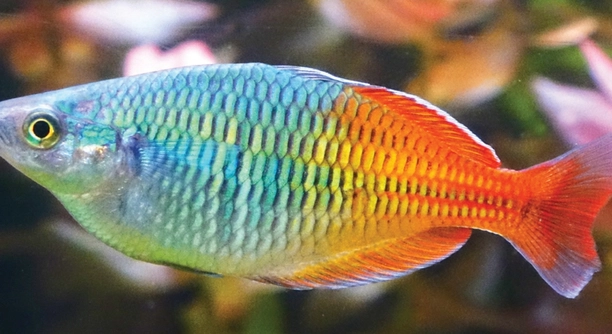
Rainbow fish are vibrant, lively creatures, often captivating those who keep them in home aquariums. However, there are times when they might not eat as expected. Understanding these behaviors can help ensure their health and well-being.
Rainbow fish may avoid eating due to various factors, including water quality issues, stress, environmental changes, or illness. Lack of food variety or an overly competitive feeding environment may also contribute to their reduced appetite.
There are many reasons why your rainbow fish might not be eating. Understanding these factors can lead to a healthier and happier fish in your aquarium. The following will help explain why these creatures sometimes avoid food.
Water Quality Issues
One of the main reasons rainbow fish might avoid eating is poor water quality. Fish are highly sensitive to changes in their environment, and poor water conditions can make them uncomfortable. High levels of ammonia, nitrites, or nitrates can create an unhealthy tank environment, leading to stress or illness. It’s important to regularly test water parameters, such as pH, hardness, and temperature, to ensure they remain within the appropriate range. Dirty water can also lead to skin irritation or respiratory issues, which can make the fish lose their appetite.
Water quality can directly affect fish behavior, so regular water changes and proper filtration are essential. Keeping the tank clean and maintaining stable conditions will help reduce stress and encourage eating.
To maintain optimal water quality, aim to test your tank water weekly. Regular maintenance, such as removing debris and changing a portion of the water, will prevent issues from developing. Proper filtration can help ensure the water stays clean and your fish remain healthy.
Stress and Overcrowding
Stress can also lead to a rainbow fish avoiding food. One major cause of stress is overcrowding, where there isn’t enough space for the fish to feel safe. When too many fish are placed in a tank, it leads to competition for food and territory, causing anxiety. In some cases, other aggressive fish might even chase or bully the rainbow fish, adding to the stress. When stressed, rainbow fish may stop eating and display signs of discomfort.
Keeping your tank properly stocked with the right number of fish is crucial. A general rule is to have no more than one inch of fish per gallon of water. This helps prevent overcrowding, reduces stress, and provides a more peaceful environment for your rainbow fish. It’s also important to ensure that the fish have plenty of hiding spots and plants to retreat to when they feel threatened.
When setting up a new tank, consider adding just a few fish at a time to allow the ecosystem to adjust. Keep an eye on fish behavior to ensure no one feels overcrowded or stressed.
Illness and Injury
Illness or injury is another reason your rainbow fish might avoid eating. When fish are unwell, they often lose their appetite and appear lethargic. Common issues like parasites, bacterial infections, or fin rot can affect a fish’s ability to feed. If your fish shows other signs, such as unusual swimming patterns or visible wounds, it’s time to act.
It’s essential to monitor your fish for any changes in behavior, such as a lack of movement or hiding. If the fish are sluggish and not interested in food, they could be dealing with a health problem. In these cases, treatment is necessary to address the issue and get the fish back to normal.
A proper diagnosis is vital. You may need to consult a vet specializing in fish health or use medication suitable for the specific illness. Correcting water quality issues can also help the healing process, as poor water conditions can exacerbate the illness or injury.
Overfeeding and Food Type
Overfeeding is a common problem that can cause rainbow fish to avoid eating. When too much food is offered, the fish may become overwhelmed or lose interest in eating altogether. Uneaten food can also lead to poor water quality, which can make the fish less likely to feed.
Feeding rainbow fish in moderation is key. They only need small portions of food once or twice a day. Try offering a variety of foods to stimulate their appetite. For example, switch between pellets, flakes, and live foods to keep them interested and satisfied. However, it’s important not to overdo it and ensure the tank remains clean.
Feeding them at the same time each day can help establish a routine. If the fish still seem disinterested, you might want to observe the type of food being offered. Some fish are more selective than others, so experimenting with different foods might help spark their appetite.
Environmental Changes
Rainbow fish may stop eating if there are sudden environmental changes in the tank. This can include fluctuations in temperature, water pH, or even lighting. These changes can cause stress, and when fish are stressed, their appetite decreases. Maintaining a stable environment is crucial.
If you recently moved the tank or changed its setup, it could be the reason behind their lack of interest in food. Ensure that the water temperature stays between 72-78°F and that the pH levels are balanced for your specific rainbow fish species. Avoid sudden changes, as these can lead to discomfort.
Monitoring the water temperature and ensuring consistency can help prevent appetite loss. If you need to adjust the tank’s environment, do so gradually to allow the fish to adapt. Changes in lighting should also be made slowly, as it can affect their sleep patterns and overall behavior.
Tank Mates and Compatibility
Aggressive tank mates can affect rainbow fish’s eating habits. When placed with more territorial or aggressive fish, rainbow fish may feel threatened and avoid eating. It’s important to select tank mates that are peaceful and won’t intimidate or stress your rainbow fish.
Certain species may also fight for food, preventing the rainbow fish from getting its share. Choosing fish that are compatible in terms of temperament and size will reduce competition and stress. Ensuring a calm and friendly tank environment encourages rainbow fish to feel safe enough to eat properly.
FAQ
Why is my rainbow fish hiding and not eating?
Rainbow fish may hide and refuse to eat due to stress or illness. Factors such as poor water quality, aggressive tank mates, or changes in the environment can cause them to seek shelter and avoid feeding. Make sure the water conditions are ideal, and check for signs of injury or illness. If no obvious issues are present, ensure there is enough space and hiding spots for the fish to feel safe.
How long can a rainbow fish go without eating?
Rainbow fish can typically survive for about a week without food, but this depends on their overall health and the tank conditions. If they’re refusing food, it’s important to figure out the underlying cause. Short-term fasting isn’t harmful in healthy fish, but extended periods without eating can weaken them.
Can water temperature affect my rainbow fish’s eating habits?
Yes, water temperature plays a significant role in a rainbow fish’s feeding behavior. If the temperature fluctuates outside the recommended range of 72-78°F (22-25°C), it can cause the fish to become stressed or lethargic, leading to loss of appetite. Keeping the water temperature stable is crucial for their well-being.
What should I do if my rainbow fish isn’t eating?
First, check the water quality and ensure the tank environment is stable. Test the pH, temperature, and ammonia levels. If everything is fine, check for signs of illness or injury. You might need to adjust the food offered or reduce feeding stress by keeping the tank peaceful. If the problem persists, consult a specialist.
Is it normal for rainbow fish to stop eating after a water change?
Yes, it’s common for fish to stop eating temporarily after a water change due to the disruption in their environment. The sudden change in water conditions can stress them out, affecting their feeding behavior. Allow the fish some time to adjust before attempting to feed them again.
How do I know if my rainbow fish is stressed?
Stressed rainbow fish may exhibit certain signs such as hiding, darting around the tank, or not eating. They may also show unusual swimming patterns or aggression toward other fish. Check the water quality, ensure there are enough hiding spots, and look for any aggressive tank mates that could be causing stress.
Can overfeeding cause rainbow fish to stop eating?
Overfeeding can lead to uneaten food accumulating in the tank, which degrades water quality and stresses the fish. It can also cause them to lose interest in food due to being overwhelmed. Feed rainbow fish only as much as they can consume in a few minutes to avoid this issue.
Do rainbow fish need a specific type of food?
Rainbow fish do not have strict dietary requirements, but they prefer a varied diet. They will generally eat flakes, pellets, and live foods such as brine shrimp or daphnia. Offering a balanced diet with a variety of options helps keep them engaged and encourages healthy eating habits.
What other fish can I keep with rainbow fish?
Rainbow fish are peaceful and do well with other non-aggressive species. They can be kept with other peaceful community fish such as tetras, guppies, or catfish. Avoid keeping them with aggressive or territorial fish, as they may become stressed and stop eating.
Could my rainbow fish be sick? How can I tell?
Sick rainbow fish may exhibit signs such as abnormal swimming, fading colors, or a lack of appetite. They may also show external symptoms like lesions, swollen areas, or clamped fins. If you notice any of these signs, examine the water quality and consider consulting a veterinarian who specializes in fish.
Should I remove a sick rainbow fish from the tank?
If you suspect one of your rainbow fish is sick, it’s a good idea to isolate it in a quarantine tank. This will prevent the potential spread of disease to the other fish in the tank. Make sure the water in the quarantine tank is pristine and monitor the sick fish closely for any changes.
How can I reduce aggression in my rainbow fish tank?
Rainbow fish are peaceful, but aggression can still occur, especially if tank mates are territorial or overly active. To reduce aggression, ensure that the tank has plenty of space and hiding spots. Adding more plants or decorations can help create territories and reduce conflicts.
Can rainbow fish live alone?
Rainbow fish are social and do best when kept in small groups of at least three or more. Keeping them alone can cause stress and reduce their quality of life. A group setting helps them feel secure, and they’re more likely to eat and display natural behaviors.
What is the ideal tank size for rainbow fish?
Rainbow fish require space to swim and feel comfortable. A tank size of at least 20 gallons is recommended for a small group of rainbow fish. Larger groups or species with larger sizes will need even more space to thrive. Ensure the tank has ample swimming room and hiding places.
Can I add live plants to the rainbow fish tank?
Yes, live plants are a great addition to a rainbow fish tank. They provide hiding spots and help maintain water quality by absorbing excess nutrients. Rainbow fish enjoy swimming around plants, and the plants help create a natural, comfortable environment. Just ensure the plants are safe for the fish.
Why do rainbow fish lose their color?
Rainbow fish may lose some of their color due to stress, poor water quality, or illness. Stress from overcrowding, tank mates, or sudden changes in the environment can cause the fish to appear dull. Proper tank maintenance and addressing the cause of stress will help restore their vibrancy.
Can rainbow fish be kept with shrimp or snails?
Rainbow fish generally do well with peaceful tank mates like shrimp or snails. They may not actively target shrimp, but it’s important to monitor them, especially if the shrimp are small. Snails are typically safe and can help keep the tank clean. Just make sure the tank is large enough for everyone.
Final Thoughts
Understanding why rainbow fish might avoid eating is crucial to ensuring their health and happiness. There are many factors that can affect their appetite, including water quality, tank mates, and even the type of food provided. By paying attention to these aspects, you can create a more comfortable and safe environment for your fish. Keeping an eye on their behavior and the conditions of the tank will help you quickly identify when something is off, allowing you to address it before it becomes a bigger issue. It’s always important to provide stable and consistent care, as this helps rainbow fish feel more secure and encourages them to eat regularly.
Taking the time to observe your fish can reveal a lot about their health and well-being. Whether it’s adjusting the water temperature, changing the type of food you offer, or ensuring that there’s enough space for them to thrive, small changes can make a big difference in their eating habits. If you notice your rainbow fish becoming less active or refusing food, it’s often a sign that something is out of balance. It could be an issue with water conditions, stress from aggressive tank mates, or even a potential illness. In such cases, acting quickly and making necessary adjustments will help restore normal eating behavior and prevent further complications.
Maintaining a healthy tank environment and monitoring your rainbow fish’s behavior are key to keeping them well-fed and happy. Don’t forget that they thrive in a peaceful, well-maintained tank with a variety of food options. By giving them the care they need, you can ensure they stay healthy and active, bringing color and life to your aquarium. With proper attention to their needs, your rainbow fish will be more likely to eat regularly and live a long, happy life in your tank.

Hello,
If you enjoy the content that we create, please consider saying a "Thank You!" by leaving a tip.
Every little bit helps us continue crafting quality advice that supports the health, happiness, and well-being of pets around the world, for pets of all shapes, sizes, and species.
We really appreciate the kindness and support that you show us!