
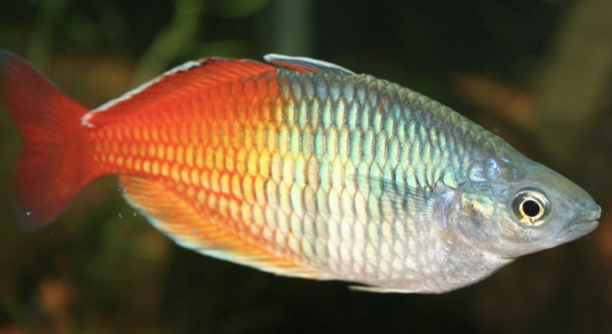
Have you ever watched your rainbow fish and thought something seemed off, only to realize it might be a simple misunderstanding?
Rainbow fish behavior often gets misread due to their subtle body language and natural responses to environmental changes. Erratic swimming, hiding, or color shifts can seem alarming but are usually normal behaviors linked to mood, health, or tank conditions.
Recognizing the difference between normal actions and real problems can help your fish live a more peaceful and healthy life.
They’re Just Exploring, Not Panicking
Rainbow fish sometimes dart across the tank quickly, which can look like panic or fear. In most cases, they’re just reacting to a sudden movement or testing their surroundings. This behavior is often mistaken for stress, especially by new fish keepers. Quick, jerky movements may seem alarming, but rainbow fish are naturally fast swimmers and curious by nature. They enjoy checking out new tank decorations or swimming through open areas at speed. As long as the water parameters are stable and no signs of illness are present, this activity is normal. It helps to observe patterns—if they return to calm swimming shortly after, there’s usually nothing to worry about. Give them space, keep the tank environment steady, and avoid tapping the glass. These little things help your fish feel secure while doing their usual exploring.
It’s normal to feel concerned, but this fast swimming often means they’re just active and comfortable in their tank.
If the quick swimming becomes constant and is paired with other signs like faded color or gasping, then you may want to reassess their environment. But in general, occasional bursts of speed are simply part of who rainbow fish are. It’s one of their natural ways of interacting with the space around them.
They’re Displaying, Not Fighting
Rainbow fish flaring their fins or chasing one another may seem like aggression, but it’s often a display behavior.
These displays usually happen between males trying to establish social standing or attract attention from females. It’s a way to show strength without actual harm. Fin flaring, tight circles, and brief chasing are common, especially in well-lit tanks with ample space. As long as there’s no fin damage or prolonged hiding from other fish, this is considered healthy behavior. In fact, these interactions can indicate that the fish feel comfortable in their environment. Problems arise when tanks are too small, have poor decor arrangement, or don’t offer hiding spots. Overcrowding is another reason display behavior may escalate. Watching closely helps—gentle displays are fine, but if one fish becomes targeted or stressed, it may be time to separate them. Providing plants, decorations, and enough room keeps things calm while still allowing natural interactions.
They’re Resting, Not Sick
It’s easy to mistake stillness for illness, especially if your rainbow fish is hanging near the bottom or staying in one spot. However, they sometimes pause simply to rest or save energy.
Rainbow fish don’t swim constantly. They take short breaks, especially after eating or during low activity periods in the tank. If your fish is resting but still alert—with fins slightly moving and good color—it’s usually not a sign of sickness. Watch for other clues like appetite, swimming balance, or sudden hiding. If those remain normal, there’s no reason to worry. Providing a calm environment and a consistent light-dark cycle helps them maintain a healthy routine. You might notice them floating in place or sitting near plants. This is their way of conserving energy and staying comfortable. As long as their body isn’t clamped and they respond to movement, resting is a natural part of their behavior.
Sometimes they just need quiet moments, like we all do. Rainbow fish enjoy occasional stillness, especially in peaceful tanks with plenty of cover. These breaks can happen more often in mature adults or after active swimming. Observing your fish over time helps you recognize their normal rhythms. It also makes it easier to spot real changes when something is wrong.
They’re Hungry, Not Aggressive
Chasing can sometimes seem aggressive, but it often happens right before feeding. Rainbow fish become more active and competitive when they’re hungry, especially in tanks with fast eaters or floating food.
In many cases, they’re trying to get the best position before food drops in. This can look like bullying, but it’s really just food-driven energy. You’ll notice they quickly settle down once feeding is done. Spreading the food out, using sinking pellets, or feeding in multiple areas can help reduce this behavior. If a rainbow fish is always acting out during feeding, try offering more structured meals or varying the diet to include slower-sinking options. Tankmates also matter—pairing them with fish that match their speed and appetite makes things smoother. As long as fins aren’t getting torn and no one is hiding constantly, pre-meal chasing is more about food than dominance.
They’re Adjusting, Not Hiding
Rainbow fish may hide behind plants or decorations when introduced to a new tank. This isn’t a sign of fear or sickness—just part of adjusting. New environments take time, and they need quiet space to feel safe.
Give them a few days. If the water parameters are right and the tank is peaceful, they’ll start coming out more often. Adding plants and driftwood helps them feel secure and settle in faster.
They’re Flashing, Not Infected
Flashing—when a rainbow fish rubs against objects—can look alarming, but it isn’t always a sign of parasites. Sometimes it’s due to a minor irritation like a change in water chemistry, temporary debris, or stress from a water change. If it only happens occasionally and there are no other signs of illness like clamped fins, faded color, or loss of appetite, there’s no need for treatment. Check ammonia, pH, and nitrite levels, and make sure the filter is running properly. Regular maintenance and observation are the best ways to keep flashing from turning into something more serious.
They’re Pairing, Not Isolating
Sometimes one rainbow fish may break off from the group and swim closely with just one other. This often means they’re pairing up, not isolating themselves from the rest. It’s a natural part of their social bonding.
FAQ
Why is my rainbow fish’s color fading?
Color fading in rainbow fish can happen due to several reasons, including stress, poor water conditions, or insufficient diet. Stress factors like overcrowding, aggressive tankmates, or sudden changes in water temperature can cause them to lose their vibrancy. Also, rainbow fish need a varied diet that includes color-enhancing food, such as those with added carotenoids. If the water parameters—pH, temperature, and ammonia levels—are off, it can also affect their colors. Regular water changes, a balanced diet, and a calm environment can help restore their bright hues.
What does it mean if my rainbow fish is always hiding?
If your rainbow fish is constantly hiding, it could be due to a few factors. New tank setups or unfamiliar surroundings can cause them to seek shelter for security. Additionally, if the tank is too noisy, crowded, or has aggressive tankmates, the fish may stay hidden to avoid stress. Another reason could be health-related issues, like parasites or internal discomfort. Check your tank’s water quality and ensure it is peaceful with enough hiding spots to reduce stress. If the hiding persists, check for other signs of illness or discomfort, like lethargy or abnormal behavior.
How can I tell if my rainbow fish is sick?
Sick rainbow fish may show signs like abnormal swimming, loss of appetite, faded or dull colors, clamped fins, or frayed fins. If you notice any of these signs, it’s important to check your water parameters first, as poor water quality is often the main cause of illness. Next, examine the fish for external signs of disease like white spots, lesions, or abnormal growths. If symptoms persist, quarantine the affected fish and seek advice from a vet or aquarium expert to diagnose and treat any potential issues.
Why does my rainbow fish chase other fish?
Chasing can be normal, especially if the fish is establishing dominance or competing for food. Male rainbow fish, in particular, might chase each other during mating behavior, trying to get the attention of females. In some cases, it can also be territorial, particularly if there’s not enough space or hiding spots in the tank. If the chasing is mild and doesn’t result in injury or constant stress, it’s likely normal. However, if it leads to fin nipping or constant harassment, consider adding more hiding spots or adjusting the number of fish in the tank.
What can I do to stop my rainbow fish from jumping out of the tank?
Rainbow fish, like many species, can be jumpy if they feel threatened or startled. To prevent them from jumping, ensure your tank has a secure lid or cover to prevent escape. Check for sharp edges or places where they might try to squeeze through. It’s also essential to keep the water conditions stable, as stress from poor water quality or tankmates may encourage jumping behavior. If they seem particularly skittish, it could help to dim the lighting or avoid sudden movements near the tank.
Why is my rainbow fish swimming upside down?
Swimming upside down can indicate a swim bladder issue, which can be caused by a variety of factors such as overfeeding, constipation, or injury. If the fish is only occasionally swimming upside down but otherwise seems healthy, it could be a temporary issue. However, if it becomes frequent or accompanied by other symptoms like bloating or listlessness, it’s important to address it. Reducing the amount of food, feeding small meals, and ensuring a clean tank can help improve the condition. If the behavior persists, it might be time to consult an expert.
Are rainbow fish good with other species?
Yes, rainbow fish are generally peaceful and get along well with other species, especially those of similar size and temperament. They are schooling fish, so they prefer being in groups, which can reduce stress. Rainbow fish tend to do well in community tanks with other non-aggressive species like tetras, gouramis, or peaceful barbs. However, it’s best to avoid aggressive fish or those that might outcompete them for food. Always ensure that tankmates are compatible and there’s enough space for everyone.
How often should I feed my rainbow fish?
Rainbow fish should be fed small amounts two to three times per day. Overfeeding can lead to poor water quality, which can harm the fish. Offer a variety of foods, including flakes, pellets, frozen or live foods like brine shrimp or daphnia, and color-enhancing foods to ensure they receive all the necessary nutrients. Keep in mind that rainbow fish are active swimmers and need a diet that supports their energy levels. Remove uneaten food promptly to prevent it from degrading water quality.
Why do rainbow fish swim in circles?
Swimming in circles can sometimes be a sign of boredom or insufficient tank space. Rainbow fish are active swimmers and need plenty of room to move around. If they are confined to a small space, they may begin swimming in repetitive patterns. This behavior can also occur if they feel stressed, or the water quality is poor. Adding more plants, decorations, or increasing the size of the tank can help them feel more comfortable. It’s also worth checking their tankmates—aggressive or dominant fish can lead to stress-induced behaviors.
Can rainbow fish live with shrimp?
Rainbow fish can live with shrimp, but it depends on the species. Smaller shrimp like cherry shrimp or ghost shrimp may be safe, but larger rainbow fish could see them as food, especially during molting. If you’re keeping both, it’s important to provide plenty of hiding places for the shrimp. This gives them a chance to escape if they’re in danger. In general, if the rainbow fish are well-fed and the shrimp have enough space and cover, they can coexist peacefully. However, keep an eye on interactions, especially during feeding time.
Final Thoughts
Rainbow fish are fascinating creatures with a variety of behaviors that can easily be misread by aquarium owners. Understanding these behaviors helps create a healthier and more stable environment for them. From their social interactions to their need for space, each behavior serves a purpose, whether it’s related to feeding, mating, or adjusting to a new tank. By learning the true meaning behind their actions, you can prevent unnecessary stress for both the fish and yourself.
It’s essential to monitor the water quality and tank conditions regularly to keep your rainbow fish healthy. Stress from poor water parameters, inadequate space, or incompatible tankmates can lead to behaviors that may appear abnormal. While some actions like hiding or flashing might seem alarming, they are often just natural responses to their environment. By ensuring their needs are met, rainbow fish can thrive in a peaceful, well-maintained tank. Pay attention to their social dynamics as well, as they prefer living in groups and can feel vulnerable or stressed without company.
In the end, patience is key. Allow your rainbow fish time to adjust to any changes, whether it’s a new tank or different tankmates. Be observant and proactive in addressing any potential issues before they escalate. Once you understand their true behavior and needs, you’ll be better equipped to enjoy their vibrant, active presence in your aquarium.

Hello,
If you enjoy the content that we create, please consider saying a "Thank You!" by leaving a tip.
Every little bit helps us continue crafting quality advice that supports the health, happiness, and well-being of pets around the world, for pets of all shapes, sizes, and species.
We really appreciate the kindness and support that you show us!