
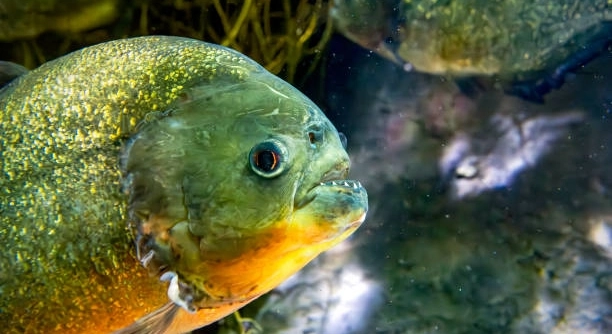
Piranhas are often seen as fierce fish that fight aggressively. However, they do not always choose to attack when threatened. Sometimes, they prefer to hide quietly to avoid danger or conserve energy.
Piranhas hide instead of fight when faced with larger predators or unfavorable conditions. This behavior reduces risk and improves survival chances by avoiding unnecessary confrontation and energy expenditure. It is a strategic adaptation observed in various situations.
Understanding when and why piranhas choose to hide reveals important aspects of their behavior and survival. This article will explore seven notable instances of this unexpected tactic.
When Piranhas Hide to Avoid Larger Predators
Piranhas are known for their sharp teeth and aggressive nature, but they also have moments of caution. When larger predators like caimans or river dolphins are nearby, piranhas often avoid confrontation by hiding. This behavior helps them survive since fighting such large animals would be dangerous. Instead, they stay still among plants, rocks, or submerged logs where they are harder to see. Hiding is a defense tactic that reduces the risk of injury or death. It also helps the group stay together safely. Piranhas rely on quick bursts of speed, but when the threat is too big, staying out of sight is the best choice. This balance between aggression and caution is essential for their survival in their natural habitat.
Hiding from bigger animals keeps piranhas safe and helps maintain the balance in their ecosystem. It is a smart survival tactic.
Avoiding larger predators allows piranhas to preserve energy and reduces chances of injury. Their ability to adapt behavior based on threat level shows a complex survival strategy. This approach ensures the fish can remain in their environment without unnecessary loss, balancing aggression with caution effectively.
Times When Piranhas Hide from Each Other
Piranhas sometimes hide from other piranhas, especially during feeding or breeding. When food is scarce, dominant piranhas may chase others away, causing some to hide until it is safer to feed. During breeding, males guard their nests and can become aggressive, so others avoid the area to prevent fights. Hiding helps reduce competition and injury within the group.
In crowded environments, hiding also helps weaker or younger piranhas avoid conflicts. This behavior supports group survival by preventing excessive aggression. It creates a balance where dominant fish can protect resources while others wait their turn.
Social dynamics influence piranhas’ decisions to hide or fight. Avoiding unnecessary conflict reduces stress and injury. This behavior shows that piranhas have a social structure that promotes group survival. They balance competition with cooperation, which benefits the whole school in the long run.
Piranhas Hiding During Flood Seasons
Flood seasons cause major changes in piranha habitats. Rising waters force piranhas to find safe spots to avoid strong currents and larger predators that move into new areas. Hiding becomes essential to survive these harsh conditions.
During floods, piranhas retreat to dense vegetation or submerged tree roots where the water is calmer. This shelter protects them from being swept away and from predators taking advantage of the changed environment. The flood also scatters food sources, so hiding helps conserve energy while they wait for better conditions. Staying hidden reduces risk during unpredictable changes and helps the piranhas stay in groups for safety.
This seasonal behavior shows how piranhas adapt to natural challenges. It allows them to avoid danger and survive through difficult periods until the water levels return to normal. Their ability to hide during floods is a key survival strategy.
Piranhas Hiding While Resting
Piranhas need rest like all animals, and they often hide to do so safely. Resting in hidden spots helps them avoid predators and conserve energy for active periods.
When piranhas rest, they find secure places such as underwater crevices, dense plants, or deep pools. These locations provide cover and reduce their visibility. Resting in a hidden place minimizes the chance of being caught off guard by predators. It also helps maintain their strength for hunting or defending their territory later. This quiet time is crucial for their health and survival.
By hiding during rest, piranhas balance safety and energy needs. This behavior highlights their cautious side, which is less well-known compared to their aggressive reputation. Resting hidden allows them to recover and prepare for future challenges.
Piranhas Hiding to Avoid Human Threats
Human activity often disturbs piranha habitats. Piranhas respond by hiding to avoid boats, fishing, and pollution. This reduces their exposure to danger.
They seek refuge in dense vegetation or deeper waters. Hiding helps them stay out of sight from humans, preserving their safety and natural behavior.
Piranhas Concealing Themselves During Mating Season
During mating season, piranhas often hide to protect their nests and offspring. Males guard eggs carefully, remaining hidden to avoid drawing attention from predators. Females also seek shelter while laying eggs. This concealment increases survival chances of the young by preventing attacks and disturbances. The careful protection of nests highlights the importance of hiding in their reproductive success.
Piranhas Hiding When Injured
When injured, piranhas hide to recover safely. This behavior helps avoid predators and allows healing in a secure environment.
Why do piranhas sometimes hide instead of fight?
Piranhas hide to avoid unnecessary risks when facing larger predators or unfavorable situations. Fighting can cause injury or death, so hiding is a safer way to survive. This behavior conserves energy and reduces chances of harm. It is a natural survival tactic that balances aggression with caution.
Are piranhas aggressive all the time?
No, piranhas are not always aggressive. While they have a fierce reputation, they often show cautious behavior like hiding or fleeing when threats are too big. Aggression usually happens over food or during breeding, but they prefer to avoid conflict when possible.
Do piranhas hide from each other?
Yes, piranhas sometimes hide from other piranhas, especially during feeding or breeding seasons. Dominant individuals may chase others away, causing less dominant fish to seek shelter. This reduces injury risk and competition within the group, maintaining social balance.
How do flood seasons affect piranha behavior?
Floods change the piranhas’ environment drastically, increasing water levels and currents. Piranhas hide in calmer areas like dense plants or submerged roots to avoid being swept away and to stay safe from predators that appear during floods. Hiding during floods helps conserve energy and survive until conditions improve.
Where do piranhas rest safely?
Piranhas rest in hidden places such as underwater crevices, dense vegetation, or deeper pools. These spots offer cover from predators and help them conserve energy. Resting hidden reduces vulnerability and allows piranhas to recover strength for hunting or defending territory.
How do human activities impact piranhas?
Human activity like boating, fishing, and pollution disturbs piranha habitats. In response, piranhas hide in dense vegetation or deeper waters to avoid threats. This behavior helps protect them from harm and preserves their natural patterns despite environmental changes.
What happens during piranha mating season?
During mating, piranhas hide to protect nests and offspring. Males guard eggs carefully and remain concealed to avoid attracting predators. Females also seek shelter while laying eggs. This hiding increases survival chances for the young by preventing disturbances or attacks.
Do injured piranhas hide?
Yes, injured piranhas hide to recover in safe environments. This reduces their risk of being attacked by predators while healing. Hiding allows them time and safety to regain strength before returning to normal activities.
Piranhas are often seen as aggressive and dangerous fish, but their behavior is more complex than just fighting. Throughout various situations, they sometimes choose to hide instead of confront threats. This choice to hide helps them survive in an environment full of dangers, from larger predators to harsh seasonal changes. Understanding this behavior provides a clearer picture of how piranhas balance aggression with caution to maintain their safety and well-being.
Hiding serves many purposes for piranhas beyond just avoiding danger. It helps them conserve energy when food is scarce or conditions are difficult. During floods, resting periods, or mating season, hiding becomes a vital strategy that supports their survival and reproduction. Even within their own groups, piranhas use hiding to reduce conflicts and protect weaker or injured members. This shows that their social structure includes moments of restraint and cooperation, which is essential for their long-term success as a species.
Recognizing when and why piranhas hide allows a better appreciation of their behavior in natural habitats. It reveals that their survival depends not only on aggression but also on smart decisions to avoid unnecessary risks. These survival tactics reflect a balance between defense and offense that helps them thrive in challenging environments. Learning about these aspects deepens understanding of piranhas beyond common stereotypes and highlights the importance of behavioral adaptation in wildlife.

Hello,
If you enjoy the content that we create, please consider saying a "Thank You!" by leaving a tip.
Every little bit helps us continue crafting quality advice that supports the health, happiness, and well-being of pets around the world, for pets of all shapes, sizes, and species.
We really appreciate the kindness and support that you show us!