
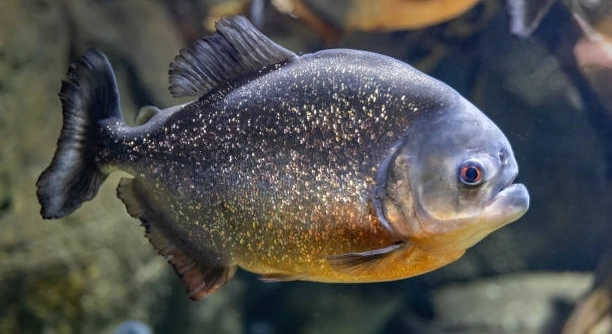
Piranhas are often known for their fierce reputation and quick attacks. However, there are moments when these fish choose not to act aggressively. Their silence in such situations reveals different behaviors than commonly expected.
Piranhas sometimes choose silence over action due to environmental factors, threat assessment, or energy conservation. This behavior allows them to avoid unnecessary conflict and focus on survival, demonstrating adaptability rather than constant aggression.
Understanding these moments of silence offers insight into piranha behavior beyond their common portrayal. It reveals a more complex and strategic side to these aquatic creatures.
When Piranhas Stay Still in Groups
Piranhas often gather in schools to increase their safety and hunting efficiency. However, there are times when these groups remain motionless instead of attacking. This stillness can happen when there is no immediate threat or prey nearby. By conserving energy, the fish avoid unnecessary risk and fatigue. Remaining silent also helps them avoid attracting larger predators. In calmer waters, piranhas may appear inactive, but they are constantly monitoring their surroundings. This behavior shows a level of patience and control that contrasts with their aggressive reputation. It is a survival tactic shaped by the need to balance energy use with safety.
This quiet group behavior helps piranhas survive long periods without food and reduces the chance of injury.
Watching piranhas stay still together highlights their social strategy. It is a way to protect the group without wasting effort. Their silence also signals that not all moments call for action, showing a natural balance in their behavior.
When Piranhas Ignore a Threat
Piranhas do not always respond aggressively to potential dangers. Sometimes they assess the size and type of threat before deciding to stay quiet. If a predator seems too large or not worth the fight, piranhas often choose to avoid confrontation. This cautious approach helps prevent injury and preserves the group’s strength for future challenges. Silence can be a form of defense, signaling to predators that they are not worth the effort or that the risk of attack is too high. This behavior reflects a more thoughtful and measured response than simply attacking at every sign of danger.
When Piranhas Avoid Small Movements
Piranhas often ignore minor disturbances in the water. Small ripples or distant sounds do not always trigger their aggression.
This behavior is a way to conserve energy and avoid unnecessary stress. Reacting to every small movement would waste valuable resources and expose them to predators. Piranhas evaluate the significance of the disturbance before deciding whether to act. If the movement does not suggest food or danger, they remain silent and still. This selective response shows a level of control not usually associated with these fish.
By ignoring insignificant motions, piranhas focus their attention on real threats or opportunities. This selective silence helps them maintain balance in their environment and improves their chances of survival by avoiding needless conflicts.
When Piranhas Show No Reaction to Humans
Piranhas sometimes do not react to humans swimming nearby. They often assess that humans are too large or not prey.
When piranhas detect no immediate threat or food source from humans, they choose to stay quiet. This lack of reaction prevents wasteful energy use and reduces the risk of drawing attention from larger predators. They rely on their instincts to determine when an encounter requires action. In many cases, ignoring humans is the safest and smartest option. This shows a practical approach to threats that goes beyond simple aggression, highlighting their ability to adapt and survive in varied conditions.
When Piranhas Pause Before Attacking
Piranhas often hesitate before striking. This pause allows them to assess the situation carefully.
This brief silence helps prevent wasted energy and reduces the chance of mistakes during a hunt. It shows a controlled approach to aggression rather than impulsive attacks.
When Piranhas Avoid Conflicts With Larger Fish
Piranhas avoid fights with bigger fish to prevent injury. They choose silence to stay safe and conserve energy. This behavior reflects their survival instinct, favoring caution over unnecessary confrontation. It allows piranhas to live longer and stay strong within their environment.
When Piranhas Stay Quiet in Murky Waters
In murky water, piranhas often remain still and silent. Reduced visibility means they rely more on senses other than sight, so they conserve energy by not moving unnecessarily.
When Piranhas Ignore Non-Food Items
Piranhas ignore objects that are not food. This selective behavior prevents wasting energy on irrelevant things.
Why do piranhas sometimes stay silent instead of attacking?
Piranhas choose silence over action to conserve energy and avoid unnecessary risks. Constant aggression would tire them out and increase chances of injury. By staying quiet, they carefully assess their environment and only act when there is a clear threat or prey. This behavior helps them survive longer and maintain their strength.
Are piranhas always aggressive predators?
No, piranhas are not always aggressive. While they have a reputation for attacking quickly, they often remain calm and silent when no immediate danger or food is present. Their aggression is situational, depending on hunger levels, threats, or group dynamics. Silence can be a strategic choice to avoid wasting energy or drawing attention from larger predators.
How do piranhas decide when to attack?
Piranhas assess several factors before attacking, such as the size and movement of potential prey or threats. They weigh the risk of injury and the effort needed for a successful hunt. If the risk is too high or the target too large, they often hold back and remain silent, showing a level of calculation in their behavior.
Do piranhas react to humans in the water?
Often, piranhas do not react aggressively to humans because they recognize humans are not typical prey. They may stay silent and still if they sense no threat or food opportunity. This calm approach helps them avoid unnecessary danger, since humans are much larger and potentially harmful to them.
Why do piranhas sometimes ignore small movements or noises?
Small disturbances in the water do not always prompt a reaction. Piranhas avoid responding to insignificant movements to conserve energy and avoid drawing attention from predators. They are selective, reacting only when movements signal real threats or food opportunities. This behavior shows their ability to filter out irrelevant stimuli.
Can piranhas be quiet in large groups?
Yes, piranhas can remain silent even when schooling together. Staying still as a group helps reduce energy use and lowers the chance of attracting predators. This collective silence is a survival tactic, demonstrating that piranhas use group behavior strategically rather than being constantly aggressive.
How do environmental conditions affect piranha behavior?
Murky water, temperature, and food availability all influence piranha behavior. In low visibility, they often stay still and silent to avoid unnecessary movement. When food is scarce, conserving energy by not attacking unnecessarily is important. These conditions encourage more silence and caution rather than constant action.
Is silence a defense mechanism for piranhas?
Silence can act as a defense. By not reacting, piranhas avoid drawing attention from bigger predators. Sometimes, not fighting back is safer than risking injury. This choice to remain quiet reflects their instinct to survive and adapt to threats with minimal risk.
Do piranhas attack only when hungry?
Hunger is a major factor in their aggression, but not the only one. Piranhas may attack when defending territory or responding to threats. However, if they are well-fed, they are more likely to stay silent and conserve energy. Their attacks are purposeful, not constant or random.
What happens if piranhas overreact?
Overreacting wastes energy and may expose piranhas to harm. If they attack every small disturbance, they risk injury and fatigue. This can reduce their chances of survival. Their tendency to remain silent at times shows a natural balance between aggression and caution.
Do piranhas communicate through silence?
Silence itself is not direct communication, but it reflects their state and decisions. Remaining still signals caution or the absence of immediate threat. It helps them coordinate in groups by reducing movement and noise, which might otherwise alert predators or prey.
How long can piranhas stay silent?
Piranhas can remain silent for long periods, especially when food is scarce or threats are low. This endurance supports their survival by minimizing energy use. They wait for the right moment to act, which can be hours or even days depending on the situation.
Why is it important to understand piranha silence?
Understanding when and why piranhas choose silence helps correct misconceptions about their behavior. They are not mindless killers but creatures with complex survival strategies. Recognizing their silence as part of their behavior offers a more balanced view and highlights their adaptability.
Final thoughts on piranhas reveal a more complex side of these fish than commonly known. While many people imagine piranhas as constantly aggressive predators, they often choose silence and stillness. This quiet behavior serves important survival purposes. It helps piranhas conserve energy, avoid unnecessary risks, and stay safe from larger threats. Their silence is not a sign of weakness but a strategic choice based on careful assessment of their environment. Understanding this makes their behavior less mysterious and more logical.
Piranhas’ tendency to stay quiet at times shows they are not driven solely by instinct to attack. They weigh the costs and benefits of each action, sometimes deciding that silence is the best option. This behavior is especially important in groups, where staying still can reduce the chance of attracting predators. It also allows the group to conserve strength for moments when action is truly needed. Silence in piranhas is a sign of balance and control, not just aggression. This awareness helps clarify why they sometimes remain calm even in situations where one might expect them to strike.
Overall, recognizing the role of silence in piranha behavior encourages a more realistic view of these fish. They are animals that rely on energy conservation, risk management, and group cooperation. Their ability to stay quiet when needed is a valuable survival skill. This insight can change how we think about piranhas, moving away from simple stereotypes to a deeper understanding of their natural instincts. Such understanding benefits both scientific study and public perception.

Hello,
If you enjoy the content that we create, please consider saying a "Thank You!" by leaving a tip.
Every little bit helps us continue crafting quality advice that supports the health, happiness, and well-being of pets around the world, for pets of all shapes, sizes, and species.
We really appreciate the kindness and support that you show us!