
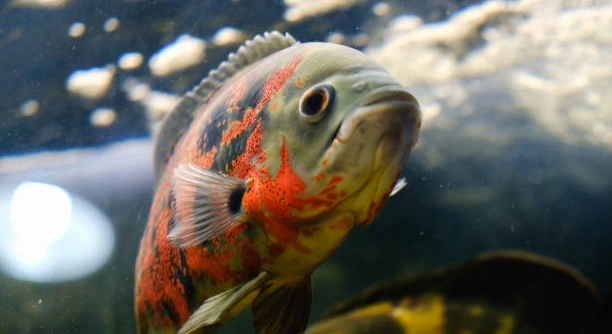
Oscar fish are fascinating pets, but sometimes they can stop responding to their owners. Understanding their behavior can help ensure a healthier, more interactive relationship with your fish. Keep reading to learn the reasons why this may happen.
There are several reasons why your Oscar fish may stop responding to you, including environmental stress, changes in water conditions, health issues, or even natural behavioral patterns. Monitoring their environment and health can help identify the cause.
Understanding these behaviors will help you address any issues your Oscar fish may be facing and ensure a thriving, responsive pet. Let’s take a closer look at some common causes behind this change.
Water Quality Issues
Oscar fish are sensitive to water conditions, and poor water quality can make them stop responding to you. Dirty water, high ammonia, or fluctuating pH levels are common causes. If the water isn’t clean, your fish may become stressed or uncomfortable, which affects their behavior. Regular water changes and water testing are crucial to keep the environment healthy for your Oscar fish.
Check your water parameters, such as temperature, pH, and ammonia levels. Poor water quality can weaken your fish’s immune system, leaving them vulnerable to diseases. It’s important to keep the water stable and change it frequently to prevent any issues.
When the water quality is ideal, your Oscar fish will likely be more active, swimming around and engaging with you. If you notice that your fish seems less responsive, first test the water and make adjustments as needed. This simple step can make a big difference in your fish’s behavior.
Illness or Injury
Fish that are ill or injured often appear less responsive. Oscar fish, like other pets, can get sick for a variety of reasons, such as parasites, infections, or wounds from fighting. If your fish seems less active, it may be feeling unwell.
The symptoms of illness or injury in Oscar fish may include lethargy, loss of appetite, or abnormal swimming patterns. If you notice any of these signs, it’s important to act quickly. Isolation and proper treatment can prevent the spread of illness to other fish in the tank. Make sure to provide the proper medications and create a stress-free environment while they recover.
Regular monitoring of your fish’s health and behavior is essential to catching issues early. By maintaining a clean tank and proper care, you can minimize the risk of infections. If illness occurs, prompt attention can help your Oscar fish recover more quickly and become active again.
Stress from Tank Mates
Oscar fish are territorial creatures and may stop responding if they feel stressed by other fish in the tank. If there’s aggression from tank mates, it can make them retreat and become less interactive. It’s important to monitor the behavior of all fish to ensure harmony in the tank.
If there’s constant aggression or bullying, your Oscar may withdraw and appear less responsive. Adding too many fish or placing incompatible species together can lead to stress. Oscars prefer their space, so giving them enough room to swim and hide can reduce tension.
To resolve this, consider rearranging the tank layout or separating aggressive fish. Adding hiding spots like plants or rocks can provide your Oscar with places to retreat and feel safe. When Oscar fish feel secure in their environment, they are more likely to engage with you.
Overfeeding
Overfeeding your Oscar fish may cause them to stop responding to you. When they are fed too much, they can become lethargic. This happens because excess food can cause digestive issues, leading to a decrease in energy levels and less interest in their surroundings.
It’s essential to feed your Oscar fish the right amount of food. A healthy feeding routine includes giving them meals twice a day, only offering what they can eat in a few minutes. Uneaten food left in the tank can pollute the water, worsening water quality and affecting their behavior.
Watch how your fish reacts after meals. If they seem sluggish or uninterested in their environment, it could be a sign of overfeeding. By adjusting portion sizes and maintaining a regular feeding schedule, you can keep your Oscar healthy and active.
Poor Tank Conditions
Oscar fish require stable conditions to thrive. If the temperature is too high or low, they may stop responding to you. A sudden change in their environment can cause stress, and they may retreat. Regular monitoring of the tank’s temperature, pH, and water quality is necessary.
Keeping the water temperature consistent and in the optimal range is key to their well-being. Inconsistent temperature fluctuations or exposure to drafts can cause your Oscar fish to feel stressed. Using a reliable aquarium heater will help maintain a steady temperature and keep them active.
Lack of Mental Stimulation
Oscar fish are intelligent and need mental stimulation to stay active. Without enough enrichment, they may become bored and less responsive. Consider adding new decorations or rearranging the tank to keep things interesting for your fish.
Oscar fish thrive in environments where they can interact with objects. Toys, moving items, or even tank mates can stimulate their minds. Keeping their environment dynamic will help prevent boredom and encourage more activity. Regular changes can bring back their curiosity and make them more engaging.
FAQ
What are the signs that my Oscar fish is stressed?
Stress in Oscar fish can manifest in several ways. They may stop responding to you, become more reclusive, or swim erratically. Physical signs of stress include faded colors, clamped fins, or increased breathing rates. Stress can also cause a loss of appetite. It’s important to address any changes in behavior quickly to prevent long-term health issues.
Can Oscar fish get lonely?
Oscar fish are solitary animals by nature. While they might tolerate the presence of other fish, they do not necessarily need companionship. If housed with other aggressive or territorial fish, they may become stressed. It’s crucial to observe how they interact with tank mates to ensure their comfort.
How often should I feed my Oscar fish?
Oscar fish should be fed once or twice a day, with each meal lasting no more than a few minutes. Overfeeding can lead to health problems, including obesity and water contamination. A varied diet of pellets, live or frozen food, and occasional vegetables can help maintain their health.
Why is my Oscar fish not eating?
Loss of appetite in Oscar fish can be caused by several factors, such as poor water quality, stress, illness, or overfeeding. If your Oscar isn’t eating, check the water parameters first and ensure there are no signs of aggression from tank mates. If the issue persists, consider seeking veterinary advice.
Is it okay to keep Oscar fish with other species?
Oscar fish can be kept with other species, but it’s important to choose tank mates carefully. Oscars are large and can be aggressive, so they may attack smaller fish. They are best kept with other larger, more robust fish that can handle the Oscar’s temperament. Always monitor their interactions.
How do I know if my Oscar fish is healthy?
Healthy Oscar fish are active, responsive, and swim gracefully. Their colors should be bright and their fins fully spread. Any signs of lethargy, faded colors, or abnormal swimming behavior could indicate illness or stress. Regular water changes and good tank maintenance are essential to their health.
What temperature should the water be for an Oscar fish?
Oscar fish thrive in water temperatures between 74°F and 81°F (23°C to 27°C). Keeping the water temperature stable within this range is crucial for their health. Sudden temperature changes can cause stress or even illness, so it’s important to use a reliable aquarium heater and thermometer.
Can Oscar fish live in a small tank?
Oscar fish require a large tank due to their size and territorial nature. A minimum tank size of 55 gallons is recommended for a single Oscar, but larger tanks are always better. Providing ample swimming space helps reduce stress and prevents the Oscar from becoming too territorial.
How can I make my Oscar fish more active?
To encourage more activity, provide a stimulating environment with plenty of swimming space, decorations, and hiding spots. Rearranging the tank layout or introducing new tank mates can also help. Regular feeding schedules and water changes keep your Oscar healthy and active. Avoid overfeeding, as it can lead to sluggish behavior.
Why is my Oscar fish swimming sideways or upside down?
Swimming sideways or upside down can indicate a serious health problem, such as swim bladder disease, an infection, or injury. If your Oscar exhibits this behavior, check the water quality and consider isolating the fish in a quarantine tank to monitor its health. Consult a vet if the issue persists.
Can Oscar fish live with other Oscars?
While it is possible to keep multiple Oscars together, they are territorial and may become aggressive toward one another. It’s best to keep them in larger tanks, at least 75 gallons, and monitor their interactions. If aggression becomes a problem, you may need to separate them to prevent harm.
Why does my Oscar fish hide all the time?
Hiding behavior in Oscar fish can be a sign of stress, illness, or discomfort. If your Oscar is hiding often, it may be due to poor water quality, aggressive tank mates, or changes in the environment. Providing more hiding spots or adjusting the tank setup can help them feel secure again.
What should I do if my Oscar fish has torn fins?
Torn fins are common in Oscar fish, especially if they are housed with aggressive tank mates. To help your Oscar heal, maintain optimal water conditions and reduce stress. If the injury is severe or shows signs of infection, consider isolating the fish and applying an antiseptic treatment designed for fish.
How do I maintain good water quality for my Oscar fish?
Maintaining good water quality is essential for the health of your Oscar fish. Perform regular water changes, test for ammonia, nitrite, and nitrate levels, and use a high-quality filter to keep the water clean. Avoid overfeeding, as uneaten food can pollute the water. Regular maintenance helps prevent many health issues.
How long do Oscar fish live?
Oscar fish can live for 10 to 15 years with proper care. A healthy environment, a balanced diet, and regular maintenance will ensure your Oscar has a long life. The quality of water and tank conditions plays a major role in their lifespan, so consistency is key to their well-being.
Final Thoughts
Oscar fish are captivating pets that can bring life to any aquarium, but understanding their behavior is key to ensuring their well-being. When they stop responding to you, it could be a sign of various factors, from poor water quality to stress, illness, or even simple boredom. By paying attention to their needs and the environment around them, you can quickly identify the cause and take steps to improve their conditions. Whether it’s adjusting the tank setup, maintaining water quality, or providing a more stimulating environment, small changes can have a big impact.
One of the most important aspects of keeping an Oscar fish is maintaining a healthy and stable environment. These fish are sensitive to water conditions, and fluctuations in temperature, pH, or ammonia levels can cause stress or illness. Regular water changes, using a reliable filter, and monitoring the water parameters can help keep your Oscar active and responsive. A clean tank not only ensures the fish’s health but also helps maintain their natural behaviors, such as swimming around and interacting with their surroundings.
Finally, it’s crucial to remember that Oscar fish are not only sensitive to their physical environment but also to social factors. They can become stressed from aggressive tank mates or overfeeding, which can lead to lethargy or a lack of interest in their owners. Ensuring that their tank mates are compatible and providing them with a balanced diet can make a big difference in how they respond to you. With the right care, an Oscar fish can be a lively and engaging companion for many years.

Hello,
If you enjoy the content that we create, please consider saying a "Thank You!" by leaving a tip.
Every little bit helps us continue crafting quality advice that supports the health, happiness, and well-being of pets around the world, for pets of all shapes, sizes, and species.
We really appreciate the kindness and support that you show us!