
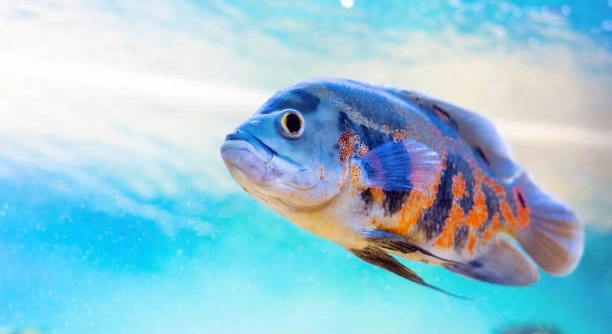
Oscar fish are known for their beautiful colors and strong personalities. However, their behavior can sometimes surprise even the most experienced fish keepers. These fish can display aggressive tendencies, and understanding why can help prevent issues in your aquarium.
Oscar fish exhibit random aggression due to factors such as territorial instincts, stress, overcrowding, or hormonal changes. This behavior is often linked to their need for space, resources, or a response to environmental factors.
By learning the reasons behind their aggression, you can better manage your Oscar fish’s environment. This insight will help maintain harmony in your tank while keeping your fish happy and healthy.
Territorial Instincts
Oscar fish are naturally territorial, especially when they feel their space is being invaded. They can become aggressive when they perceive another fish or even an object as a threat to their territory. This is a common reason for random outbursts of aggression. As they grow, Oscars develop a need for more space. In a crowded tank, their behavior can shift quickly, from calm to hostile, as they try to defend their area.
In the wild, Oscars maintain a large area for hunting and nesting. When kept in aquariums that don’t offer enough space, this instinct kicks in, leading to aggression. To prevent this, ensure your tank is large enough for them to feel secure.
Providing plenty of hiding spots or plants can also help reduce stress. By offering hiding areas, Oscars can escape perceived threats, helping them feel safe. Maintaining proper tank size and decoration will create a more peaceful environment, reducing random aggression caused by territorial disputes.
Overcrowding Issues
Overcrowding is another major factor in Oscar fish aggression. When there are too many fish in the tank, Oscars may become stressed and more likely to lash out. Stress can trigger defensive behaviors as they compete for food, space, and resources.
To keep aggression at bay, ensure your tank is properly sized for the number of fish you have. For Oscars, this usually means at least 75 gallons of water for one or two fish. The more room you provide, the less likely they are to act aggressively toward tankmates. Reducing the number of fish can create a less competitive environment, giving your Oscar more personal space to feel comfortable.
Additionally, consider separating aggressive individuals into their own tank if they’re showing signs of extreme hostility. Having a backup tank for particularly aggressive Oscars can help reduce stress and protect other fish.
Stress from Environmental Changes
Oscar fish are highly sensitive to changes in their environment. Sudden shifts in water temperature, water quality, or tank setup can trigger stress, which may lead to random aggression. Stress makes Oscars feel insecure, prompting them to lash out at other fish or objects around them.
To reduce stress, keep the water temperature stable, between 74-81°F, and monitor the water parameters regularly. Oscars prefer clean water, so invest in a good filtration system. Also, avoid making too many changes in their environment all at once. If you plan to add new decor or move things around, do it gradually.
Introducing new tankmates can also be a source of stress, especially if the Oscar feels threatened by them. Adding new fish slowly and giving your Oscar time to adjust will help reduce aggression. Providing hiding spots for the Oscar to retreat to when needed also promotes a less stressful atmosphere. If changes are necessary, be patient and avoid overwhelming the fish.
Hormonal Changes and Breeding Behavior
Hormonal changes in Oscar fish often lead to sudden aggression, especially when they are ready to breed. During breeding seasons, males may become territorial and more aggressive to protect their mate and spawning site. This is a natural behavior driven by their need to protect offspring.
Breeding Oscars can be highly territorial, and their aggression may increase when they start laying eggs. Males may chase other fish out of the area, even showing aggressive postures to defend the territory. If your Oscar is showing this behavior, it’s best to give them some space to avoid unnecessary stress.
If possible, separate the breeding pair from the rest of the tank to reduce conflict. This can help calm their aggressive tendencies and allow them to focus on their mating ritual. Keep in mind that these behaviors are temporary, and they usually calm down once the breeding process is over.
Illness or Injury
Oscar fish can become aggressive if they are feeling unwell or have sustained an injury. When in pain or discomfort, they may lash out more easily, even at tankmates. This aggression is often a sign that something is wrong with their health.
If your Oscar shows sudden aggression, it could be due to an underlying illness or injury. Common signs of health issues include changes in eating habits, lethargy, or visible wounds. If you notice any of these symptoms, it’s best to check the water quality and look for signs of illness.
Hunger and Feeding Frenzy
Oscar fish are known for their big appetites. When hungry, they may become more aggressive, especially during feeding time. If they’re not getting enough food or their feeding schedule is irregular, they might act out toward other fish.
To prevent hunger-related aggression, maintain a consistent feeding schedule. Offering the right amount of food, ensuring that it is not overfed, will keep your Oscar satisfied. It’s also important to monitor their eating habits to ensure they’re eating enough and are not being outcompeted for food.
Tankmate Compatibility
Oscar fish can show aggression if their tankmates are not compatible. Oscars are known to be territorial, and they may attack smaller or more passive fish. Some species of fish simply don’t mesh well with Oscars, leading to conflicts in the tank.
FAQ
Why is my Oscar fish attacking other fish?
Oscar fish are territorial by nature, and they may attack other fish if they feel their space is being invaded. When Oscars are placed in smaller tanks or when there are too many tankmates, they can become more aggressive. This aggression is often directed at other fish that are perceived as threats to their territory. To reduce this behavior, ensure your tank is large enough for the number of fish, and consider adding hiding spots where Oscars can retreat if they feel stressed.
How can I stop my Oscar fish from being aggressive?
To reduce aggression, provide plenty of space, preferably a tank size of at least 75 gallons for one Oscar. Reducing the number of tankmates can also help. Add hiding spots and decorations to give Oscars areas to retreat when feeling threatened. Keeping the water quality stable and stress levels low is also essential.
Can Oscar fish be kept with other fish?
Yes, Oscar fish can live with other fish, but it depends on the species. They are best kept with similarly sized or larger fish that can hold their own against Oscar aggression. Avoid placing small or shy fish with Oscars, as they may get bullied. Tankmates like large cichlids or robust species are usually good choices.
How do I know if my Oscar fish is sick?
Sick Oscars may show signs like a lack of appetite, lethargy, changes in color, or abnormal swimming. You might also notice visible wounds or white spots on the skin. If your Oscar is behaving aggressively, it could be a sign of illness. Check water parameters, and look for any other signs of disease.
Do Oscar fish need a lot of care?
Oscar fish are relatively easy to care for, but they do require a stable environment. They need a large tank, clean water, and a varied diet. Regular water changes, proper filtration, and monitoring of their behavior are key to keeping them healthy. While they aren’t overly demanding, neglecting their needs can lead to aggression or health problems.
How often should I feed my Oscar fish?
Oscar fish should be fed once or twice a day, depending on their age and size. Offer a balanced diet that includes high-quality pellets, frozen or live foods like worms, shrimp, and fish. Avoid overfeeding, as this can lead to water quality problems and obesity, which may affect their health.
What is the best tank size for an Oscar fish?
The ideal tank size for an Oscar fish is at least 75 gallons for one adult Oscar. As they grow, they need more space to swim freely. Keeping them in a tank that is too small can result in aggression, stress, and stunted growth. Larger tanks also make it easier to maintain water quality.
Why does my Oscar fish chase its reflection?
Oscar fish are often attracted to their reflection in the glass of the tank. This is due to their territorial nature. They may see their own reflection as another fish and react by chasing or attacking it. To prevent this, you can add decorations to break up the reflection or move the tank to a location where the light doesn’t cause as much reflection.
Can Oscar fish live with other Oscars?
Yes, Oscar fish can live with other Oscars, but they may display territorial aggression, especially when they are breeding. When keeping multiple Oscars together, ensure the tank is large enough to give them space. If aggression becomes too intense, it may be necessary to separate them.
Is it normal for my Oscar fish to eat small fish?
Oscar fish are carnivorous and may eat smaller fish if they are hungry or view them as prey. If you plan on keeping smaller fish with an Oscar, choose species that are too large to be considered food. Keep in mind that Oscar fish can get quite large and may eventually outgrow their smaller tankmates.
What temperature should the water be for my Oscar fish?
Oscar fish thrive in water temperatures between 74-81°F (23-27°C). Keeping the water temperature within this range promotes good health and reduces stress. Make sure the heater is working properly and use a thermometer to monitor the water temperature regularly.
How can I tell if my Oscar fish is stressed?
Stressed Oscar fish may display signs like erratic swimming, hiding, or constantly chasing other fish. Their colors may fade, and they may stop eating. Environmental factors like poor water quality, overcrowding, or sudden changes in the tank setup can cause stress. Identifying the source of stress and addressing it promptly can help your Oscar recover.
Final Thoughts
Oscar fish can be beautiful and engaging pets, but their aggressive behavior can sometimes be surprising for owners. Understanding the reasons behind their aggression is essential for providing a peaceful and healthy environment. Factors like territorial instincts, stress, overcrowding, and hormonal changes can all trigger aggressive actions. It’s important to be aware of these triggers and take steps to minimize them, such as providing enough space, keeping water quality stable, and ensuring the right tankmates.
Managing aggression in Oscar fish doesn’t have to be complicated. By creating a suitable habitat that meets their physical and psychological needs, you can reduce many of the aggressive behaviors. This includes offering a large enough tank, providing hiding places, and avoiding overcrowding. Regular water changes and maintaining the correct temperature are also crucial in keeping your Oscar happy. Paying attention to their behavior and understanding when aggression is a sign of stress, illness, or breeding can help you address issues before they escalate.
If you’re prepared to manage the challenges of keeping Oscar fish, they can make fascinating and rewarding pets. They are known for their intelligence and unique personalities, which can make them a joy to care for. By giving them the right environment, food, and care, you can enjoy a long, peaceful relationship with your Oscar fish. However, always remember that their aggression is often a sign that something needs attention. Whether it’s their environment, health, or social dynamics, taking action quickly can prevent long-term problems and ensure your Oscar fish remain healthy and content.

Hello,
If you enjoy the content that we create, please consider saying a "Thank You!" by leaving a tip.
Every little bit helps us continue crafting quality advice that supports the health, happiness, and well-being of pets around the world, for pets of all shapes, sizes, and species.
We really appreciate the kindness and support that you show us!