
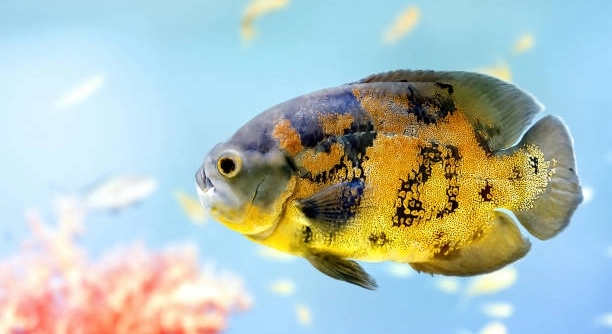
Oscar fish are known for their vibrant colors, but sometimes they change instantly. This can be surprising, especially for owners who are new to these fascinating creatures. Understanding the reasons behind these color shifts can help keep your fish healthy and happy.
Oscar fish change color due to various factors like stress, temperature changes, and even their environment. They are capable of displaying an array of hues in response to their emotions or external influences, making them highly dynamic creatures.
These color changes are not only a natural part of the Oscar fish’s behavior but also a signal of its well-being. Exploring the causes of these transformations can provide insight into how to maintain a balanced environment for your fish.
Stress-Induced Color Changes
Oscar fish are sensitive creatures, and stress is one of the most common triggers for their color changes. Whether it’s due to a new tank mate, sudden water changes, or loud noises, these factors can cause your fish to shift colors almost instantly. When stressed, an Oscar’s bright colors can fade, and it may become darker or duller. This response is a sign that something in its environment is upsetting it.
Stress-related color changes are often temporary. Once the stressor is removed or reduced, the fish may regain its usual vibrant hues. However, it’s important to identify the source of the stress. Addressing the issue promptly can help your fish feel more comfortable and prevent long-term effects.
Consistently monitoring the tank environment is crucial for preventing stress. Keeping water quality high, maintaining a stable temperature, and minimizing disturbances are simple ways to create a peaceful atmosphere for your Oscar fish. Stress can also be compounded by poor water conditions, so regular water changes and tank cleaning are vital. By understanding the triggers and taking steps to manage them, you’ll be better equipped to care for your Oscar fish.
Temperature Fluctuations and Their Effect
Oscar fish are sensitive to temperature changes. A sudden drop or rise in temperature can cause noticeable color changes. If the water is too cold or too hot, the fish may appear darker or lighter than usual. This can be temporary if the temperature stabilizes.
Temperature regulation is essential for the health of your Oscar fish. Ideal water temperatures are between 74°F and 81°F. Consistent heating and monitoring will help your fish stay vibrant and comfortable.
Mood and Emotional Shifts
Oscar fish, like many animals, express their emotions through color changes. When feeling threatened or excited, they may darken to signal aggression or territorial behavior. In contrast, when calm, they display lighter, more vibrant hues. These emotional responses are linked to their fight-or-flight instincts.
Color changes tied to emotions are not always linked to negative events. Sometimes, Oscars brighten up when they feel safe or content in their environment. They may even show excitement during feeding time or when interacting with other fish. If you notice your Oscar changing color often, it may be because it’s experiencing shifts in its emotional state.
The emotional spectrum of an Oscar fish is wide, from aggression to curiosity. These changes might seem sudden, but they’re a normal part of their behavior. Understanding these responses helps you gauge your fish’s mood and can assist in identifying if something in its environment needs adjustment. Providing a peaceful and enriching habitat can help minimize stress-related emotional changes.
Tank Lighting
The lighting in your Oscar’s tank can significantly affect its appearance. Harsh or bright lights might cause your fish to appear more pale or faded. On the other hand, dim lighting can make it seem darker, especially at night. Adjusting the lighting can help showcase its natural color.
Oscars tend to thrive in well-lit environments that mimic their natural habitat. However, strong lighting for prolonged periods can stress them out. Using softer, adjustable lighting during the day and dimming it at night helps maintain a more comfortable environment. Proper lighting not only makes your Oscar feel at ease, but it also helps prevent color changes caused by light exposure.
Maintaining the right light intensity and schedule is essential for your fish’s health. Too much light can lead to more stress, which may result in color fading or darkening. However, too little light could cause other issues, such as poor appetite or inactivity. Balancing light will ensure your fish remains both healthy and vibrant.
Water Quality
Water quality plays a big role in your Oscar fish’s color. Poor water conditions, such as high ammonia or nitrate levels, can lead to dull, faded colors. Oscars are especially sensitive to these changes, and their appearance can quickly show signs of distress.
Keeping the water clean helps prevent stress-related color changes. Regular water changes, proper filtration, and monitoring of water parameters are key to maintaining a healthy environment. Good water quality supports vibrant colors and overall health, allowing your Oscar to thrive. Always test the water regularly to ensure it’s within safe levels.
Age and Growth
As Oscar fish grow, their color patterns may shift. Younger Oscars typically have brighter, more distinct colors. As they mature, their coloration can become more muted or even develop new patterns. This change is part of their natural growth process.
Oscar fish may show more subdued colors as they age. Their overall appearance may become more complex, with darker or lighter areas forming over time. Even with age, their colors can still change depending on environmental factors. This natural transition should not cause concern, but monitoring them regularly can help ensure their health is optimal.
FAQ
Why does my Oscar fish change color when I introduce a new tank mate?
Oscar fish are territorial creatures, and the introduction of a new tank mate can trigger an immediate response. If they feel their space is being threatened, they may darken or change color to show aggression or discomfort. This is part of their natural behavior, signaling that they are ready to defend their territory. Over time, as the new tank mate becomes a more familiar presence, the Oscar fish may adjust and its colors may return to normal. To minimize stress, it’s helpful to gradually introduce new fish and ensure there is enough space in the tank for everyone.
Can Oscar fish change color due to food?
Yes, Oscar fish can change color based on their diet. A healthy, balanced diet will help your fish maintain its vibrant colors, while poor nutrition can cause it to appear dull or faded. For example, foods rich in carotenoids, like shrimp and certain types of pellets, can enhance an Oscar’s color and make it appear more vibrant. However, feeding your fish the wrong types of food can have the opposite effect, leading to a lack of vibrancy or unhealthy coloration. It’s important to provide a varied diet that supports their natural coloring.
Is it normal for my Oscar fish to change color overnight?
Oscar fish are known for their ability to change color quickly, and it’s normal for them to show different shades overnight. Factors like light exposure, mood, or water quality can affect their appearance during the night. If your Oscar looks different when the lights are off or in the early morning, it might simply be adjusting to its environment. However, sudden, drastic changes in color without an obvious cause could be a sign of stress or illness. It’s important to observe the fish’s behavior and water conditions to ensure everything is in balance.
What does it mean when my Oscar fish turns black?
Oscars turning black can be a sign of stress, illness, or environmental issues. Stressful situations like overcrowding, aggressive tank mates, or poor water quality can cause the fish to darken. Similarly, if the Oscar is unwell, it may lose its usual color and appear darker or black. However, it could also be a sign of the natural color shifts that occur as the fish matures. If your Oscar is showing signs of distress or a sudden change in color, check water conditions and make sure the tank environment is peaceful. If the problem persists, consider consulting an expert for advice.
Why is my Oscar fish turning pale?
If your Oscar fish turns pale, it could be a sign of stress or an issue with its environment. Poor water quality, temperature fluctuations, or inappropriate lighting can cause pale colors. Sometimes, Oscar fish become pale when they are feeling unwell or when they are in an unfamiliar or uncomfortable environment. Stress can cause the fish to lose its usual vibrant hues, and this may happen quickly. It’s crucial to maintain a stable, clean environment to avoid these changes. If pale coloration persists, further investigation into water parameters or possible health issues may be necessary.
How do I know if my Oscar fish is happy and healthy based on its color?
A healthy and happy Oscar fish will typically have bright, vibrant colors. When an Oscar is content, its colors will be rich and full of contrast. The fish should appear active, swimming around with energy and curiosity. If your Oscar’s colors are dull or it seems lethargic, this could be a sign of stress, illness, or poor water conditions. However, keep in mind that small fluctuations in color are normal, especially if the Oscar is reacting to changes in its environment or tank conditions. Regularly monitoring the fish’s behavior and appearance is key to ensuring its well-being.
Can Oscar fish color change due to tank size?
Yes, the size of the tank can affect your Oscar’s coloration. Oscar fish need ample space to swim freely and establish their territory. In a cramped or overcrowded tank, they may feel stressed, which could lead to changes in their color. A larger tank will help reduce stress by providing more room for the fish to explore and retreat to when needed. In addition to the physical space, the tank should be well-maintained, with proper filtration and water quality. A comfortable, spacious environment is important for both your Oscar’s health and its color vibrancy.
Do Oscar fish change color when they are about to spawn?
Oscar fish often undergo color changes when they are preparing to spawn. Both males and females may darken in color, and their patterns may become more pronounced as they become more territorial. During the breeding process, Oscars are more active and may even exhibit more aggression toward other fish. This color change is a sign that they are preparing to reproduce, and it’s completely normal. Providing a safe, calm environment will help them feel comfortable during this period, which will contribute to their overall health and well-being.
How does the pH level of the water affect my Oscar fish’s color?
Oscar fish are sensitive to the pH level of their water, and fluctuations can affect their color. If the water is too acidic or too alkaline, the fish may appear stressed, causing color changes. The ideal pH for Oscar fish is between 6.5 and 7.5. Keeping the water’s pH within this range helps maintain the fish’s natural color and health. Regular testing and adjustments to the water chemistry will prevent issues related to poor water quality and ensure your Oscar fish remains vibrant and active.
Why is my Oscar fish’s color changing in response to different lighting?
Lighting plays a significant role in how Oscar fish appear. Bright lights can make the fish look paler or washed out, while dim lighting may cause them to appear darker. Oscars are sensitive to light, and their colors may adjust to reflect their current environment. Providing the right balance of light can help your fish maintain its true colors. If you notice that your fish’s colors are changing due to lighting, try adjusting the lighting schedule and intensity. A gentle lighting routine that mimics natural conditions can help keep your Oscar’s color consistent.
Final Thoughts
Oscar fish are remarkable creatures, known for their vivid colors and distinct personalities. Their ability to change color is a fascinating aspect of their behavior, influenced by various factors like stress, water quality, lighting, and even their emotional state. Understanding these changes can help you create a better environment for your fish and improve its overall well-being. Whether they’re shifting hues due to mood or responding to a change in their environment, these color changes are part of what makes Oscars unique and captivating.
It’s important to remember that Oscar fish are sensitive animals that require stable and consistent conditions to thrive. Stress, poor water quality, and improper lighting can cause them to change color, but with careful attention, most of these issues can be managed. Regular water changes, proper filtration, and maintaining a suitable tank size are key to ensuring that your Oscar remains healthy and vibrant. A balanced diet also plays a role in keeping your fish’s colors bright and healthy. With a little extra care, you can prevent many common issues that lead to unwanted color changes.
While color changes are a normal part of an Oscar’s life, they can also be an indicator of underlying problems. If you notice significant, unexplained shifts in their appearance, it’s worth investigating the cause. It could be stress, illness, or a water condition issue. By keeping track of any changes and responding to them quickly, you’ll help your Oscar live a long and healthy life. These beautiful fish are a joy to care for and, by understanding their color changes, you’ll be better equipped to meet their needs.

Hello,
If you enjoy the content that we create, please consider saying a "Thank You!" by leaving a tip.
Every little bit helps us continue crafting quality advice that supports the health, happiness, and well-being of pets around the world, for pets of all shapes, sizes, and species.
We really appreciate the kindness and support that you show us!