
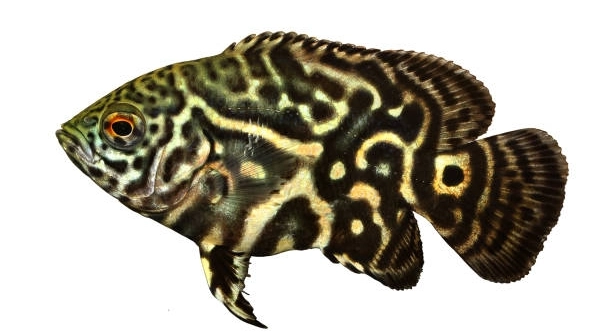
Have you ever watched your Oscar fish and noticed they sometimes act completely out of sync with their usual behavior? It can be confusing and even a little concerning when they suddenly do something unexpected or unusual.
Oscar fish can act out of sync due to environmental stress, dietary imbalances, sudden changes in tank conditions, illness, territorial disputes, breeding behavior, or simple boredom. Understanding these causes is key to maintaining their health and behavioral stability.
Learning about these moments helps you better care for your Oscar fish and ensures they live happy, well-adjusted lives in your aquarium.
Environmental Stress Causes Confusing Behavior
Oscar fish are sensitive to changes in their environment, and even small disruptions can throw them off balance. Loud noises, sudden movements, or rearranging their tank can cause them to act strangely. They might swim erratically, hide for long periods, or refuse to eat. This behavior often reflects fear or discomfort, signaling that something in their surroundings feels wrong to them. Consistency is important when caring for Oscars. Keeping their tank setup stable, maintaining clean water conditions, and minimizing sudden changes will help them feel secure. Regularly checking water parameters such as pH, ammonia, and nitrate levels also helps prevent stress-related behaviors. If you notice odd actions after a recent change, try returning the tank environment to what they are familiar with. It can take a few days for them to calm down and act like their usual selves once again, but patience usually brings them back to normal.
Stressful events can have a noticeable impact on Oscar fish behavior. Creating a stable, calm environment is essential if you want to avoid seeing these unexpected changes.
Even minor stress can build up over time. When left unaddressed, it may lead to larger health issues or prolonged behavioral shifts that become harder to correct.
Dietary Problems Make Oscars Act Out
Poor nutrition can directly affect the behavior of Oscar fish. If they are missing key nutrients, they might act more aggressively, become sluggish, or display odd swimming patterns. A balanced diet is essential for healthy behavior.
Oscars require a varied diet that includes high-quality pellets, live foods, and occasional vegetables to meet their nutritional needs. Feeding them only one type of food, or providing low-quality options, can lead to deficiencies. This not only impacts their health but can also cause noticeable changes in their behavior. For example, a fish that feels weak from missing vitamins might hide more or swim unevenly. On the other hand, an Oscar that is overfed with fatty foods can become lethargic and less responsive. Feeding schedules are important too. Inconsistent feeding can cause anxiety, making your Oscar fish seem jittery or overly aggressive at feeding times. Sticking to a regular feeding routine with the right variety ensures they stay active, vibrant, and predictable. Always observe their eating habits, as sudden loss of appetite or excessive begging can signal deeper nutritional concerns that need to be addressed early.
Illness Can Throw Off Normal Behavior
When Oscar fish are sick, they often act in ways that seem completely out of character. They may isolate themselves, lose their appetite, show clamped fins, or even swim upside down. Illness stresses their body and quickly affects how they behave in their tank.
If your Oscar is behaving oddly, it is important to observe closely for physical symptoms. Cloudy eyes, faded coloring, white spots, or ragged fins can indicate underlying health problems such as ich, bacterial infections, or internal parasites. Water quality should be checked immediately, as poor conditions often contribute to illness. Quarantine tanks are helpful if you need to treat them separately. Medication should be used carefully following dosage instructions. A sick Oscar might take time to recover even after treatment begins, so patience is needed. Continue to offer high-quality food and maintain excellent water conditions to support their healing.
Oscar fish often try to hide symptoms at first, a natural instinct to protect themselves in the wild. This makes early detection harder. Behavioral changes are usually the first signs something is wrong, so reacting quickly can make a big difference. Keeping a close routine of observation helps catch issues before they become more serious.
Territorial Disputes Lead to Strange Behavior
Oscar fish are naturally territorial, especially once they establish a space they consider their own. They can become defensive if other fish invade their area or if their tank is too small to support their need for personal space.
In smaller tanks, Oscars may constantly fight, nip, or chase other fish, causing stress for everyone. Even when housed alone, they might display territorial behaviors by rearranging decorations or digging pits in the substrate. Introducing new fish can trigger even more exaggerated actions. To prevent this, it is important to provide enough room—at least 75 gallons for one adult Oscar. Dividing visual space with plants and rocks can also help reduce conflict. Rearranging the tank slightly before adding new fish can sometimes break established territories, making introductions smoother. Always monitor new tank dynamics carefully. Promptly separating aggressive Oscars can prevent injuries and prolonged stress among your fish.
Breeding Behavior Can Seem Odd
When Oscar fish are ready to breed, their behavior can change dramatically. They may become more aggressive, dig large pits in the substrate, or spend time closely guarding a specific area in the tank without much explanation at first.
Oscars preparing to breed often chase each other around the tank, which can look like fighting but is usually part of their mating process. They might also clean flat surfaces like rocks or tank glass in preparation for laying eggs. It can seem chaotic if you are not expecting it.
Boredom Triggers Unusual Actions
Oscar fish are intelligent and need stimulation to stay happy. Without enough mental and physical activity, they may start acting out. Tail chasing, glass surfing, and even rearranging tank decorations are common signs they are feeling bored and frustrated.
Sudden Tank Changes Cause Disruption
Changing water conditions too quickly or rearranging the tank drastically can confuse your Oscar fish. They might stop eating, hide constantly, or swim in erratic patterns, trying to adjust to the sudden changes around them.
FAQ
Why is my Oscar fish swimming upside down?
Swimming upside down is often a sign of swim bladder disorder, which affects the fish’s ability to control its buoyancy. This condition can be caused by overeating, constipation, poor water quality, or infections. If your Oscar shows this behavior, check the tank’s water parameters first. You might also want to adjust their diet by offering peas (with the skin removed) to help clear any digestive blockages. In severe cases, you may need to consult an aquatic veterinarian for further treatment options to help your Oscar recover.
Why is my Oscar hiding all the time?
Oscars may hide when they feel stressed, sick, or threatened. Environmental stress, such as sudden tank changes, bullying from other fish, or poor water conditions, often leads to this behavior. If your Oscar was once active and suddenly becomes reclusive, check for water quality issues and signs of illness. Sometimes, new decorations or rearrangements can also make them feel insecure. Providing more hiding spots and keeping their environment stable will often encourage them to come out more as they feel safer and more comfortable in their surroundings.
Can diet really affect Oscar fish behavior?
Yes, diet has a huge impact on their behavior. Poor nutrition can lead to sluggishness, aggression, or strange swimming patterns. Oscars need a balanced diet of high-quality pellets, supplemented with live or frozen foods and occasional vegetables. Feeding the same food every day without variation can cause deficiencies over time. When they receive the right nutrients, their energy levels, coloration, and behavior tend to stabilize. Always avoid feeding too many fatty foods like beef heart, as this can cause health problems and behavioral changes linked to poor overall condition.
How can I tell if my Oscar is stressed?
Stressed Oscars may breathe heavily, lose their vibrant color, stop eating, or display erratic swimming patterns. They might also hide more often or lash out at other fish without warning. Monitoring their daily behavior helps you notice these changes quickly. Checking your water quality regularly, keeping a consistent feeding schedule, and maintaining a calm environment are all important steps. If you address the cause of the stress early, Oscars usually return to their normal selves within a few days, but prolonged stress can lead to serious health issues.
Do Oscars act differently when breeding?
Yes, Oscars preparing to breed behave differently. They become more territorial, aggressive, and active. You might notice them digging pits, cleaning surfaces, or guarding a certain spot in the tank. Males and females often chase each other around aggressively, but this is usually part of their courtship. After laying eggs, they will protect their nest fiercely. If you have tank mates, it is important to watch for signs of aggression during this time to prevent injuries. Keeping the tank calm and stable can help ease these temporary behavior changes.
Why does my Oscar move decorations around?
Moving decorations is normal Oscar behavior, especially if they are bored or establishing territory. Oscars are very interactive with their environment and enjoy rearranging it. Sometimes they clear a space because they are preparing to breed. Other times, it is simply a way to create a more comfortable area for themselves. Giving them heavy decorations that cannot be easily knocked over or hurt them is important. Accepting that some rearranging will happen is part of keeping an Oscar, and it often shows that they are active and engaged.
Is it normal for my Oscar to refuse food sometimes?
It can be normal occasionally, especially after environmental changes or during periods of stress. However, if your Oscar refuses food for more than a couple of days, it could be a sign of illness or poor water quality. Check your water parameters and watch for any other signs of distress. Sometimes offering a favorite food like live or frozen treats can tempt them to eat again. Keeping feeding times consistent also helps encourage regular eating habits. Addressing the underlying cause early usually brings their appetite back to normal.
Final Thoughts
Oscar fish are known for their lively and sometimes puzzling behavior. While many of their actions might seem strange at first, most have simple explanations once you understand their needs. Changes in their environment, diet, or social interactions can all trigger behavior that looks out of sync. Paying attention to these shifts is important, as it helps you respond in ways that keep your Oscar healthy and comfortable. Watching them closely and making small adjustments can go a long way in creating a better environment for them.
Consistency is key when caring for an Oscar fish. They do best in a stable, well-maintained tank where water quality, temperature, and food remain steady. Sudden changes often confuse them, leading to stress or aggressive behavior. Offering a varied and balanced diet, providing enrichment like decorations and hiding spots, and keeping their environment peaceful will help reduce unexpected behavior. It is also helpful to stay patient, as some behaviors, like breeding actions or exploring, are a normal part of their routine.
Understanding your Oscar fish takes time, but it can also be one of the most rewarding parts of keeping them. Learning their unique habits and recognizing the difference between normal and concerning behavior builds a strong connection between you and your fish. By meeting their needs and staying attentive, you can enjoy a more peaceful and engaging experience with your Oscar. Each fish has its own personality, and with a little patience and care, they will show you just how lively and fascinating they can be.

Hello,
If you enjoy the content that we create, please consider saying a "Thank You!" by leaving a tip.
Every little bit helps us continue crafting quality advice that supports the health, happiness, and well-being of pets around the world, for pets of all shapes, sizes, and species.
We really appreciate the kindness and support that you show us!