
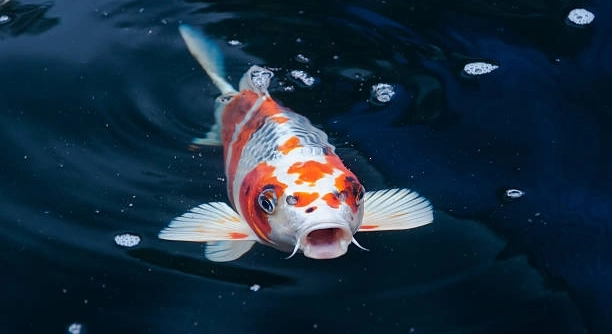
Koi fish are fascinating creatures often admired for their vibrant colors and graceful movements. These fish don’t just swim—they seem to respond to changes in their environment. Their behavior often reflects natural weather patterns in subtle and interesting ways.
Koi mimic weather by adjusting their movements and positions in response to changes in temperature, sunlight, and atmospheric pressure. These adaptations help them conserve energy, find food, and stay safe during varying weather conditions, showing a close connection between their behavior and the environment.
Exploring these natural behaviors reveals how koi adapt in real time to their surroundings. This understanding offers a glimpse into the delicate balance between aquatic life and weather influences.
Koi and Rain: How Movement Changes
When rain begins to fall, koi often swim closer to the water’s surface. This is because rain cools the top layer of the pond, making it more comfortable for them. They also become more active, moving with a gentle, flowing rhythm that resembles the falling drops. The ripples caused by raindrops create small currents that koi instinctively follow. This helps them find food that may be washed into the water by the rain. Additionally, koi may gather near the edges where rainwater enters, sensing fresh oxygen and nutrients. Their movement appears calmer compared to sunny days when they tend to be more scattered and exploratory. Observing koi during rainfall shows a shift from energetic swimming to smooth, measured motions that reflect the gentle weather change.
Koi react to rain by moving slowly near the surface, appearing calm and purposeful as they adjust to the changing environment.
The way koi respond to rain is an excellent example of how they stay connected to weather patterns. Their slow, deliberate movements help them take advantage of new food sources brought by the rain and avoid strong currents. This behavior also shows how koi balance activity and rest, using rain’s calming influence to conserve energy. Watching these changes can be peaceful, revealing nature’s quiet rhythm in action.
Koi and Wind: Movement Patterns Shift
Wind causes ripples and waves on the pond’s surface, which koi respond to by adjusting their swimming paths.
When the wind picks up, koi tend to swim against or along the water currents created by the breeze. This behavior helps them maintain stability and avoid being pushed around too much. The shifting waves make it harder to see beneath the water, so koi use their sensitive lateral lines to navigate. Their movement becomes more deliberate, often forming small groups to stay safe and maintain position. Windy conditions encourage koi to explore deeper areas or seek shelter behind pond plants and rocks. This response to wind protects them from potential stress and keeps them comfortable during changing weather.
Koi’s adaptation to wind is a survival tactic that shows their strong link to natural conditions. They use water currents to their advantage and adjust movement to conserve energy. This ability to react smoothly to wind highlights koi’s impressive environmental awareness and helps them thrive in outdoor ponds. Observing these changes can deepen appreciation for koi behavior and the subtle ways weather influences aquatic life.
Koi and Sunshine: Bright Days Affect Behavior
Koi become more active on sunny days, often swimming near the water’s surface. The sunlight warms the pond, encouraging them to explore and feed.
Sunshine increases the pond’s temperature, making koi more energetic and visible. They use the light to find food easily and interact with their environment. During bright days, koi often swim in open areas, showing their colorful patterns clearly. The warmth helps their metabolism, so they eat more and move faster. However, too much sun can cause koi to seek shade under plants or near pond edges to avoid overheating. Their behavior balances energy use and comfort in response to sunlight.
Sunshine affects koi activity by warming the water and encouraging exploration. Their bright colors seem to shine more, and they show playful, lively movements. This natural reaction helps them stay healthy and alert while adapting to changing light conditions.
Koi and Thunderstorms: Sudden Changes in Motion
Koi react quickly to thunderstorms by slowing down and seeking shelter. The sudden noise and pressure drop affect their behavior.
When a thunderstorm approaches, koi sense changes in air pressure and vibrations. Their movements become more cautious and slower, often moving toward pond plants or deeper water for protection. Loud thunder and lightning flashes cause stress, so koi hide to avoid danger. These fish are sensitive to weather shifts and rely on instincts to stay safe during storms. After the storm passes, koi gradually resume normal swimming patterns, though they may remain cautious for a while. Their response to thunderstorms shows how closely tied their behavior is to sudden weather changes.
The reaction to thunderstorms is vital for koi survival. Their ability to detect and respond to pressure drops and noise keeps them safe from harm. Watching this behavior reminds us how weather directly impacts koi’s daily life and instincts.
Koi and Cloudy Weather: Calm and Steady
Koi tend to swim slowly and stay near the middle of the pond on cloudy days. The reduced sunlight keeps the water cooler and less active.
Cloudy weather creates a calm atmosphere, so koi show less excitement. Their movements become steady and relaxed, conserving energy while still exploring their space. They often stay balanced between surface and bottom, adjusting to the gentle change in light and temperature.
Koi and Seasonal Shifts: Preparing for Changes
As seasons change, koi adjust their swimming patterns to prepare for new weather. In cooler months, they slow down and move less, conserving energy. When warmer weather returns, their activity picks up, and they become more curious and lively.
Koi and Fog: Quiet Movements
Foggy mornings make koi swim quietly near the surface. The soft light and cooler air create a peaceful environment that koi seem to enjoy.
FAQ
Why do koi swim near the surface when it rains?
Koi swim near the surface during rain because the top layer of water cools and often contains more oxygen. Rain can also wash food particles into the pond, attracting koi. Their slow, smooth movements help them take advantage of these changes without wasting energy.
How does wind affect koi behavior?
Wind creates ripples and currents on the pond’s surface. Koi adjust by swimming against or along these currents to maintain stability. Their movements become more deliberate to avoid being pushed around. They often group together or seek shelter near plants during windy weather.
What changes happen to koi during sunny days?
Sunshine warms the pond, making koi more active. They swim near the surface to feed and enjoy the light, which also helps their metabolism. Too much sun causes koi to seek shaded areas to avoid overheating, balancing activity and rest.
How do thunderstorms impact koi?
Koi detect sudden drops in air pressure and loud noises during thunderstorms. They respond by slowing down and hiding near plants or deeper water. This cautious behavior helps protect them from stress and potential harm caused by the storm.
Do koi behave differently in cloudy weather?
Yes, koi swim more slowly and stay in the middle or lower parts of the pond on cloudy days. The lack of sunlight cools the water slightly, encouraging calm and steady movements to conserve energy.
How do koi prepare for seasonal changes?
In cooler seasons, koi reduce their activity and eat less to save energy. As temperatures rise, they gradually become more active and increase feeding. This seasonal adjustment helps them survive varying weather conditions.
Why do koi swim quietly during foggy mornings?
Fog creates cooler temperatures and soft light, making the pond calm and quiet. Koi respond by swimming gently near the surface, seeming to enjoy the peaceful environment while conserving energy.
Can koi sense weather changes before they happen?
Koi are sensitive to changes in air pressure, temperature, and vibrations. These senses alert them to approaching weather shifts like storms or wind, triggering behaviors such as seeking shelter or adjusting swimming patterns.
Does weather affect koi health?
Yes, weather impacts water temperature, oxygen levels, and stress. Proper behavior in response to weather helps koi stay healthy by managing energy, finding food, and avoiding danger. Sudden or extreme weather changes can be harmful if koi cannot adapt quickly.
How can pond owners help koi during bad weather?
Owners can provide shaded areas, deep spots, and plants for shelter. Monitoring water quality and temperature ensures koi remain comfortable. During storms, avoiding loud noises near the pond helps reduce stress. Regular maintenance supports koi wellbeing through all weather conditions.
Koi fish are truly amazing creatures that respond to weather in many subtle ways. Their movements and behaviors change depending on rain, sunshine, wind, and even storms. These changes are not random but serve important purposes, such as finding food, staying safe, and conserving energy. Understanding how koi mimic weather in motion helps us appreciate their connection to the environment around them. It also shows how sensitive they are to natural changes and how they adapt to survive.
Watching koi in different weather can be calming and interesting. On rainy days, they swim slowly near the surface, while on sunny days, they become more active and explore the pond. During storms, they hide and slow down, showing their instinct to protect themselves. These simple behaviors give us clues about what is happening in nature. It reminds us that koi are part of a larger system where water, air, and light all affect living things. This connection makes koi ponds feel alive and always changing, inviting us to observe closely.
Knowing how koi react to weather can help people who care for them. By providing safe places like plants or deeper water, koi can better handle changes in weather. Keeping the pond clean and stable also supports their health. When owners understand these natural behaviors, they can create a more comfortable home for koi. This respect for their natural rhythms helps koi live longer, healthier lives. In the end, koi teach us about balance, adaptation, and the quiet power of nature’s influence on all living creatures.

Hello,
If you enjoy the content that we create, please consider saying a "Thank You!" by leaving a tip.
Every little bit helps us continue crafting quality advice that supports the health, happiness, and well-being of pets around the world, for pets of all shapes, sizes, and species.
We really appreciate the kindness and support that you show us!