
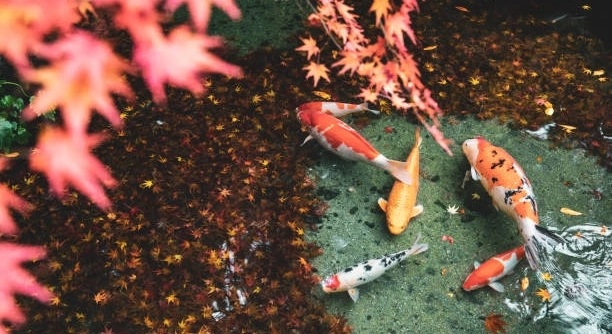
Koi fish are well-known for their calm and graceful presence in ponds and gardens. They often swim quietly but sometimes show more social behavior around people or other fish. These moments reveal a different side of their nature.
Koi fish become most social during feeding times, when they recognize caretakers, in warmer weather, during breeding seasons, when they are curious about changes in their environment, when seeking warmth, and while interacting with other koi or pets.
Understanding these social behaviors can help koi owners better connect with their fish and create a more engaging environment for them.
When Koi Fish Gather for Feeding
Koi fish are most social when it comes to feeding time. They quickly learn to recognize the person who feeds them and often swim close to the surface, eagerly waiting for food. This behavior is a clear sign of their trust and recognition. During feeding, koi become lively and active, sometimes even nudging each other to get a bite. They can be quite playful, splashing water or following each other closely. The social interaction around feeding not only shows their natural instincts but also builds a bond with their caretaker. This is one of the easiest moments to observe koi fish being social. It is important to feed them at regular times to maintain this routine, which helps the fish feel secure and engaged. Their excitement during feeding is a natural way of showing social behavior in their calm pond environment.
This social behavior is mostly about food and comfort.
Feeding time turns koi ponds into lively spots, encouraging interaction among the fish and between fish and their owner. Watching them during these moments helps deepen the understanding of their social nature and strengthens the connection between humans and koi.
Warm Weather Boosts Social Activity
Koi fish tend to become more social during warm weather.
When the water temperature rises, koi become more active and energetic. Warmer water stimulates their metabolism and encourages them to swim more freely. This increased movement often leads to more interaction between individual fish. They swim in groups, sometimes chasing each other playfully, which is less common in colder seasons. Warmth also encourages koi to explore their environment more, which can mean swimming near the surface or investigating new objects in the pond. These behaviors show that koi are responsive to their surroundings and enjoy social contact when conditions are favorable. If the pond is shaded or cold, koi usually rest more and keep to themselves. Providing a warm, stable environment helps promote their natural social habits and keeps them healthy and happy throughout the seasons.
Recognition of Caretakers
Koi fish quickly recognize the people who feed and care for them. This recognition builds trust and increases their social interaction.
Once koi associate a person with food and safety, they often approach eagerly when that person is near the pond. This behavior shows their ability to remember and respond to familiar faces. It also means they can be trained to come when called or swim close to the surface for feeding. This connection makes koi more interactive and responsive in their environment, helping owners enjoy watching their behaviors up close.
This recognition encourages koi to seek social contact and reduces stress. Fish that trust their caretakers are calmer and more active, showing natural curiosity and friendliness. It also helps owners feel more connected to their koi, making care routines more rewarding.
Social Behavior During Breeding Season
During breeding season, koi become much more active and social with each other. This period involves increased chasing and interaction among males and females.
Male koi become more aggressive as they pursue females for spawning. They chase and nudge females to encourage egg-laying. This behavior can seem intense but is natural for reproduction. The pond becomes a busy place, with many koi swimming close together and showing more rapid movement. This social behavior is important for the continuation of the species and highlights a very active time in koi life.
The heightened activity during breeding season is a sign of healthy fish responding to their natural instincts. It also means owners should watch for stress and provide extra care, such as clean water and hiding spots, to support the koi through this busy time.
Curiosity About New Objects
Koi fish often become social when new objects are placed in their pond.
They swim around and inspect unfamiliar items closely, showing their natural curiosity. This behavior encourages movement and interaction among the fish.
Seeking Warmth Together
Koi sometimes gather in warmer areas of the pond, especially during cooler days.
These spots become social hubs as the fish enjoy the comfort of warmer water. This behavior helps them conserve energy and stay active.
Interaction with Other Pets
Koi fish can show social behavior when other pets, like ducks or turtles, visit their pond.
They may swim closer and observe these new companions, sometimes following their movements. This interaction adds another layer of social engagement in their daily life.
Why do koi fish become more social during feeding times?
Koi fish become more social during feeding because they associate feeding with a positive experience. They quickly learn to recognize the person who provides food and gather eagerly at the surface. This behavior is driven by hunger but also by trust and routine. Feeding time encourages interaction not just between the fish and their caretaker, but also among the koi themselves, as they compete and communicate over the food. This social activity stimulates their minds and bodies, making feeding a key moment for koi to express natural behaviors.
How does water temperature affect koi social behavior?
Water temperature plays a major role in koi activity levels. When the water is warm, koi metabolism speeds up, making them more energetic and social. They swim more actively, explore their surroundings, and interact with one another. Cooler water slows their metabolism, so they rest more and keep to themselves. Maintaining a stable, warm temperature helps keep koi healthy and encourages natural social behavior. Seasonal changes often reflect in how much koi choose to engage with each other or with their environment.
Can koi fish recognize their owners?
Yes, koi fish can recognize their owners. They learn to associate a person with food and safety over time. This recognition leads them to swim toward the caretaker during feeding or when the person approaches the pond. This memory and recognition show that koi have good learning abilities and can develop trust. It also creates a stronger connection between koi and their owners, making daily care and interaction more rewarding.
What happens to koi social behavior during breeding season?
During breeding season, koi become very active and social. Males chase females aggressively to encourage spawning, which leads to more movement and interaction. This behavior is natural and important for reproduction. The pond becomes busy with rapid swimming and close contact among fish. Owners should be aware that breeding season can be stressful for koi and provide extra care, such as clean water and shelter, to support their health during this time.
Why do koi fish gather around new objects in their pond?
Koi are naturally curious animals. When a new object is introduced, they swim close to inspect it carefully. This curiosity leads to increased movement and social interaction as the fish explore together. New objects stimulate their environment, preventing boredom and encouraging natural behaviors like investigation and play. Adding safe, interesting items to the pond can help keep koi engaged and active.
Do koi fish prefer to be in groups or alone?
Koi are social creatures that prefer to live in groups. Being in a group provides safety and comfort, and it encourages natural social behaviors such as swimming together and interacting. Koi in groups tend to be more active and healthy than those kept alone. Social contact helps reduce stress and promotes better overall wellbeing for these fish.
How do koi fish interact with other animals in the pond?
Koi often show interest in other pond animals like turtles, ducks, or frogs. They may swim closer and follow these animals, showing curiosity and mild social behavior. While koi mainly interact with their own kind, these cross-species encounters add variety to their environment and can stimulate their social instincts. However, koi usually keep a peaceful distance and do not show aggression toward other pond creatures.
What signs indicate koi fish are stressed during social interactions?
Signs of stress in koi include hiding more often, reduced movement, loss of appetite, and sometimes aggressive behavior toward other fish. During breeding season or when new fish are introduced, koi may show tension. Poor water quality or overcrowding can also increase stress levels. Watching for these signs helps owners take action quickly, ensuring koi remain healthy and comfortable in their social environment.
Can koi fish be trained to come when called?
Koi can be trained to respond to cues, especially related to feeding. With consistent routines, they learn to associate a sound or presence with food and swim to the surface when called. This training is a result of their recognition skills and desire for food. While not as quick as some pets, koi respond well to patience and regular interaction.
How can pond owners encourage social behavior in koi?
Encouraging social behavior involves providing a comfortable, stable environment with clean water and enough space for the koi to swim freely. Feeding routines help build trust and interaction. Adding natural hiding spots and occasional new objects can stimulate curiosity and play. Keeping koi in groups supports social needs. Monitoring water temperature and quality ensures the fish remain healthy and active, naturally encouraging social interaction.
Koi fish show social behavior in many different ways, and understanding these moments helps us care for them better. Their social nature comes out most clearly during feeding times, warmer weather, breeding seasons, and when they are curious about changes in their pond. They can also recognize the people who care for them, which builds trust and makes interactions more meaningful. Watching koi become social is a reminder that these fish are not just decorative, but living creatures with their own ways of communicating and connecting. Paying attention to these behaviors helps ensure koi live in a healthy, engaging environment.
It is important to remember that koi need a comfortable space and proper care to show their best social behaviors. Water quality, temperature, and the right pond size all affect how active and social koi will be. Keeping water clean and maintaining a stable temperature encourages koi to swim, explore, and interact more often. Social behavior also changes throughout the year, especially during breeding season when koi become more active and sometimes aggressive. Knowing when koi are more social and why can help pond owners give extra care when needed and create a better habitat for their fish.
Overall, koi fish are more than just beautiful animals in a pond. Their social behavior reflects their natural instincts and need for interaction. By observing and supporting these behaviors, owners can enjoy a deeper connection with their koi and provide a better life for them. These social moments bring a special energy to koi ponds, making them lively and interesting places. Understanding and respecting koi social habits helps everyone involved — both the fish and the people who care for them.

Hello,
If you enjoy the content that we create, please consider saying a "Thank You!" by leaving a tip.
Every little bit helps us continue crafting quality advice that supports the health, happiness, and well-being of pets around the world, for pets of all shapes, sizes, and species.
We really appreciate the kindness and support that you show us!