
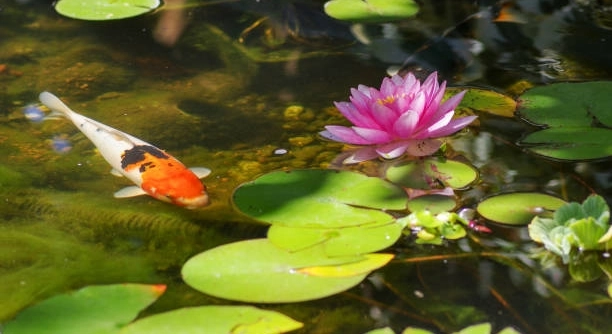
Koi fish are known for their graceful movements in ponds and water gardens. Watching them swim can be calming and beautiful. Sometimes, koi gather and circle a single object in their environment.
Koi circle a single object as a social or environmental behavior, often to investigate or establish dominance. This circling can help koi assess unfamiliar items or reinforce group dynamics within their habitat.
This article explores the reasons behind this curious behavior and what it means for koi keepers and enthusiasts. Understanding this can deepen your appreciation for these fascinating fish.
Why Koi Circle Objects in Their Pond
Koi fish often circle objects in their pond to gather information about their surroundings. This behavior helps them understand if the object is a threat, food, or just something new in their environment. When koi encounter an unfamiliar item, they swim around it carefully, checking it from all sides. This cautious approach is part of their natural instinct to stay safe. Circling also allows koi to communicate with each other. They may be showing curiosity or asserting dominance by swimming close to an object in a group. This behavior can be seen more often when the pond environment changes, such as adding new decorations or plants. It is common for koi to be especially interested in anything that stands out or disrupts the usual layout of their habitat. Observing this can be a simple way to understand how koi react to change and interact socially.
Circling is a method koi use to stay aware and connected with their environment and each other.
Watching koi circle objects can help you notice changes in their behavior or pond conditions. It also offers insight into their natural instincts and social habits. This knowledge can be useful for maintaining a healthy and engaging pond for your fish.
How Environment Affects Koi Circling Behavior
Changes in the pond environment often trigger koi to circle objects more frequently. New decorations, plants, or even shifting water currents can catch their attention. When something unfamiliar appears, koi use circling to inspect and decide if it is safe. They rely on this behavior to adapt to new conditions quickly. If the object is accepted, the circling usually stops after a while. However, if koi feel unsure or threatened, they may continue to circle or even avoid the object. Water quality, temperature, and the number of fish in the pond also impact how often koi exhibit this behavior. A well-maintained environment with plenty of space reduces stress and limits obsessive circling. Recognizing these factors helps you create a pond that supports natural, calm koi behaviors.
Koi circling behavior is a direct response to changes or disturbances in their habitat.
Maintaining stable conditions in the pond reduces excessive circling and helps koi feel secure. It encourages a peaceful environment where fish can focus on swimming, feeding, and socializing rather than constant inspection of objects.
Social Behavior Behind Koi Circling
Koi often circle objects as part of their social interaction. This behavior helps them establish pecking order and communicate with other fish. It’s a way to show curiosity and sometimes mild competition within the group.
Circling can indicate koi are testing their environment together. When a new object is introduced, multiple fish may circle it to share information and observe each other’s reactions. This behavior can strengthen social bonds and reduce aggression by setting clear roles in the group. Watching how koi interact during these moments reveals much about their social structure and how they cooperate in a shared space.
In some cases, circling may also be a way for koi to signal readiness for mating or to express dominance. This subtle communication helps maintain balance within the pond, avoiding fights and encouraging peaceful coexistence.
Impact of Objects on Koi Behavior
Objects in the pond influence koi behavior significantly. They attract attention and can stimulate natural instincts like curiosity, caution, or even playfulness. The size, shape, and placement of an object affect how koi respond.
Sharp or unfamiliar objects may cause koi to be wary and circle more often, while smooth, colorful decorations might invite gentle exploration. The presence of plants or hiding spots near an object can also change koi’s reactions, making them feel safer. Regularly changing the pond’s layout may increase circling as koi adjust to new conditions. Understanding these effects allows for better pond management, ensuring koi stay comfortable and engaged. Monitoring their response helps detect stress or discomfort early, which is important for maintaining a healthy environment.
Common Objects That Attract Koi Circling
Koi often circle plants, rocks, and decorations in their pond. These objects stand out and draw their attention quickly.
They also circle around food or anything that smells different in the water. These are common triggers for their circling behavior.
How Feeding Habits Influence Circling
Feeding times often cause koi to circle objects, especially when food is nearby. Koi are naturally drawn to areas where they expect to find something to eat. This can include floating feeders, feeding rings, or spots where food tends to gather. Circling during feeding can be a way for koi to compete for access or to explore the best spot for feeding. When koi feel confident about their food source, circling may become less frequent. However, changes in feeding routine or diet can increase circling as they investigate and adapt.
Seasonal Changes and Circling
Koi circling may increase during spring and fall when water temperatures shift and their activity levels change.
Why do koi circle a single object repeatedly?
Koi circle objects to investigate them thoroughly. This behavior is a way to gather information about something new or unusual in their environment. They use circling to check if the object is safe or possibly food. It is also a social action, where koi communicate with each other while exploring. Circling helps koi stay aware of changes and maintain their safety in the pond.
Is circling a sign of stress or illness in koi?
Circling alone is not usually a sign of illness. It is normal behavior when koi encounter something new. However, if circling becomes obsessive or is combined with other signs like lethargy, loss of appetite, or unusual swimming patterns, it could indicate stress or health problems. In such cases, checking water quality and overall pond conditions is important to ensure the koi are healthy.
Can koi circling damage the pond or decorations?
Generally, koi circling does not harm the pond or decorations. Koi are gentle swimmers, and their movements are unlikely to cause damage. However, if decorations are loose or fragile, frequent circling might shift or disturb them over time. Ensuring that pond objects are securely placed will help avoid any accidental damage caused by curious koi.
How can I reduce excessive circling behavior in my koi?
To reduce excessive circling, try to keep the pond environment stable and predictable. Avoid making frequent changes to decorations or plants. Maintain good water quality and provide enough space for koi to swim freely. Feeding routines should be consistent, and stress factors like overcrowding should be minimized. Providing hiding spots and comfortable surroundings helps koi feel secure, reducing the need to circle objects repeatedly.
Do all koi circle objects, or is it specific to some?
Most koi will circle objects, but some individuals are more curious or dominant and may do it more often. Personality and group dynamics influence this behavior. Some koi prefer to explore actively, while others are more reserved. The size of the group and pond conditions also play a role in how frequently koi circle objects.
Is circling related to koi mating behavior?
Circling can be part of koi mating behavior but usually looks different from simple object investigation. During mating season, koi often swim closely together, chasing and nudging each other. Circling an object might be a side behavior linked to social interaction but is not a direct sign of mating. Observing other behaviors alongside circling can help clarify if mating is occurring.
Can koi circling indicate dominance or territory?
Yes, circling can be a way koi assert dominance or establish territory. By swimming repeatedly around an object, a koi may be signaling control over that area or showing confidence to other fish. This behavior helps maintain social order in the pond and can reduce direct conflicts among koi.
Should I remove objects that koi circle frequently?
Removing objects is not usually necessary unless the circling causes stress or aggressive behavior. If an object causes koi to act overly nervous or fight over it, consider repositioning or replacing it. Otherwise, these objects provide stimulation and enrichment, which are good for koi mental health.
How long do koi typically circle an object?
The time koi spend circling an object varies. They might circle for a few minutes when something is new and lose interest once they decide it’s safe or not food. If the object remains unusual, circling can continue longer but usually fades as koi get used to it. Persistent circling may signal environmental stress or discomfort.
Can koi circling behavior change as they age?
Koi behavior can change with age. Younger koi tend to be more curious and active, so they may circle objects more frequently. Older koi might become calmer and less interested in exploring. However, individual personality plays a big role, so some older koi remain playful and curious throughout their lives.
Koi circling a single object is a common and natural behavior. It is mostly a way for them to explore and understand their environment. When koi swim around something, they are gathering information to decide if it is safe or interesting. This circling can also be part of their social interactions with other koi in the pond. Watching this behavior helps us learn more about how koi think and react to changes around them.
The objects that koi circle vary from plants and rocks to decorations or even spots where they expect food. Changes in the pond, like new items or water conditions, can make koi circle more often. This behavior is usually harmless and shows their curiosity and need to feel secure. It is important to keep the pond stable and comfortable so koi do not feel stressed. Stable feeding routines, good water quality, and enough space help reduce any excessive circling that may be linked to anxiety or discomfort.
Understanding koi circling helps pond owners take better care of their fish. Instead of worrying when they see koi swim in circles, it is good to observe the context and other behaviors. Circling is a way koi communicate, explore, and stay safe. By providing a healthy and calm environment, koi can live happily and show natural behaviors without stress. This knowledge makes watching koi more enjoyable and helps create a better home for these beautiful fish.

Hello,
If you enjoy the content that we create, please consider saying a "Thank You!" by leaving a tip.
Every little bit helps us continue crafting quality advice that supports the health, happiness, and well-being of pets around the world, for pets of all shapes, sizes, and species.
We really appreciate the kindness and support that you show us!