
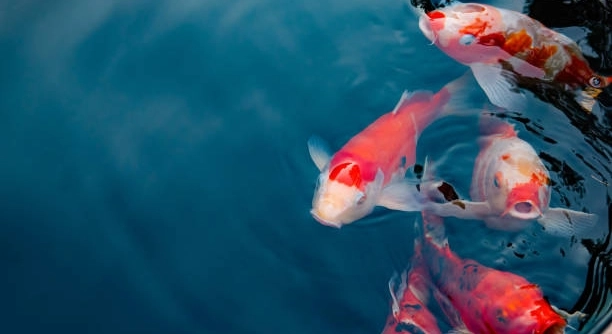
Koi fish are known for their graceful movements and vibrant colors. Sometimes, though, they choose to stay still and silent in their ponds. This quiet behavior can be just as meaningful as their lively swimming.
Koi choose silence over movement for various reasons, including resting, conserving energy, responding to environmental changes, or avoiding stress. This stillness is a natural behavior that supports their well-being and survival in their habitat.
Understanding why koi remain still at times helps us appreciate their subtle behaviors and care for them better in our ponds and gardens.
Resting in Stillness
Koi often choose silence to rest after periods of active swimming. Like many animals, they need moments to recover energy, especially during warmer days when their metabolism slows down. Resting near the bottom or under plants provides them safety and comfort. This behavior is natural and important for their health. Observing koi quietly floating or gently staying in one place shows they are taking time to recharge. It is also common during the night or cooler weather when koi are less active. Providing a calm environment in the pond encourages this healthy resting behavior.
This resting phase helps koi maintain their strength and supports overall well-being. It is a peaceful time that keeps their bodies balanced.
When koi rest, they may seem inactive, but it’s part of their natural rhythm. Giving them space and avoiding sudden disturbances helps them feel secure and promotes longer periods of calm silence.
Responding to Environmental Changes
Koi respond to shifts in water temperature, light, and quality by reducing movement. Sudden changes can make them still as a survival tactic.
Changes in the pond environment directly affect koi activity. When water temperature drops, koi slow down to conserve energy because their metabolism depends on warmth. Poor water quality, such as low oxygen or high waste levels, can also cause koi to remain quiet and inactive. This silence helps them avoid unnecessary energy use and stress. Koi may hide among plants or stay near the pond’s bottom, where conditions feel safer. It’s important to monitor pond health regularly to ensure water parameters stay stable. Clear, clean water with balanced temperature encourages koi to swim freely and stay lively. Watching for moments when koi stop moving can signal changes needing attention. Proper care and maintenance allow koi to thrive and reduce long silent periods caused by environmental stress.
Avoiding Stressful Situations
Koi often stay still to avoid stress caused by loud noises or sudden movements near their pond. This behavior helps them feel safe.
When koi sense danger or disturbance, they tend to reduce movement and remain quiet. Loud sounds, shadows, or quick actions near the water can startle them. Staying still minimizes attention from predators and lowers their stress levels. This silent behavior is a natural way to protect themselves. Creating a calm environment around the pond helps koi feel secure and reduces these freezing moments.
Consistent peaceful surroundings encourage koi to swim confidently instead of hiding. Avoiding sudden changes around the pond is key to supporting their comfort and reducing stress-induced silence.
Conserving Energy During Winter
Koi slow down significantly in colder months to save energy, often remaining still for long periods. This is a survival mechanism.
During winter, koi metabolism drops because they are cold-blooded. Their bodies require less energy, so they move very little to conserve resources. They often settle at the pond’s bottom where the temperature is more stable. Movement becomes minimal, and koi enter a state similar to hibernation. This quiet stillness helps them survive harsh conditions until warmer weather returns. It’s important not to disturb them during this time, as unnecessary activity can waste their limited energy. Maintaining a well-managed pond with proper depth supports koi through these long, silent periods. This calm phase is a natural part of their yearly cycle.
Resting Near Shelter
Koi often choose to stay still near rocks, plants, or pond edges where they feel safe. These sheltered spots offer protection from predators and strong currents.
Staying close to cover reduces stress and gives koi a quiet place to rest. It’s a natural behavior to seek comfort in familiar surroundings.
Healing from Injury
When koi are hurt or sick, they tend to remain motionless to focus energy on healing. Moving less helps prevent further damage and reduces stress on their bodies.
Keeping koi in a calm environment during recovery supports faster healing. Quiet and stillness are key parts of their self-care.
Observing Their Environment
Sometimes koi stay still to carefully watch what is happening around them. This helps them detect potential threats or food sources without drawing attention.
By being silent and still, koi can better assess their surroundings before deciding to move.
FAQ
Why do koi sometimes stay completely still for long periods?
Koi remain still for several reasons, such as resting, conserving energy, or feeling safe. It’s natural for them to slow down or stop moving, especially during cold weather or after being active. This stillness allows them to recover and avoid unnecessary stress.
Is it normal for koi to stop swimming during winter?
Yes, koi slow their metabolism in cold months, which means they move less to save energy. They often rest near the pond bottom, where the water is warmer and more stable. This behavior is a survival mechanism to help them endure the cold season.
Can stillness in koi indicate illness?
Sometimes, koi staying still can signal health problems, especially if combined with other signs like loss of appetite, clamped fins, or visible wounds. If koi remain motionless for very long periods or behave unusually, it’s best to check water quality and consult a vet or koi expert.
Do koi hide when they feel threatened?
Yes, koi often seek shelter and stay still to avoid predators or loud disturbances. Hiding near plants, rocks, or pond edges helps them feel secure and lowers stress. This quiet behavior is a natural defense mechanism.
How can I tell if koi are resting or sick?
Resting koi will appear calm but healthy, with smooth breathing and normal coloration. Sick koi may look lethargic, have damaged fins, or show other unusual behaviors. Monitoring their eating habits and overall appearance helps distinguish rest from illness.
Should I try to make koi swim if they stay still too long?
No, forcing koi to move can cause stress or injury. It’s important to let them rest naturally and ensure their environment is comfortable. If stillness seems excessive or unusual, check water conditions or seek professional advice.
Does water quality affect koi activity?
Absolutely. Poor water quality, like low oxygen or high waste, can cause koi to reduce movement and stay still. Maintaining clean, balanced water encourages healthy swimming and reduces silent, inactive periods.
What role does temperature play in koi movement?
Temperature directly influences koi metabolism. Warm water encourages activity, while cold water slows them down. Sudden temperature changes can cause koi to stop moving temporarily as they adjust.
Can koi communicate through stillness?
Koi don’t communicate like mammals but their behavior, including stillness, can signal feelings like stress or safety. Observing their movement patterns helps understand their well-being.
Is it normal for koi to rest during the day?
Yes, koi sometimes rest quietly during the day, especially when the sun is strong or the pond is calm. This downtime is part of their natural routine to maintain energy and health.
How long can koi stay still without problems?
Koi can remain still for hours or even days when resting or in cold conditions. Prolonged stillness beyond this may indicate stress or illness and requires attention.
What can I do to encourage koi activity?
Providing clean water, proper feeding, and a safe environment encourages koi to swim actively. Avoiding sudden noises and disturbances also helps them feel comfortable moving around.
Do koi prefer quiet environments?
Koi thrive in calm, quiet settings where they feel secure. Excessive noise or sudden movement can cause them to freeze or hide, so a peaceful pond area is best for their well-being.
Can koi get bored if they stay still too much?
Koi don’t experience boredom like humans but need stimulation through their environment. Variety in plants, hiding spots, and gentle current can encourage natural behaviors, including swimming.
What signs show koi are comfortable in their pond?
Comfortable koi swim smoothly, feed regularly, and show bright colors. They may rest quietly but won’t hide constantly or act stressed. Balanced water conditions support this healthy behavior.
These FAQs cover common reasons koi choose silence over movement and help better understand their natural habits and needs.
Koi fish are fascinating creatures, and their choice to stay silent and still at times is a natural part of their behavior. They do this for many reasons like resting, conserving energy, feeling safe, or reacting to changes in their environment. This stillness is not something to worry about most of the time. Instead, it shows how koi take care of themselves and adjust to their surroundings. Watching koi in these quiet moments can give you a better understanding of their needs and how they live in the pond.
It’s important to remember that koi need calm and balanced conditions to feel comfortable. Changes in water temperature, quality, or sudden disturbances can make them stop moving for a while. Providing a peaceful environment with clean water, proper shelter, and steady temperature helps koi stay healthy and active. When koi stay still longer than usual, it’s a good idea to check the pond conditions or look for signs of illness. However, normal silent periods often mean they are simply resting or conserving energy. Knowing when koi silence is normal or a sign of trouble helps you care for them better.
Overall, koi silence is part of their natural rhythm. Whether they are resting after swimming, hiding from stress, or slowing down in cold weather, these moments are essential for their survival and well-being. Taking time to observe and respect these quiet behaviors will deepen your connection to these beautiful fish. With proper care and attention, koi will thrive, moving freely when they feel ready, and choosing stillness when they need peace.

Hello,
If you enjoy the content that we create, please consider saying a "Thank You!" by leaving a tip.
Every little bit helps us continue crafting quality advice that supports the health, happiness, and well-being of pets around the world, for pets of all shapes, sizes, and species.
We really appreciate the kindness and support that you show us!