
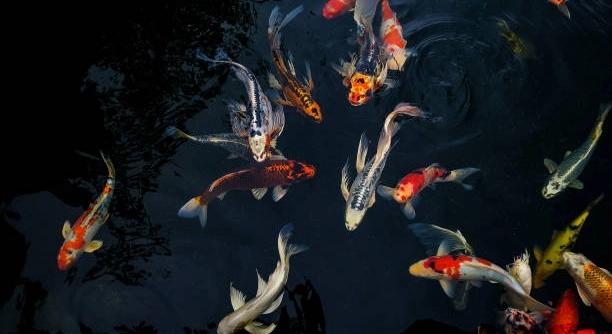
Koi fish are known for their beauty and calm nature. They often swim together peacefully in ponds and gardens. Sometimes, they show protective behaviors toward each other that reveal more about their social bonds.
Koi act protective toward one another through behaviors such as shielding weaker fish, alerting the group to danger, and maintaining close physical proximity. These actions help ensure safety and reinforce social cohesion within their groups.
These moments of care offer a glimpse into how koi interact beyond just swimming side by side. Understanding these behaviors can deepen appreciation for their complex social lives.
Koi Shielding Weaker Fish
Koi often protect weaker or smaller fish in their group by positioning themselves between potential threats and the vulnerable fish. This behavior helps reduce stress and injury risks for the weaker members. You might notice a larger koi swimming close to a smaller one or circling around it when other fish or disturbances are nearby. This kind of protective positioning is not accidental; it reflects the koi’s instinct to keep their group safe and maintain harmony. Such care is especially important in ponds with many fish, where competition and risk can be higher. Observing this behavior can be quite touching because it shows koi are more than just beautiful swimmers—they are attentive to their companions’ wellbeing and ready to step in when needed.
This shielding is a subtle but clear sign of koi’s social awareness and care for their group.
The way koi protect weaker fish highlights their natural tendency to create a safer environment. This behavior may also help reduce injuries and increase the chances of survival for smaller or less confident fish. The koi’s instinct to guard others makes the pond a more balanced place where fish can coexist peacefully. It’s interesting how this protective act strengthens their social bonds, which can contribute to better overall health for the group. Watching koi engage in this behavior adds depth to how we understand their interactions and shows their social intelligence beyond what is visible at first glance.
Alerting the Group to Danger
Koi often use sudden movements or changes in swimming patterns to warn others when danger approaches.
When koi sense a threat, such as a predator or sudden disturbance, they quickly change direction or speed. This action serves as a warning signal to the rest of the group, allowing others to react and hide. Such alert behavior is essential for group survival in the wild or even in a garden pond. The alert system keeps all members aware and prepared, showing koi can communicate through movement and body language rather than sounds. This method is effective because koi rely heavily on visual cues to stay safe.
Alerting one another allows koi to work as a team, ensuring everyone remains cautious and responsive to their environment. It’s a natural defense that highlights their cooperation and social connection. Observing koi respond to potential danger with alert signals can make you appreciate their instincts and how they protect each other in subtle but meaningful ways. It’s a reminder that koi have complex social behaviors that serve a practical purpose, not just for themselves but for the whole group’s safety.
Maintaining Close Physical Proximity
Koi tend to swim close together, especially when feeling threatened or uncertain. This closeness helps them feel safer and supports group bonding.
Swimming near each other is a way koi protect themselves from predators or sudden changes in their environment. By staying close, they reduce the chance of any one fish being singled out. This behavior also strengthens their social connections, creating a sense of security among the group. Close proximity allows koi to quickly respond to each other’s movements and share warning signals more effectively. It’s a simple but powerful way for koi to support one another and stay alert as a group.
This natural tendency to stick together shows koi rely on teamwork for safety. Their group swimming patterns reflect a balance of trust and mutual protection. When koi are close, they are less vulnerable and more confident. It’s fascinating to see how their movements demonstrate social care in a way that benefits the entire pond community. This closeness also encourages a peaceful environment where koi feel secure and comfortable.
Protective Positioning During Feeding
During feeding time, koi often position themselves in ways that protect others from being pushed aside.
Koi exhibit protective behavior by allowing smaller or weaker fish to access food without aggression from larger fish. This can be seen when a stronger koi holds back or moves gently around others, preventing crowding or bullying. Such positioning helps maintain harmony and reduces stress during competitive moments like feeding. By moderating their movements, koi show awareness and respect toward their companions. This behavior promotes fairness and keeps the group balanced, especially in shared spaces.
Protective positioning during feeding also helps avoid fights that could cause injuries or tension in the pond. When koi look out for one another in this way, it creates a calmer and more cooperative environment. The way koi adjust their behavior to protect others during meals reflects their social sensitivity and the importance they place on group wellbeing. Observing koi feed peacefully reveals how these fish naturally work together, making the feeding process smoother and safer for everyone. This caring behavior benefits both individual fish and the group as a whole.
Circling to Defend Territory
Koi often circle around their space to warn others to keep away. This behavior helps protect their territory from intruders or strangers.
By swimming in tight loops, they show clear boundaries. This protects their safe zone without needing to fight.
Helping Injured Companions
Koi sometimes stay close to injured fish, offering protection and support until they recover. This care helps reduce stress and allows healing.
When a koi is hurt, others often keep nearby to shield it from harm. This social support shows their natural tendency to care for each other in difficult times.
Staying Calm Together
Koi often stay calm and close during storms or disturbances, relying on each other for reassurance.
This calmness helps reduce panic and keeps the group safe from sudden threats.
Why do koi act protective toward each other?
Koi act protective toward each other because they are social animals that rely on group safety. In the wild and in ponds, being alert and supportive improves their chances of survival. Protecting weaker or injured fish, alerting others to danger, and staying close together are natural behaviors that help maintain balance and reduce risk. These actions also reduce stress among the group, creating a calmer environment. Protection is not just about defense—it strengthens social bonds and helps koi live more peacefully together.
How do koi show protection without aggression?
Koi show protection mainly through subtle movements rather than aggressive behavior. Instead of fighting, they swim near vulnerable fish, circle to mark territory, or change their swimming speed to warn others. These gentle signals help avoid conflicts and promote harmony. Even during feeding, koi will sometimes let smaller fish eat first by adjusting their position. Their protective actions focus on cooperation and communication rather than dominance, which keeps the group stable and less stressed.
Can koi recognize each other and form social bonds?
Yes, koi can recognize each other and form social bonds. They remember familiar companions and often swim in groups with consistent members. This recognition supports their protective behaviors, as koi are more likely to guard or alert those they know. Social bonds help koi reduce stress and stay safer, especially when predators or disturbances appear. Their group swimming and mutual care show a level of social awareness that is important for their wellbeing.
What are common signs koi use to warn others about danger?
Koi use sudden changes in swimming speed or direction to warn others about danger. Quick movements, darting away, or tight group formations are signals that something is wrong. These visual cues prompt the whole group to become alert and take protective action. Since koi cannot vocalize warnings, their body language is key to keeping the group informed. These signals also encourage koi to stay close and protect one another more effectively.
Do koi always protect weaker fish or only sometimes?
Koi tend to protect weaker or smaller fish most of the time, especially when the group feels threatened or stressed. However, protection varies depending on the situation. During calm times, koi may swim more freely without close guarding. When danger or competition increases, protective behaviors become stronger. This flexible approach helps koi balance safety and normal activity, allowing weaker fish more chance to survive without constantly being restricted.
How does protective behavior affect koi health?
Protective behavior positively impacts koi health by reducing stress and preventing injuries. When koi watch out for each other, weaker or injured fish get a chance to heal without added threats. Lower stress means better immune function and less chance of disease. Group cohesion also ensures koi share resources more fairly, avoiding harm from aggression. Overall, protection creates a healthier and more stable environment for koi to thrive.
Is it normal for koi to help injured companions?
Yes, it is normal for koi to help injured companions by staying close and offering protection. This behavior lowers stress on the injured fish and keeps predators or stronger koi from causing further harm. Though koi don’t heal each other directly, their presence creates a safer space for recovery. This shows that koi have natural social support mechanisms that benefit the whole group’s wellbeing.
How can koi owners encourage protective behavior in their pond?
Koi owners can encourage protective behavior by keeping the pond environment calm and spacious. Avoid overcrowding and sudden changes that cause stress. Providing plenty of hiding spots and clean water helps koi feel safe and secure, promoting natural social interactions. Feeding should be regular and gentle to prevent competition. When koi feel comfortable, they are more likely to show protective actions naturally.
Do protective behaviors differ between koi and other fish?
Yes, protective behaviors can differ between koi and other fish species. Koi have distinct social patterns and often show more group cohesion and gentle protection. Some fish are more territorial or aggressive, while koi lean toward cooperation. Their protective actions focus on non-aggressive support and alert signals, which might not be seen as clearly in other species. Understanding these differences helps koi owners provide the best care.
Can stress or poor conditions reduce protective behavior in koi?
Stress and poor conditions can reduce protective behavior in koi. When water quality is low or the environment is crowded, koi focus more on survival and may become aggressive or withdrawn. This reduces their social bonds and willingness to protect others. Keeping the pond clean, well-maintained, and calm supports healthy social behavior, including protection. Stress-free koi show stronger group care and safer interactions.
Koi fish show many ways they protect each other in their daily lives. From staying close to warning about danger, their behavior reflects a natural desire to keep the group safe and peaceful. This protection helps koi avoid harm and feel more secure in their environment. Watching these moments can give us a better understanding of how social and caring these fish really are. It also reminds us that koi are more than just beautiful animals—they have complex ways of interacting with each other.
The protective actions koi take are important for their health and wellbeing. When koi guard weaker or injured members, it reduces stress and the risk of injury. Alerting the group to threats helps all fish stay safe. Even during feeding times, koi often adjust their behavior to keep things fair and calm. These natural behaviors create a balanced community where koi can live happily together. For anyone caring for koi, understanding these protective traits can help create a better pond environment.
Overall, koi protection is a sign of their strong social nature. They depend on each other to feel safe and to thrive. By respecting these behaviors and providing a peaceful habitat, koi owners can support the fish’s natural instincts. This leads to healthier koi and a more enjoyable pond to watch. Seeing koi protect each other offers a quiet but powerful lesson about cooperation and care in nature. It makes keeping koi a rewarding experience beyond their beauty alone.

Hello,
If you enjoy the content that we create, please consider saying a "Thank You!" by leaving a tip.
Every little bit helps us continue crafting quality advice that supports the health, happiness, and well-being of pets around the world, for pets of all shapes, sizes, and species.
We really appreciate the kindness and support that you show us!