
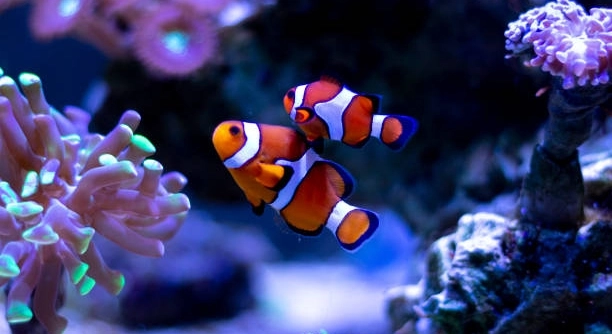
Clownfish are popular pets for many aquarium lovers because of their bright colors and lively movements. Watching them swim and interact can be very entertaining. However, some behaviors might seem strange or worrying to new owners.
Clownfish exhibit specific behaviors that are natural and important for their survival and social structure. These include territorial defense, cleaning rituals, and unique mating practices. Recognizing these actions as normal helps in providing proper care and avoiding unnecessary concern.
Understanding these normal behaviors will help you better appreciate your clownfish’s daily routines and ensure their well-being in your tank. This knowledge creates a more enjoyable and informed pet-keeping experience.
Territorial Behavior
Clownfish are very protective of their space. In the wild, they defend their home, usually an anemone, from intruders. At home in your tank, they may chase other fish or flare their fins to show dominance. This behavior is normal and shows they feel secure. Sometimes they seem aggressive, but it’s just their way of keeping their area safe. If you notice your clownfish swimming fast or acting restless, it may be because they are marking their territory or reacting to nearby fish. Make sure their tank has enough space and hiding spots to reduce stress. Providing a proper environment helps keep their territorial nature balanced without causing harm to other fish.
This protective behavior is a sign that your clownfish feels safe in its environment. It helps maintain the natural order within the tank.
Keeping their territory respected by other fish promotes a peaceful tank and healthy clownfish behavior overall.
Cleaning and Interaction Rituals
Clownfish often clean their anemones or the surfaces around them. This might look like nibbling or rubbing against objects. This behavior is part of their daily routine and helps keep their home healthy. In addition, clownfish sometimes interact closely with their tank mates. These actions can include gentle nudging or swimming together, which are normal social signals. Recognizing these routines helps avoid worrying about unusual actions. Cleaning and interaction play an important role in their well-being and social life.
Clownfish use these behaviors to maintain their habitat and build social bonds. Understanding these natural habits allows owners to better support their pets’ health.
Proper tank maintenance supports these behaviors, encouraging your clownfish to thrive. These rituals are signs of a healthy, active fish adjusting well to its environment. It’s helpful to observe these interactions as they reveal how comfortable your clownfish is. By providing a clean tank and compatible tank mates, you create an ideal setting for these behaviors to occur naturally. This not only benefits your clownfish but also improves the overall harmony in your aquarium. Watching these routines can deepen your connection with your fish and improve your care techniques.
Swimming Patterns
Clownfish often swim in quick bursts and sudden changes of direction. This is normal behavior reflecting their alertness and natural instincts. It might seem erratic, but it’s their way of exploring and reacting to their surroundings.
Their quick movements help clownfish avoid threats and establish dominance within their space. In a tank, this behavior can be more noticeable because of the limited environment. They may dart around when feeding or when other fish come close. These bursts of speed are also linked to their playful nature and curiosity. Watching these lively patterns can be quite entertaining, showing their energy and natural instincts in action.
Occasionally, clownfish may pause and hover near an anemone or rock, which is also part of their usual swimming routine. This resting phase balances their activity and helps them conserve energy. Understanding these swimming habits helps avoid worrying about sudden movements and shows you how active and alert your clownfish truly are.
Mating and Nesting Behavior
Clownfish engage in specific behaviors when preparing for mating, such as cleaning a chosen spot on the tank surface. This behavior is a sign that your clownfish are ready to reproduce.
During this time, they often become more territorial and protective of the nesting area. The female typically lays eggs on a flat surface near the anemone, which the male then tends to by fanning and cleaning them to keep them oxygenated and free from debris. This careful attention to the eggs is crucial for successful hatching and shows the strong parental instincts of clownfish.
Watching these behaviors gives insight into their natural reproductive cycle. It also shows the level of care clownfish provide for their offspring, making this period both fascinating and important for their health. Supporting this behavior with a clean tank and proper conditions can encourage successful breeding in captivity.
Flaring Fins
Clownfish flare their fins to appear larger and more intimidating. This is a natural response to potential threats or rivals in their territory.
Flaring is a way to communicate strength without engaging in actual fights. It helps maintain peace and balance among tank inhabitants.
Hiding Behavior
Clownfish often hide within anemones or behind rocks when feeling threatened or stressed. This behavior provides them with a sense of safety and security.
They rely on these hiding spots to avoid predators and reduce stress. A well-set tank with plenty of shelters supports their natural instincts.
Color Changes
Clownfish may change color slightly depending on age, mood, or health. These subtle shifts are a normal part of their development and environment adaptation.
Watching these changes can help monitor their well-being and adjust tank conditions if necessary.
FAQ
Why do clownfish chase other fish in the tank?
Chasing is part of their territorial behavior. Clownfish want to protect their space and keep other fish from getting too close. This behavior is normal and helps them feel safe. It may look aggressive, but it is their way of maintaining order in the tank.
Is it normal for clownfish to hide a lot?
Yes, hiding is natural when clownfish feel stressed or threatened. They use hiding spots like anemones or decorations to feel secure. If your clownfish hides too much, check water quality and tank mates, as these factors can cause stress.
Why do clownfish change color sometimes?
Color changes are common and can happen due to mood, age, or environment. A darker or lighter shade usually isn’t a problem. However, sudden or extreme color loss may signal illness and should be checked.
How often do clownfish clean their anemones?
Clownfish regularly clean their anemones or surroundings by nibbling and rubbing. This behavior helps keep their home free of debris and is part of their daily routine. It also strengthens the relationship between the fish and anemone.
Do clownfish need a mate to be happy?
Clownfish are social creatures and often do better with a partner. Having a mate can reduce stress and encourage natural behaviors like breeding and territory defense. However, they can also live alone if the tank is set up properly.
Why do clownfish swim in quick bursts?
Quick swimming bursts show alertness and natural instincts. Clownfish dart around to explore, avoid threats, or interact with other fish. This behavior is normal and indicates they are active and healthy.
Can clownfish live without an anemone?
Yes, clownfish can live without anemones in tanks. While anemones provide safety in the wild, clownfish adapt well to safe tank environments with plenty of hiding spots. Providing proper care and space is key.
How can I tell if my clownfish is stressed?
Signs of stress include hiding too much, loss of appetite, color fading, and unusual swimming patterns. Stress can come from poor water quality, aggressive tank mates, or lack of hiding places. Addressing these issues quickly improves their health.
What should I feed clownfish?
A balanced diet includes high-quality flakes, pellets, and frozen or live foods like brine shrimp or mysis shrimp. Feeding small amounts two to three times daily keeps them healthy and active.
Why do clownfish flare their fins?
Flaring fins is a way to show dominance or warn other fish to stay away. It’s a natural communication method to avoid fights by looking bigger and more threatening.
These answers cover common clownfish behaviors and care tips to help you understand and support your fish better. Observing your clownfish closely allows you to notice changes and respond accordingly, ensuring a healthy, happy environment for them.
Clownfish show many behaviors that might seem unusual at first, but most of these actions are completely normal. From defending their territory to cleaning their homes, these behaviors help clownfish stay healthy and safe. Understanding what is natural for clownfish makes it easier to care for them properly and enjoy watching them thrive in an aquarium. Recognizing these normal patterns reduces unnecessary worry and helps owners provide a better environment for their pets.
Taking the time to learn about clownfish behavior also improves the relationship between the owner and the fish. When you know why they act a certain way, such as flaring their fins or hiding, it becomes easier to read their needs. This understanding helps in making changes to the tank, like adding more hiding spots or adjusting water conditions, which can reduce stress for the fish. A calm and well-set aquarium supports healthier, happier clownfish.
Overall, keeping clownfish requires attention to their natural instincts and habits. Providing a safe space, a balanced diet, and clean water supports their well-being. Clownfish are fascinating creatures with unique behaviors that reflect their survival skills in the wild. By observing and respecting these behaviors, you create a peaceful environment where your clownfish can live comfortably and display their natural charm every day.

Hello,
If you enjoy the content that we create, please consider saying a "Thank You!" by leaving a tip.
Every little bit helps us continue crafting quality advice that supports the health, happiness, and well-being of pets around the world, for pets of all shapes, sizes, and species.
We really appreciate the kindness and support that you show us!