
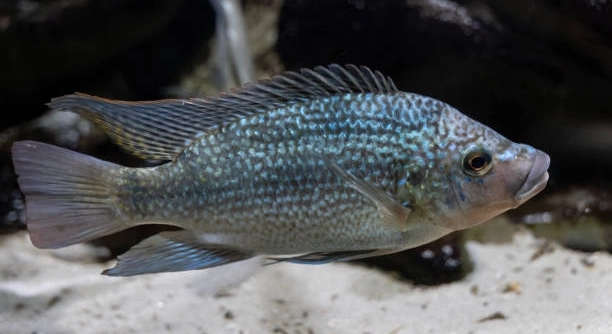
Cichlids can behave in unexpected ways when introduced to a new tank. Their actions often reflect both instinct and adaptation as they adjust to unfamiliar surroundings and establish territories among other fish.
Cichlids may display aggression, hiding, increased activity, or reduced appetite as they acclimate to new tanks. Changes in coloration, breeding behaviors, and social interactions are also common, indicating both environmental adaptation and stress responses in these fish.
Observing these behaviors closely helps ensure your cichlids settle in safely and remain healthy in their new environment.
Increased Hiding and Shyness
When cichlids are first placed in a new tank, many of them will hide more than usual. Rocks, plants, and decorations suddenly become their safe zones. This behavior is natural and often temporary. They are assessing the environment and potential threats. Some cichlids may stay in hiding for several hours, while others might take days. Lighting and tank placement also influence their comfort levels. If the tank is near movement or noise, shy cichlids may remain hidden longer. Over time, as they recognize the environment is safe, they will gradually explore. Providing multiple hiding spots can reduce stress and help them adapt more quickly. Watching this behavior gives insight into each fish’s personality and how they interact with the tank’s layout. Noticing patterns in hiding can help you anticipate how different cichlids respond to changes. It also ensures you don’t misinterpret hiding as illness.
Hiding is a normal response to stress and is usually temporary, especially when the tank setup is secure and quiet.
Creating a tank with varied terrain and shelters encourages cichlids to feel safe. Gradually, they will venture out more, revealing natural behaviors. Monitoring how often and how long they hide helps track their adaptation. Adjusting light and placement can make them more comfortable, and understanding their initial shyness improves long-term care.
Sudden Aggression
Some cichlids become noticeably more aggressive in a new tank. This is often linked to establishing territory and hierarchies. They may chase other fish, flare fins, or display dominant postures. Aggression can occur even among previously peaceful cichlids, especially when space is limited. Males are usually more prone to territorial behavior, while females may react if nesting sites are scarce. Tank size, décor arrangement, and population density play significant roles. Introducing cichlids to a tank gradually or rearranging decorations can sometimes reduce conflicts. Observing feeding and social interactions closely helps identify the intensity and triggers of aggression. While occasional skirmishes are normal, persistent aggression may require intervention. Separating highly aggressive individuals or providing more hiding areas ensures all fish remain safe. Consistent monitoring during the first few weeks is essential to prevent injuries. Adjustments in tank layout and careful observation usually balance behavior without needing medication or long-term separation.
Appetite Changes
Some cichlids may eat less or stop eating entirely when introduced to a new tank. Stress, unfamiliar surroundings, and changes in water conditions can all affect their appetite temporarily.
Appetite changes are a normal response to new environments. Fish may hide and refuse food until they feel secure. Different species adjust at different rates, with some resuming normal eating within hours, while others take several days. Temperature, water quality, and tankmates also influence feeding behavior. Offering small amounts of familiar food helps them gradually return to regular feeding patterns. Observing their eating habits gives insight into both stress levels and health.
Monitoring appetite closely ensures that any refusal to eat is not a sign of illness. Feeding smaller portions more frequently and maintaining clean water encourages gradual adjustment and helps maintain their energy levels.
Color and Pattern Shifts
Cichlids often display changes in coloration or patterns after moving to a new tank. Stress, mood, and environmental cues all influence these visual shifts. Fading or darkening can indicate discomfort, while vibrant colors may appear as confidence grows.
Color shifts reflect both psychological and physical adaptation. Dominant fish may intensify colors to assert control, while shy individuals may dull as a stress response. Lighting, décor, and water parameters play crucial roles in how colors appear. Seasonal or hormonal changes may also contribute. Tracking these changes helps assess whether the tank environment supports healthy behavior and reduces stress.
Regular observation and recording of these color changes help distinguish temporary adaptation from potential health issues. Adjusting lighting, providing proper hiding spaces, and ensuring stable water parameters encourage cichlids to regain their natural appearance and display normal social behavior.
Increased Activity
Cichlids often swim more actively when first introduced to a new tank. Exploring the space helps them understand their environment and locate territories.
This burst of activity is normal. Fish may dart around, investigate decorations, and test boundaries with other tankmates as they adjust to the new surroundings.
Breeding Behaviors
Some cichlids may show early signs of breeding in a new tank. Males can become more territorial, display brighter colors, and clean flat surfaces for potential spawning. Females may prepare nesting sites or pair off with males sooner than expected. These behaviors indicate that the fish are settling and responding to the environment. Breeding readiness can also be influenced by water conditions, temperature, and diet. Even if full spawning doesn’t occur immediately, observing these cues helps you understand their social structure and reproductive instincts. Providing safe areas and monitoring interactions ensures they can express natural behaviors without stress.
Interaction with Tankmates
Cichlids may change how they interact with other fish when first introduced. They often test boundaries and assert social hierarchies.
FAQ
Why is my cichlid hiding all the time?
Hiding is a natural response when cichlids are introduced to a new tank. Rocks, plants, and decorations offer safety, and shy fish may stay hidden until they feel secure. Lighting, tank placement, and frequent disturbances can make them remain in hiding longer. Providing multiple shelters helps reduce stress and encourages exploration. Most cichlids gradually come out on their own once they recognize the environment as safe. Monitoring hiding patterns ensures it is normal adjustment behavior rather than a sign of illness.
Why has my cichlid stopped eating?
A reduced appetite is common during the first days in a new tank. Stress from relocation, unfamiliar surroundings, or water changes can make fish less interested in food. Offering small, frequent portions of familiar food can help them resume normal eating. Water quality and temperature should also be checked to ensure they match the species’ needs. Some cichlids may take longer than others to adapt, but consistent feeding schedules and minimal disturbances usually restore regular appetite.
Why is my cichlid acting aggressive?
Aggression often emerges as cichlids establish territory and social hierarchy. Males tend to be more territorial, but females may react to limited nesting areas. Tank size, decorations, and the number of fish influence interactions. Rearranging décor or providing additional hiding spots can reduce conflicts. Occasional chasing is normal, but persistent aggression may require separating individuals temporarily. Observing behavior during the first weeks helps identify triggers and ensures the safety of all tank inhabitants.
Why is my cichlid changing color?
Color changes reflect stress, mood, or environmental adaptation. Dominant fish may brighten colors to assert control, while stressed or shy fish often darken. Lighting, décor, water quality, and temperature affect how colors appear. Regular observation helps distinguish temporary adaptation from health issues. Providing stable conditions and proper hiding spots encourages cichlids to regain natural coloration.
Why is my cichlid swimming excessively or darting?
Increased activity is a common response to a new environment. Fish explore, test boundaries, and assess tankmates. Sudden bursts of swimming can indicate excitement or stress. Over time, activity levels usually stabilize as the fish become familiar with their surroundings. Ensuring enough space and safe zones helps them feel comfortable.
Why is my cichlid showing breeding behavior so soon?
Cichlids may display early breeding behaviors as a sign of settling into the tank. Males become territorial, clean surfaces, and display vibrant colors. Females may prepare nests or pair with males. Water parameters, diet, and temperature can trigger reproductive instincts. Observing these behaviors allows you to support natural breeding while minimizing stress.
How can I reduce stress in a new cichlid?
Stress can be minimized by providing plenty of hiding spots, keeping lighting gentle, and reducing sudden disturbances. Gradually introducing tankmates and maintaining stable water parameters also helps. Monitoring behavior and feeding ensures your fish adjusts smoothly. Patience is key, as each cichlid adapts at its own pace.
When should I be concerned about my cichlid’s behavior?
Persistent hiding, refusal to eat for more than a week, constant aggression, or drastic color loss may indicate health issues. Testing water conditions, checking for parasites, and observing for signs of illness are essential steps. Early intervention prevents long-term problems and keeps the tank environment safe for all fish.
Can rearranging decorations affect cichlid behavior?
Yes, changes in décor can temporarily stress cichlids. They use the environment to establish territory and feel secure. Rearranging can trigger hiding, aggression, or exploration. Doing changes gradually and providing sufficient hiding spots reduces stress. Observing how fish respond helps determine the best layout.
How long does it take for cichlids to adjust to a new tank?
Adjustment times vary depending on species, temperament, and tank conditions. Some cichlids adapt within a few hours, while others may take several days or weeks. Consistent water parameters, adequate shelter, and minimal disturbances support faster acclimation. Monitoring eating, hiding, and social behavior indicates progress.
Why do cichlids flare fins at other fish?
Fin flaring is a display of dominance, often linked to territory or social hierarchy. It is common when new fish are introduced. Occasional flaring is normal, but repeated aggressive displays may require intervention or additional hiding areas to prevent injury.
How can I tell if behavior is normal or due to illness?
Normal adjustment behaviors include temporary hiding, color changes, mild aggression, and reduced appetite. Signs of illness include prolonged lethargy, rapid gill movement, visible spots or sores, and constant refusal to eat. Monitoring behavior alongside water quality ensures the fish’s health remains stable.
Can multiple cichlids be added at once?
Adding multiple cichlids together can reduce individual stress if done carefully. Ensure there are enough hiding spots and space for each fish to establish territory. Introducing fish simultaneously can minimize aggression from established territorial hierarchies but still requires careful observation.
What role does water quality play in behavior?
Water quality strongly affects cichlid behavior. Incorrect temperature, pH, or ammonia levels can cause stress, hiding, aggression, or appetite loss. Regular testing and stable water parameters prevent behavioral problems and promote natural activity, coloration, and social interactions.
How do tankmates influence cichlid behavior?
Other fish in the tank can trigger aggression, shyness, or social bonding. Compatible species and sufficient space help reduce stress and allow natural interaction. Observing initial interactions is crucial to prevent injuries and maintain a balanced community tank.
Why do some cichlids change behavior at night?
Cichlids may hide more or become less active at night. Darkness triggers instinctive caution, especially in unfamiliar environments. Providing sheltered areas allows them to feel secure while sleeping. Gradually, they adapt and establish nighttime patterns consistent with their natural rhythms.
Cichlids are fascinating fish that can show a wide range of behaviors when placed in a new tank. Each species and individual has its own personality, so responses will vary. Some may hide or stay in one corner for hours, while others swim actively, exploring every part of the tank. Aggression and fin-flaring are common as they establish territory and test boundaries. Changes in appetite and coloration are also normal, reflecting stress or adaptation. Understanding these behaviors helps in creating a comfortable environment for your fish and reduces unnecessary worry. Observing their actions closely during the first days in a new tank provides insight into how well they are adjusting and whether any intervention is needed.
Providing a well-structured environment is key to helping cichlids settle. Hiding spots, plants, rocks, and decorations give them areas to feel secure and reduce stress. Proper water parameters, stable temperature, and minimal disturbances also play a crucial role. Feeding familiar food in small, frequent portions encourages regular eating while they adjust. Watching interactions with other fish is important to prevent prolonged aggression or injuries. Each adjustment period is unique, and patience is essential. Gradually, as the fish feel secure, they begin to display their natural behaviors more openly, showing vibrant colors, social interactions, and normal activity patterns. This process reflects both the individual temperament and the overall suitability of the tank environment.
Recognizing these early behaviors helps maintain a healthy and balanced tank. Changes in hiding, activity, aggression, appetite, and coloration are not necessarily signs of illness but signals that the fish are adapting. Careful observation and consistent care make a significant difference in reducing stress and ensuring their well-being. Providing a stable environment and monitoring their progress allows for timely interventions if problems arise. Over time, cichlids become more confident and predictable in their behavior, creating a harmonious tank environment. Understanding these patterns also deepens appreciation for their unique personalities and natural instincts, making the experience of keeping cichlids both manageable and rewarding.

Hello,
If you enjoy the content that we create, please consider saying a "Thank You!" by leaving a tip.
Every little bit helps us continue crafting quality advice that supports the health, happiness, and well-being of pets around the world, for pets of all shapes, sizes, and species.
We really appreciate the kindness and support that you show us!