
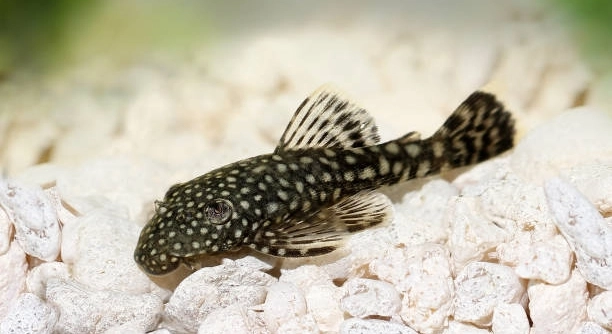
Some aquarium fish may show behaviors similar to other species, which can confuse even the most seasoned fish owners. Plecos, often thought of as peaceful bottom dwellers, occasionally display actions that resemble those of a catfish.
The primary reason a pleco may act like a catfish is due to its social and territorial nature. Both species are known for bottom-feeding habits, and plecos can exhibit behaviors such as scavenging, chasing, or feeding in a manner similar to catfish.
Understanding these behaviors can help you better interpret your pleco’s actions and ensure its well-being in your aquarium environment.
Plecos and Bottom Feeding Behavior
Plecos are well-known for their bottom-feeding habits, often staying close to the substrate of the tank. This behavior is commonly shared with catfish, which also have similar feeding patterns. While plecos are primarily herbivores, they are opportunistic feeders and will often scavenge leftover food from the bottom of the tank. This mimics the catfish’s behavior, as catfish are also bottom dwellers and will feed on detritus, algae, and other organic matter.
Both fish species are known for their ability to clean the tank by eating algae, but plecos are especially effective due to their specialized sucker mouths. These fish tend to stay low in the tank, where they graze on surfaces such as rocks, plants, and tank glass, much like how a catfish would forage. This feeding habit can sometimes be mistaken for a catfish’s behavior, but it is simply the pleco’s method of ensuring it gets enough nutrition.
Plecos, like catfish, will also move along the tank floor, using their barbels to search for food. While they do not have the same whisker-like structures as catfish, they can still resemble catfish in the way they explore and find food on the bottom of the tank. This shared behavior is often mistaken as a sign of catfish-like activity, but it’s actually a normal pleco trait.
Plecos and Aggressive Behavior
Occasionally, plecos may also show aggression similar to that of some catfish species, especially when they feel their territory is being threatened. This territorial nature is something both species share. Plecos will defend their space by chasing away other fish that come too close, especially during feeding time or when they feel their space is encroached upon.
In their natural habitat, plecos are solitary creatures, often occupying caves or crevices in rocks. In an aquarium setting, plecos can act aggressively if they perceive other fish as competitors for food or space. This behavior may be particularly noticeable when you introduce new fish to the tank or if there are too many fish for the pleco to feel comfortable. The aggression displayed is typically non-lethal, but it can cause stress to other tank mates, making it important to monitor interactions.
These territorial actions are sometimes confused with the more aggressive nature of certain catfish species. However, it’s important to recognize that the pleco’s aggression is rooted in its instincts to protect its space and resources. This behavior is usually brief, and once the pleco feels secure, it will return to its usual bottom-feeding routine.
Plecos and Social Behavior
Though plecos are generally solitary, they can show social interactions with other fish, particularly if raised in groups. Plecos that are kept with tank mates, especially other peaceful bottom dwellers, will sometimes form loose social bonds. They may share hiding spaces and feed together, but their social behavior is far less pronounced than that of more active, schooling species.
When plecos are kept with other fish, especially in a well-planted tank, they may coexist peacefully. However, it’s crucial to ensure that the pleco has enough space to retreat if needed. Plecos do not need constant interaction and can thrive in tanks with limited socializing. Nonetheless, in larger tanks with plenty of hiding spots and territories, plecos may display behavior resembling social catfish species that form groups or interact more with their surroundings.
These interactions can provide both species with a sense of security and well-being. However, as with catfish, the pleco’s socialization will always be tempered by its need for space and resources. Keeping a pleco with other bottom-dwelling fish can help reduce stress and offer a balanced environment for all the inhabitants.
Plecos Mimicking Catfish Feeding Habits
Plecos often mimic catfish by scouring the tank floor for food. This scavenging behavior is driven by their bottom-feeding nature. Both plecos and catfish will feed on algae, detritus, and uneaten food. Their feeding patterns are often very similar, making it easy to confuse the two.
Plecos use their specialized sucker mouths to cling to surfaces and consume algae. Like catfish, plecos are opportunistic feeders and will eat whatever is available. They graze throughout the day, slowly moving along the tank floor, picking up bits of food from the substrate. This behavior is an essential part of their routine and can sometimes cause confusion with the catfish’s feeding habits. The pleco’s ability to stick to surfaces allows it to consume algae on tank walls, rocks, and decorations, similar to how catfish search for food in the same manner.
This feeding behavior not only helps maintain a clean tank but also serves as a natural form of nutrition for the pleco. While plecos are mostly herbivores, they are not strictly limited to plant matter and will occasionally consume small amounts of protein, such as biofilm or leftover food.
Plecos and Their Territorial Nature
Like some catfish species, plecos are territorial fish that will defend their space. This behavior typically arises when other fish approach their chosen resting areas or feeding spots. Plecos may chase away tank mates to protect their space.
In an aquarium, plecos may show aggression, particularly if they are housed with other bottom-dwellers. When space is limited, plecos may display territorial behavior, similar to catfish defending their homes. This can lead to occasional skirmishes, especially when other fish invade the pleco’s territory. These actions often involve chasing, but actual harm is rare. Instead, the pleco will use its size and strength to assert dominance, causing other fish to retreat from its area.
It is important to create enough space for plecos by adding hiding spots or territories. Providing caves or crevices for each fish to claim can reduce conflicts and prevent the pleco from becoming overly stressed.
Plecos and Catfish-Like Exploration
Plecos, much like catfish, spend a lot of time exploring the bottom of the tank. They move slowly, using their barbels or specialized mouth to detect food. Their exploration is vital to their behavior and survival.
Plecos are naturally curious and will search every corner of their tank for food. They are well-equipped for bottom-dwelling exploration, with strong sucker mouths that help them grip surfaces while feeding. While they do not have the long barbels that catfish possess, plecos use their other sensory features to navigate and locate food sources. This exploration can sometimes resemble the behavior of catfish, who are also known for using their barbels to detect food.
This behavior is part of the pleco’s instincts to maintain a healthy diet. By constantly scouring the tank, plecos contribute to keeping their environment clean while ensuring they find enough food to sustain themselves. Although they are often solitary, plecos will roam and interact with their surroundings, making their exploration a vital part of their life in the aquarium.
Plecos and Catfish-Like Bottom Dwellers
Plecos spend a lot of time near the substrate, just like catfish. They naturally gravitate toward the bottom of the tank, where they can forage for food. This behavior helps them maintain their diet and ensure they consume enough nutrients.
Both plecos and catfish thrive in similar tank environments. They prefer areas with rocks, plants, and caves where they can feel secure while foraging. These fish are not as active as some other species and prefer the stability of the bottom. Plecos and catfish are often seen resting or exploring the substrate, feeding on algae or leftover food. This shared behavior contributes to their reputation as bottom-dwellers and their role in keeping the tank clean.
Plecos and Aggression Toward Other Fish
While generally peaceful, plecos may show aggression if their territory is invaded. This behavior is similar to some catfish species, which are known for defending their space. Plecos will chase or nudge other fish away from their chosen areas.
This territorial behavior is common in plecos, especially in smaller tanks where space is limited. Plecos are protective of their hiding spots and may display dominance to prevent other fish from encroaching. However, these territorial displays usually don’t result in injury. Instead, the pleco will use its size to intimidate and assert control. It’s important to monitor plecos in community tanks, as their territorial nature can cause stress in fish that are less assertive.
Plecos and Cleaning the Tank
Plecos are natural cleaners, often compared to catfish due to their ability to remove algae from tank surfaces. They use their sucker mouths to stick to glass, rocks, and decorations, scraping off algae as they go.
This cleaning process is beneficial for both plecos and the tank’s ecosystem. By consuming algae, plecos help maintain water quality and prevent algae blooms that can overwhelm the tank. Their bottom-feeding habits contribute to reducing excess food and waste that can accumulate on the substrate. However, it’s important to remember that plecos alone cannot keep the entire tank clean. Regular maintenance, such as water changes and substrate vacuuming, is still necessary to ensure a healthy environment for all tank inhabitants.
FAQ
Do plecos act like catfish when it comes to feeding habits?
Yes, plecos do exhibit feeding behaviors similar to catfish. Both fish are bottom-feeders, meaning they spend a lot of time near the substrate searching for food. Plecos use their specialized sucker mouths to cling to surfaces and feed on algae, detritus, and leftover food. This scavenger nature mirrors catfish’s feeding habits, as they are also known for rooting around in the substrate for food. While plecos are primarily herbivores, they will occasionally consume small protein sources like biofilm, similar to how some catfish feed on both plant matter and small invertebrates.
Are plecos aggressive like catfish?
Plecos can exhibit aggression, but it’s typically less intense than some catfish species. When plecos feel their territory is threatened, they may chase or push away other fish, especially in cramped tank spaces. While they are generally peaceful, plecos can become territorial when it comes to their feeding areas or resting spots. This territorial behavior is particularly common in plecos that share tanks with other bottom-dwelling species. However, they rarely cause injury, as their actions are often just meant to assert dominance and protect their space.
Do plecos need a large tank like catfish?
Yes, plecos need a spacious tank, similar to catfish. These fish grow large and require ample space to move around and establish their territory. A small tank can lead to stress and territorial disputes, especially in a community tank. Plecos thrive in aquariums with plenty of hiding spots, plants, and decorations where they can rest and explore. While they can adapt to smaller spaces, they will do best in tanks that provide enough room for them to swim and forage comfortably. A tank of at least 75 gallons is recommended for larger pleco species.
How do plecos and catfish compare in their tank preferences?
Both plecos and catfish prefer similar tank environments. They thrive in tanks with plenty of substrate, caves, and hiding spots. These types of environments help them feel secure and offer opportunities to forage for food. Plecos, like some catfish, are bottom-dwellers and will spend much of their time near the substrate, searching for food or resting in secluded areas. Both species appreciate a tank with a gentle water flow, as it mimics the slower-moving environments they are accustomed to in nature. They also prefer a stable environment with consistent water parameters, including temperature and pH.
Do plecos and catfish have similar lifespans?
While the lifespan of plecos and catfish can vary depending on the species, both types of fish are generally long-lived when cared for properly. Plecos, particularly the common species, can live for 10 to 15 years in a well-maintained tank. Larger species, like the zebra pleco, have slightly shorter lifespans but can still live for several years. Catfish species, such as the popular channel catfish or Corydoras catfish, also have lifespans ranging from 5 to 15 years, depending on the species. Proper tank care, including clean water, appropriate tank mates, and proper diet, can help extend the lifespan of both plecos and catfish.
Do plecos and catfish have similar social behaviors?
Plecos and catfish exhibit different social behaviors, although there are some similarities. Plecos tend to be more solitary, often preferring to rest alone in their hiding spots. They are not as social as other fish species and can become territorial, particularly when sharing the tank with other bottom-dwellers. Catfish, on the other hand, vary widely in their social behaviors. Some species, like the Corydoras catfish, are highly social and prefer to live in groups, while others, like the channel catfish, can be more solitary. Overall, plecos are generally less social than most catfish, especially in smaller tank setups.
Do plecos need specific water conditions like catfish?
Both plecos and catfish require specific water conditions to thrive. Plecos typically prefer warm water, with temperatures between 74°F and 80°F (23°C and 27°C), and a pH level between 6.5 and 7.5. They also prefer slightly soft to neutral water. Catfish species, such as Corydoras, generally prefer similar conditions, with slightly cooler water temperatures and a pH range of 6.0 to 7.5. However, certain catfish species may have specific needs based on their natural habitats. In general, both plecos and catfish require clean, well-filtered water to avoid stress and prevent health issues.
Can plecos and catfish coexist in the same tank?
Yes, plecos and catfish can coexist in the same tank, but it’s important to consider tank size and species compatibility. In larger tanks with plenty of hiding spots and space, plecos and catfish can live together peacefully. However, it’s essential to choose species that won’t compete for territory or food. Smaller plecos may do well with certain catfish species like Corydoras, which are peaceful and bottom-dwelling. Larger plecos, like the common pleco, may clash with more aggressive or territorial catfish. Always ensure there’s enough space for each species to avoid stress and conflict.
Are plecos and catfish both good for tank cleaning?
Both plecos and catfish contribute to tank cleaning, but in different ways. Plecos are known for their ability to consume algae and detritus, which helps keep the tank surfaces clean. Their specialized mouths allow them to cling to glass, rocks, and decorations to scrape off algae. Catfish, depending on the species, also help with tank cleanliness by scavenging for leftover food and detritus on the substrate. While both fish contribute to maintaining a cleaner tank, it’s important to note that they won’t replace regular tank maintenance like water changes and substrate vacuuming.
Can plecos and catfish both be fed the same foods?
While plecos and catfish share similar dietary habits, their food preferences can differ slightly. Plecos are primarily herbivores and thrive on algae, plant matter, and specially formulated sinking pellets. They may also eat small amounts of protein, such as biofilm or leftover food. Catfish, on the other hand, are opportunistic feeders and may consume a more varied diet, including protein-rich foods like bloodworms, shrimp, and small invertebrates. However, certain catfish species, like Corydoras, will also eat plant-based foods, making them somewhat similar to plecos in their dietary needs.
Final Thoughts
When it comes to understanding the behavior of plecos and how they compare to catfish, it’s clear that there are similarities but also important differences. Both are bottom-dwelling fish that share a love for clean, secure spaces. They spend much of their time foraging for food, whether it’s algae or detritus. While plecos mainly feed on plant-based matter, some species may eat protein sources, similar to the occasional dietary shifts of catfish. The similarities in their feeding habits make them both beneficial additions to aquariums, especially for algae control and maintaining a cleaner tank environment.
However, the behavior of plecos tends to be less social compared to some catfish species. Plecos, especially the larger ones, can become territorial and prefer solitary spaces. This is in contrast to more social catfish species like Corydoras, which thrive in groups. Plecos are more independent, while catfish can often be more interactive, depending on the species. Their differing social preferences mean that tank owners need to consider the compatibility of these two fish types before introducing them together. Proper tank size and space are essential for keeping both types comfortable and reducing potential territorial disputes.
Ultimately, whether you choose a pleco or a catfish depends on the specific needs of your aquarium and the role you want the fish to play. Both can coexist in well-maintained tanks, provided there’s enough space and hiding spots to accommodate their natural behaviors. Regular care, including appropriate water conditions and feeding practices, will ensure that both plecos and catfish can thrive. By understanding their behaviors and needs, you can make an informed decision about which species will best fit into your aquarium, keeping your fish healthy and happy for years to come.

Hello,
If you enjoy the content that we create, please consider saying a "Thank You!" by leaving a tip.
Every little bit helps us continue crafting quality advice that supports the health, happiness, and well-being of pets around the world, for pets of all shapes, sizes, and species.
We really appreciate the kindness and support that you show us!