
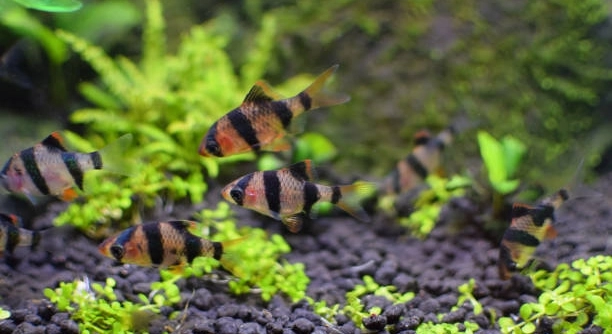
Tiger Barbs are popular freshwater fish, admired for their vibrant colors and lively behavior. Many aquarium enthusiasts enjoy breeding them at home but often face challenges along the way. Avoiding common mistakes can make the breeding process smoother and more successful.
Breeding Tiger Barbs requires careful attention to water quality, tank setup, and compatible pairing. Mistakes such as overcrowding, poor diet, or incorrect spawning conditions can lead to low fertility rates and increased stress on the fish. Ensuring ideal parameters is essential for successful reproduction.
Learning about these common errors will help you improve your breeding results. This guide covers important points that every Tiger Barb breeder should know for a healthier and happier tank environment.
Overcrowding the Breeding Tank
Keeping too many Tiger Barbs in one tank is a common problem. Overcrowding causes stress and reduces the chances of successful breeding. It also leads to poor water quality because of excess waste. This makes it harder for eggs and fry to survive. A spacious tank allows fish to swim freely and find the right spots to spawn. Reducing the number of fish will improve their health and breeding behavior. Proper filtration is important to maintain clean water, but space matters just as much.
Too many fish in the breeding tank will lead to aggression and competition, which is harmful for spawning pairs.
When the tank is overcrowded, dominant fish may bully others, which reduces breeding success. Fry can get injured or eaten if there is no room to hide. A smaller group helps the breeding pair focus on spawning and caring for the eggs. Make sure the tank is well-planted and has hiding spots. This encourages natural behavior and protects the young fish after hatching.
Poor Water Quality
Water quality has a huge impact on breeding success. Even small changes in temperature, pH, or ammonia levels can stress fish. Stressed fish do not spawn well or may reject their eggs. It is essential to keep water clean and stable. Use regular water changes and test the water often. Removing waste and uneaten food will keep the environment healthy. Using a water conditioner can help remove harmful chemicals like chlorine. Consistent water conditions encourage natural breeding behavior and healthy fry development.
Maintaining stable water parameters is vital for Tiger Barb breeding.
Keeping the water clean and balanced helps reduce stress on the fish. A stable temperature around 75–79°F is best. pH should be slightly acidic to neutral, between 6.5 and 7.0. Ammonia and nitrite levels must be zero, as even low amounts can harm eggs and fry. Nitrate should be kept low with regular water changes. Avoid sudden changes in water temperature or chemistry, as this can cause spawning failure. A good filter and gentle water flow create a comfortable environment. Monitoring water quality closely during breeding increases the chance of healthy, viable offspring.
Incorrect Pairing of Tiger Barbs
Pairing the wrong fish can prevent breeding. Males and females need to be healthy and mature. Selecting fish of similar size helps reduce aggression. Avoid keeping overly aggressive or weak individuals together. Proper pairing boosts the chance of spawning and successful fertilization.
Males are usually slimmer with brighter colors, while females tend to be rounder, especially when carrying eggs. Choosing a group of five or more allows natural selection of pairs. Sometimes, it takes a few days for pairs to form, so patience is key. Observe the fish closely to identify compatible pairs. Avoid forcing breeding by mixing too many fish or adding new ones too quickly.
Once pairs are established, they show chasing and nudging behavior. The male will court the female by swimming close and flaring his fins. This natural interaction is essential for successful spawning.
Feeding Mistakes
Inadequate or improper feeding affects breeding success. A poor diet weakens the fish and reduces egg quality. It’s important to provide a balanced diet rich in protein. Live or frozen foods like brine shrimp, bloodworms, and daphnia encourage spawning behavior and improve fertility.
Overfeeding should be avoided because it pollutes the water and causes obesity. Feed small portions two to three times a day, ensuring the fish consume all the food. Supplement flakes or pellets with fresh foods to provide vitamins and minerals. Healthy fish are more active, display better colors, and are more likely to breed successfully. Feeding also helps prepare the female for producing viable eggs.
If the fish are underfed, they may not spawn or produce weak eggs. Proper nutrition supports egg development and fry growth, increasing survival rates. Feeding should be consistent, varied, and adjusted based on the fish’s needs during breeding.
Neglecting to Remove Adults After Spawning
Leaving adult Tiger Barbs in the breeding tank after spawning is risky. Adults often eat the eggs or fry, reducing survival rates significantly. Removing adults helps protect the young and increases the chance of healthy growth.
Separating adults immediately after spawning keeps the eggs safe from being eaten. This simple step improves the number of fry that survive and grow.
Insufficient Hiding Places for Fry
Providing plenty of hiding spots is crucial. Fry need shelter from light and potential threats. Plants, breeding mops, or fine-leaved plants work well to create safe spaces.
A well-planted tank with hiding places reduces stress on the fry and improves survival.
Ignoring Fry Feeding Needs
Feeding fry properly is essential for their development. Newly hatched Tiger Barb fry need tiny live foods like infusoria or commercially prepared fry food. As they grow, gradually introduce larger foods such as baby brine shrimp. Consistent feeding supports healthy growth.
Poor Lighting Conditions
Bright or inconsistent lighting stresses both adults and fry. Use soft, indirect light and maintain a regular day-night cycle. Proper lighting encourages natural behavior and growth.
FAQ
How do I know if my Tiger Barbs are ready to breed?
Tiger Barbs typically mature around 6 to 12 months of age. Males show brighter colors and more intense fin displays, while females become rounder, especially when carrying eggs. Healthy, active fish with good coloration are generally ready to breed. Observing natural courtship behavior, like chasing and fin flaring, is also a strong sign that they are prepared to spawn.
What is the best tank size for breeding Tiger Barbs?
A breeding tank of at least 20 gallons is ideal. This provides enough space for the fish to swim freely and reduces aggression. Adequate space also helps maintain better water quality, which is crucial for spawning and fry survival. Smaller tanks often lead to overcrowding and stress, lowering breeding success.
Should I condition my Tiger Barbs before breeding?
Yes, conditioning is important. Feed them high-quality, protein-rich foods like live or frozen brine shrimp, bloodworms, and daphnia for at least two weeks before breeding. This boosts their health and encourages spawning. Well-conditioned fish produce stronger eggs and healthier fry, increasing the chance of successful breeding.
How often do Tiger Barbs spawn?
Under good conditions, Tiger Barbs can spawn every few weeks. However, overbreeding may weaken the fish. It’s best to allow rest periods between spawning to maintain their health. Regular monitoring of water quality and nutrition helps keep the fish in breeding condition without overtaxing them.
What should I do with the eggs after spawning?
If possible, remove the adult fish immediately to prevent them from eating the eggs. Place the eggs in a separate tank with clean, conditioned water and gentle aeration. Eggs typically hatch within 24 to 36 hours. Keep the tank dimly lit and maintain stable water parameters to ensure healthy development.
How do I care for Tiger Barb fry?
Feed fry very small live foods like infusoria or commercially prepared fry food for the first week. Gradually introduce baby brine shrimp and finely crushed flakes as they grow. Maintain clean water with regular small water changes. Provide plenty of hiding spots to reduce stress and improve survival rates.
Can I breed Tiger Barbs with other species?
Breeding Tiger Barbs with other species is not recommended. They have specific breeding behaviors and water requirements. Mixing species can cause stress, aggression, and hybrid offspring that may not survive or thrive. It is best to breed Tiger Barbs in a species-only tank to ensure proper care and successful breeding.
What are common signs of stress during breeding?
Signs of stress include hiding, loss of color, erratic swimming, and refusal to eat. Overcrowding, poor water quality, and aggressive tank mates often cause stress. Addressing these issues by improving tank conditions and removing threats helps reduce stress and encourages healthy breeding behavior.
How do I maintain water quality during breeding?
Perform regular water changes of about 20-30% every few days, especially in breeding tanks. Use a good filtration system with gentle flow to avoid disturbing eggs and fry. Test water regularly for ammonia, nitrites, and nitrates. Maintaining stable temperature and pH also supports breeding success and fry health.
Is it necessary to separate males and females before breeding?
Separating males and females before breeding is not always necessary but can help control timing. Keeping them apart for a few days and then reintroducing them may stimulate spawning. This method helps ensure both sexes are healthy and ready, improving the chances of successful fertilization and egg laying.
Breeding Tiger Barbs can be a rewarding experience when done carefully. It requires attention to detail and understanding of their needs. Avoiding common mistakes such as overcrowding, poor water quality, and improper feeding will improve your chances of success. Each step, from selecting healthy pairs to caring for the fry, plays an important role in the process. Maintaining a clean and stable environment is essential, as stress or poor conditions can prevent breeding or harm the young fish. Paying close attention to these factors will help create a suitable habitat for Tiger Barbs to reproduce naturally.
It is important to remember that patience is key when breeding Tiger Barbs. The fish need time to adjust and show natural behaviors like courtship and spawning. Rushing the process or forcing conditions can lead to failure or stress. Observing your fish carefully will give you clues about their readiness and health. Also, providing plenty of hiding spaces for fry helps improve their survival rate, as they are vulnerable during early development. Feeding both adults and fry properly supports their overall health and encourages continued breeding. Taking these steps with care can lead to a thriving tank full of healthy Tiger Barbs.
Finally, success in breeding Tiger Barbs comes from consistent care and learning from experience. It may take some time to understand what works best for your specific tank setup and fish. Keeping track of water quality, diet, and behavior can help identify problems early and improve outcomes. Remember that every breeding cycle is a chance to refine your approach. With practice, you will gain confidence in managing your Tiger Barbs and enjoy seeing their offspring grow. Following these guidelines will make breeding a positive and fulfilling part of your aquarium hobby.

Hello,
If you enjoy the content that we create, please consider saying a "Thank You!" by leaving a tip.
Every little bit helps us continue crafting quality advice that supports the health, happiness, and well-being of pets around the world, for pets of all shapes, sizes, and species.
We really appreciate the kindness and support that you show us!