
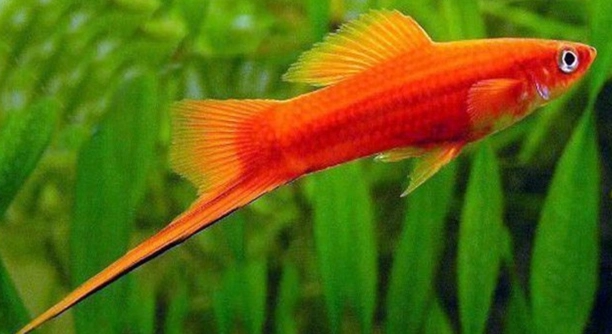
Swordtails are a popular choice for aquarium enthusiasts, known for their vibrant colors and active nature. However, many aquarium owners make mistakes when caring for them. These mistakes can affect their health and happiness in your tank.
Many common mistakes with swordtails involve improper tank conditions, feeding habits, and lack of proper care. These issues can cause stress, illness, and even premature death in your fish. Understanding the right practices is essential for their well-being.
Making a few simple changes can help improve their health and overall environment. By understanding what swordtails need, you can create the best conditions for them to thrive.
Improper Tank Size
Swordtails need enough space to swim and feel comfortable. A tank that’s too small can cause them stress, leading to health problems. Ideally, a 20-gallon tank is the minimum size for a small group of swordtails. This gives them plenty of room to swim around and maintain a healthy social structure.
Swordtails can become territorial if they don’t have enough space. A cramped environment leads to aggression and unhealthy competition for resources. Providing a larger tank reduces these problems, keeping your fish happier and more relaxed.
Proper tank size is also essential for water quality. Smaller tanks can accumulate waste faster, which impacts water chemistry. With a larger tank, you can keep the water cleaner for longer, reducing the need for frequent water changes. If you want to avoid potential issues, invest in a tank that gives your swordtails the space they deserve.
Feeding Mistakes
Overfeeding is a common issue with swordtails. Feeding them too much can lead to obesity and poor water quality.
Swordtails are relatively easy to feed, but it’s important to give them only what they can eat in a few minutes. Remove any leftover food promptly to prevent it from decaying and polluting the water. Stick to a regular feeding schedule to help maintain their health and avoid waste buildup in the tank.
Poor Water Quality
Swordtails thrive in clean, well-maintained water. If the water isn’t regularly tested and changed, it can lead to diseases, stress, and even death.
Swordtails are sensitive to changes in water quality, especially the levels of ammonia, nitrites, and nitrates. Keeping your tank’s water clean requires regular maintenance, including water changes and filter cleaning. Testing the water weekly helps to identify any issues early, preventing harm to your fish.
Dirty water causes stress for swordtails, weakening their immune systems. This leaves them vulnerable to infections and parasites. Regular cleaning and water changes not only promote healthier fish but also improve their overall behavior and activity levels. It’s a simple step to ensure they live their best life.
Incompatible Tank Mates
Choosing the wrong tank mates for your swordtails can lead to aggression and stress.
Swordtails are peaceful fish, but they can become stressed if placed with overly aggressive species. They tend to do well with other calm, similarly sized fish like tetras or guppies. Avoid housing them with aggressive fish like bettas or large cichlids that may bully or harm them.
Swordtails may also experience stress when placed with fish that occupy the same space or compete for the same resources. Territorial disputes and competition can lead to physical harm and unhealthy environments. Ensure you select compatible species that won’t disrupt the peaceful balance swordtails need. This helps your fish remain happy and healthy.
Incorrect Temperature
Swordtails need stable water temperatures to stay healthy. If the water is too hot or too cold, it can cause stress or even death.
The ideal temperature for swordtails is between 72°F and 78°F (22°C to 26°C). Sudden changes in temperature can shock their system, leading to illness. Invest in a reliable heater and thermometer to keep the tank at a consistent temperature.
Temperature swings, even small ones, affect swordtails’ immune systems. Prolonged exposure to unfavorable temperatures can weaken them, making them more susceptible to diseases. Keeping the temperature steady is a simple but crucial part of their care.
Lack of Plants and Hiding Spots
Swordtails enjoy having plants and hiding spots in their environment. Without these, they can become stressed.
Adding plants, rocks, and decorations gives swordtails places to hide and swim around. This mimics their natural habitat and helps reduce stress. It also creates a more stimulating and enriching environment, encouraging natural behaviors.
A tank with no hiding spots can cause swordtails to feel exposed and vulnerable. This leads to anxiety and can affect their health. Adding plants or caves provides a sense of security, making them more relaxed and comfortable in their space.
FAQ
What should I feed my swordtails?
Swordtails are omnivores and can eat a variety of foods. Offer them a balanced diet of high-quality flake food, pellets, and occasional live or frozen foods like brine shrimp, bloodworms, or daphnia. Feed them small amounts once or twice a day, ensuring they consume everything within a few minutes to avoid water pollution.
How often should I change the water in my swordtail tank?
Water changes should be done weekly, changing about 25-30% of the water. If you have a heavily stocked tank, you may need to change water more frequently. Regular water changes help keep ammonia, nitrites, and nitrates at safe levels, which is essential for swordtail health.
Can swordtails live with other fish?
Yes, swordtails are peaceful and social fish. They can live with other calm, community-friendly species such as guppies, mollies, and tetras. Avoid keeping them with aggressive fish like bettas or larger species that might bully them. Always ensure the tank mates share similar environmental needs.
Why is my swordtail’s color fading?
Color fading in swordtails can be caused by stress, poor water quality, or insufficient diet. Ensure your swordtail is kept in a stable environment with good water conditions, and feed it a nutritious, balanced diet. Stress from incompatible tank mates or overcrowding can also lead to fading colors.
How long do swordtails live?
Swordtails can live for 3 to 5 years if properly cared for. A healthy diet, stable water conditions, and suitable tank mates will help your swordtail reach its full lifespan. Regular maintenance, such as water changes and keeping the tank clean, will ensure a long and healthy life for your fish.
Why is my swordtail swimming at the top of the tank?
If your swordtail is constantly swimming at the top, it could be a sign of low oxygen levels in the water or water quality issues. Check the filtration system and make sure the tank has proper aeration. If the water quality is poor, perform a water change to correct the issue.
Can I breed swordtails in my tank?
Yes, swordtails are livebearers, meaning they give birth to live fry rather than laying eggs. To breed swordtails, you need to have at least one male and one female. Keep the tank conditions stable and ensure there are plenty of hiding spots for the fry once they are born, as adult swordtails may eat them.
Do swordtails need a filter?
Yes, swordtails need a filter to help maintain water quality. A filter removes waste and debris from the water, helping keep the environment healthy. Choose a filter appropriate for the size of your tank, and clean it regularly to ensure it’s working efficiently.
Why are my swordtails behaving aggressively?
Aggression in swordtails can result from overcrowding, poor water quality, or insufficient hiding spots. Male swordtails, especially, may become territorial. Ensure your tank is large enough and has plenty of plants and decorations for the fish to establish their own space. Reducing stress is key to keeping them calm.
Can swordtails live in cold water?
Swordtails are tropical fish and prefer warmer water temperatures between 72°F and 78°F (22°C to 26°C). While they can tolerate slight temperature fluctuations, they cannot survive in cold water for extended periods. If your home is cold, use a heater to maintain the proper temperature for your swordtails.
What size tank do swordtails need?
A minimum of a 20-gallon tank is recommended for a small group of swordtails. If you have more swordtails or additional fish species, consider a larger tank. A spacious tank allows for better water quality, provides more swimming room, and reduces territorial behavior among swordtails.
How can I tell if my swordtail is sick?
Signs of illness in swordtails include loss of appetite, lethargy, discoloration, clamped fins, or unusual swimming behavior. If you notice any of these symptoms, test the water for ammonia, nitrites, and nitrates, and ensure it’s at the right temperature. If conditions are good, consider consulting a vet if the problem persists.
Are swordtails easy to care for?
Swordtails are relatively easy to care for, making them a great choice for beginner fish keepers. They are hardy and adaptable to different water conditions. However, they still require proper water quality, suitable tank mates, and a balanced diet to thrive. With the right care, swordtails can be a rewarding addition to your tank.
What is the best way to introduce new swordtails to the tank?
When introducing new swordtails to an established tank, it’s important to quarantine them first to prevent introducing diseases. After quarantine, introduce them slowly by floating the bag with the new fish in the tank to acclimate them to the water temperature. Gradually add tank water to the bag before releasing them into the tank.
Why is my swordtail’s fin clamped?
Clamped fins can indicate stress or illness in swordtails. Stress can be caused by poor water quality, incompatible tank mates, or overcrowding. It’s essential to assess the tank conditions and make necessary adjustments. If the clamped fins persist, check for signs of parasites or infections and seek treatment if needed.
Final Thoughts
Caring for swordtails can be a rewarding experience, but it requires attention to detail. They are generally hardy fish that do well in a community tank if the conditions are right. By providing the proper tank size, water quality, and a balanced diet, you ensure that your swordtails live a long and healthy life. Small mistakes, like overfeeding or poor water quality, can quickly lead to health problems, so it’s important to stay consistent with maintenance.
When selecting tank mates, always choose peaceful species that share similar water requirements. Swordtails thrive in a calm environment where they have enough space and hiding spots. Aggressive fish or overcrowded tanks can stress your swordtails and make them more susceptible to illness. Additionally, regular water changes and monitoring the temperature are crucial for maintaining a healthy tank. Swordtails may not show signs of stress right away, so staying proactive can prevent bigger issues down the line.
Overall, swordtails are relatively easy to care for as long as their needs are met. Their colorful appearance and active behavior make them a popular choice for many aquarium owners. By paying attention to their basic care requirements and ensuring the right tank conditions, you can create a thriving environment where your swordtails will feel comfortable and safe.

Hello,
If you enjoy the content that we create, please consider saying a "Thank You!" by leaving a tip.
Every little bit helps us continue crafting quality advice that supports the health, happiness, and well-being of pets around the world, for pets of all shapes, sizes, and species.
We really appreciate the kindness and support that you show us!