
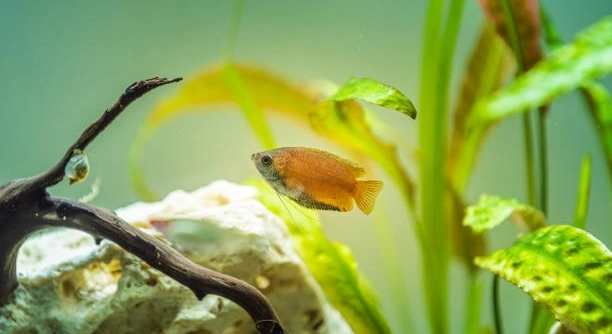
Keeping gouramis can be rewarding, but they are sensitive fish that react to changes in their environment. Small mistakes in their care can quickly cause stress, affecting their health and behavior. Awareness is key to happy fish.
Several common practices can stress your gourami, including overcrowding, poor water quality, abrupt temperature changes, inappropriate tank mates, overfeeding, lack of hiding spaces, and sudden loud disturbances. Each factor impacts their physical and psychological well-being, sometimes causing illness or aggression.
Learning these habits can help you create a calmer, healthier environment for your gourami. Awareness and small changes make a big difference in their daily life.
Overcrowding the Tank
Having too many gouramis or other fish in one tank can create constant stress. Fish need space to swim freely, establish territories, and hide when they feel threatened. Crowded conditions lead to aggression, increased competition for food, and rapid waste buildup. Water quality can decline faster, making your gouramis more susceptible to disease. Even if your tank looks large, the number of fish matters more than the size of the tank alone. Observing your gouramis’ behavior is essential; if they constantly chase, nip, or hide, overcrowding may be the issue. Adjusting the number of fish and providing proper spacing helps create a balanced, calmer environment.
Stress from overcrowding can weaken your gourami’s immune system, making them prone to illness.
Ensuring the right stocking levels is crucial. A general rule is one inch of fish per gallon, but it depends on the species and tank layout. Adding plants or decorations can help create hiding spots, reducing conflict. Regularly monitor water parameters to prevent ammonia or nitrite spikes. By keeping the population balanced and the environment stable, gouramis remain active, healthy, and display natural behaviors.
Poor Water Quality
Dirty or chemically unbalanced water quickly stresses gouramis.
Maintaining clean, filtered water with proper pH and temperature is essential for their health.
Gouramis are sensitive to changes in ammonia, nitrite, and nitrate levels. Even small fluctuations can lead to lethargy, loss of appetite, or disease. Regular water changes, testing, and using a reliable filtration system help maintain stability. Avoid sudden shifts in water chemistry, as these can shock the fish. Clean decorations, substrate, and equipment reduce the buildup of harmful bacteria. Temperature consistency is also vital because gouramis come from tropical environments. By monitoring and adjusting water quality, you create a healthy habitat that supports growth, color, and activity. Proper care prevents stress-induced illnesses and allows your gouramis to thrive peacefully. Consistent attention to water health ensures a long, vibrant life for your fish and reduces the risk of behavioral or physical problems caused by environmental stress.
Abrupt Temperature Changes
Sudden shifts in water temperature can shock gouramis, causing stress and illness. They thrive in stable, warm water, and rapid changes make them lethargic or trigger erratic behavior.
Gouramis need a consistent temperature between 75–82°F. Rapid heating or cooling, such as placing the tank near vents or adding large amounts of tap water without acclimation, can be harmful. Even small drops at night or spikes during water changes can affect their immune system. Using a reliable heater and thermometer helps maintain stability, while slow acclimation during water changes prevents temperature shock. Stress from fluctuations often shows as hiding, color fading, or reduced appetite, signaling the need for adjustment.
Long-term exposure to unstable temperatures can increase vulnerability to diseases like fin rot or ich. Providing a controlled environment, checking the heater daily, and adding water gradually are effective steps. Consistent warmth supports normal activity, feeding habits, and natural behavior, helping gouramis feel secure and thrive in their habitat.
Inappropriate Tank Mates
Some fish naturally stress gouramis through aggression or competition. Choosing compatible species is essential for a peaceful tank.
Gouramis coexist best with calm, non-aggressive fish. Fast, nippy, or territorial species may harass them, leading to stress, injury, or hiding. Avoid fin-nipping tetras, aggressive barbs, or large cichlids. Instead, small, slow-moving fish like rasboras or peaceful catfish maintain balance. Observing interactions helps identify stress sources, and separating incompatible species protects your gouramis’ health.
Stress from poor tank mates can cause long-term behavioral changes. Gouramis may stop eating, display constant hiding, or show faded colors. Introducing compatible fish slowly, maintaining enough space, and providing plants or hiding spots helps reduce tension. Group dynamics matter; keeping similar temperament fish together allows your gouramis to swim confidently and interact naturally. Careful planning prevents chronic stress, ensuring a calm, thriving environment where gouramis feel safe and exhibit healthy behaviors.
Overfeeding
Too much food can quickly stress gouramis and harm water quality. Uneaten food decays, increasing ammonia levels and making the tank unsafe.
Overfeeding may lead to bloating, sluggishness, and digestive problems. Feeding small portions once or twice daily keeps your gouramis healthy and prevents water contamination.
Lack of Hiding Spots
Gouramis need places to retreat when feeling threatened or stressed. Without shelter, they may become anxious and aggressive.
Adding plants, rocks, or decorations provides security, reduces stress, and encourages natural behavior. Proper hiding spots help gouramis feel safe, improving overall health and activity levels.
Loud Disturbances
Sudden noises near the tank can scare gouramis, causing rapid swimming, hiding, or stress.
Constant or repeated loud sounds increase anxiety and may impact appetite or immune response. Creating a quiet environment helps your gouramis feel secure.
How can I tell if my gourami is stressed?
Stressed gouramis often show visible changes in behavior or appearance. They may hide more than usual, swim erratically, or display faded colors. A lack of appetite, rapid gill movement, or clamped fins are also signs. Observing their daily habits helps catch stress early before it affects health.
What is the best tank size for gouramis?
A proper tank size reduces stress and promotes natural behavior. For a single gourami, at least 20 gallons is recommended. Adding more fish requires additional space, roughly 5–10 gallons per extra gourami. A larger tank helps control water quality, provides swimming room, and prevents territorial disputes.
How often should I change the water?
Regular water changes are essential for stable conditions. Changing 25–30% of the water weekly keeps ammonia, nitrite, and nitrate levels low. Using dechlorinated water at the same temperature prevents shock. Over time, consistent water changes support health, color, and activity.
Can tank decorations reduce stress?
Yes, decorations such as plants, rocks, and caves give gouramis hiding spots and territories. Floating plants mimic their natural environment and provide cover. Sheltered areas reduce aggression, encourage exploration, and allow resting spots. A well-decorated tank helps gouramis feel secure, reducing stress-induced behaviors.
Which tank mates are safe for gouramis?
Peaceful fish like rasboras, small catfish, or danios coexist well with gouramis. Avoid fin-nipping species or aggressive fish that may harass them. Introducing tank mates gradually and monitoring interactions ensures harmony. Proper spacing and hiding spots also help reduce tension among community fish.
How does temperature affect stress levels?
Gouramis thrive in stable tropical temperatures around 75–82°F. Sudden drops or spikes can shock them, leading to hiding, erratic swimming, or weakened immunity. Using a reliable heater and thermometer ensures consistent warmth. Gradual acclimation during water changes prevents temperature-related stress.
What role does diet play in stress prevention?
A balanced diet supports health and reduces stress. Overfeeding can pollute the tank and cause digestive issues, while underfeeding weakens immunity. Offering varied food like pellets, flakes, and occasional live or frozen options keeps gouramis active, healthy, and less prone to stress.
How can I reduce noise-related stress?
Loud disturbances near the tank can scare gouramis, causing anxiety or erratic movement. Placing the tank in a quieter area and minimizing sudden loud sounds helps them feel secure. Over time, a calm environment improves feeding, social behavior, and overall well-being.
Why is water quality so important?
Poor water quality directly impacts stress and health. High ammonia, nitrite, or nitrate levels, or sudden chemical changes, can cause lethargy, illness, and color fading. Proper filtration, testing, and regular maintenance maintain stable conditions, ensuring gouramis remain active and disease-free.
Can stress affect breeding behavior?
Yes, stressed gouramis are less likely to breed. Insecure environments, poor water quality, overcrowding, or aggressive tank mates can prevent courtship and egg laying. Creating a calm, well-maintained tank with proper hiding spots encourages natural breeding behavior and increases success rates.
How quickly can stress affect a gourami’s health?
Stress can impact gouramis within days if environmental factors are poor. Chronic stress weakens the immune system, making them more prone to infections like fin rot or ich. Monitoring water, tank mates, and daily behavior ensures early intervention and prevents serious health issues.
Can adding plants help with stress management?
Live and artificial plants offer cover, reduce visibility of threats, and create a natural environment. Floating plants help gouramis feel safe at the surface. A well-planted tank supports territorial behavior, reduces aggression, and promotes calmer, healthier fish.
Is monitoring behavior more important than appearance?
Both are important, but behavior often shows stress first. Hiding, rapid gill movement, clamped fins, or erratic swimming can appear before physical signs like color fading. Regular observation ensures early detection and intervention, keeping gouramis healthy.
What is the most common mistake that stresses gouramis?
Overcrowding, poor water quality, and incompatible tank mates are the main stress sources. Even small lapses in temperature control, feeding, or tank maintenance can accumulate. Awareness and consistent care are crucial to prevent long-term stress and health problems.
How do I safely acclimate gouramis to new water or tanks?
Slow acclimation prevents shock. Float the fish in a bag to match temperature, gradually mix tank water over 30–60 minutes, and avoid sudden changes. Careful acclimation reduces stress, supports immunity, and helps gouramis settle comfortably in new conditions.
How long does it take for a stressed gourami to recover?
Recovery depends on the stress cause. With stable water, proper tank mates, and hiding spots, gouramis may start showing normal behavior within days. Full recovery, including color return and consistent feeding, may take several weeks, depending on duration and severity of stress.
Can stress cause permanent damage?
Chronic stress can weaken the immune system and affect growth or behavior. Long-term exposure to poor conditions may result in stunted development, recurring illness, or reduced lifespan. Prompt correction of environmental factors is essential to minimize lasting effects.
Are all gouramis equally sensitive to stress?
Different species vary in tolerance. Dwarf gouramis are more sensitive to poor water quality and aggression, while larger species like pearl gouramis handle minor fluctuations better. Knowing your species’ needs helps prevent stress and ensures proper care tailored to each fish.
How can I prevent stress from water changes?
Adding water slowly and matching temperature prevents shock. Partial water changes rather than full swaps reduce sudden chemical shifts. Using dechlorinated water and monitoring levels ensures a stable environment, keeping gouramis calm and healthy.
What daily habits support stress-free gouramis?
Feed appropriate amounts, maintain clean water, observe behavior, and minimize disturbances. Check temperature and filter function daily. Consistency and attention to their environment create a secure, healthy habitat where gouramis remain active, colorful, and less prone to stress.
Caring for gouramis requires attention to detail, but the effort is well worth it. These fish are sensitive creatures, and small changes in their environment can have a big impact on their health and behavior. Maintaining proper water quality, keeping the right number of tank mates, and providing hiding spots are all essential steps to reduce stress. Even consistent feeding habits and monitoring the tank temperature make a noticeable difference in their well-being. Gouramis respond well to stability, and when their environment is predictable and safe, they display their natural colors, behaviors, and energy. Over time, observing these patterns becomes easier, allowing you to recognize early signs of stress and correct issues before they escalate. The peace and calm of a healthy tank are rewarding, and it also reflects in the overall longevity and vitality of your gouramis.
Stress in gouramis often develops from factors that seem minor at first. Overcrowding, abrupt water changes, aggressive tank mates, and loud disturbances are all sources of stress that can accumulate over time. Even practices like overfeeding or leaving the tank unattended during temperature fluctuations can create long-term problems. The key is to recognize that stress is not always obvious immediately. Fish may hide quietly, refuse food, or swim in unusual patterns before other symptoms appear. By paying attention to subtle signs, you can prevent chronic stress, which affects immunity, growth, and overall behavior. A controlled and thoughtful approach to their habitat allows your gouramis to thrive without experiencing constant anxiety. Planning the tank setup carefully and maintaining consistent routines are essential habits for long-term fish health.
Creating a stress-free environment for your gouramis also encourages natural behaviors, making them more active and interactive. Plants, rocks, and floating decorations provide security and territories, helping them feel safe while swimming freely. Consistent monitoring of water quality, feeding schedules, and tank interactions ensures that they remain calm and healthy. Stress-free gouramis are not only healthier but also more visually vibrant, displaying their natural colors and energy. While it requires daily attention and care, the process of maintaining their well-being can be simple when you follow basic routines. Small adjustments, like gradual water changes, compatible tank mates, and temperature stability, have significant effects. By staying mindful of these factors, you can create a peaceful home where your gouramis live comfortably, thrive, and remain free from stress.

Hello,
If you enjoy the content that we create, please consider saying a "Thank You!" by leaving a tip.
Every little bit helps us continue crafting quality advice that supports the health, happiness, and well-being of pets around the world, for pets of all shapes, sizes, and species.
We really appreciate the kindness and support that you show us!