
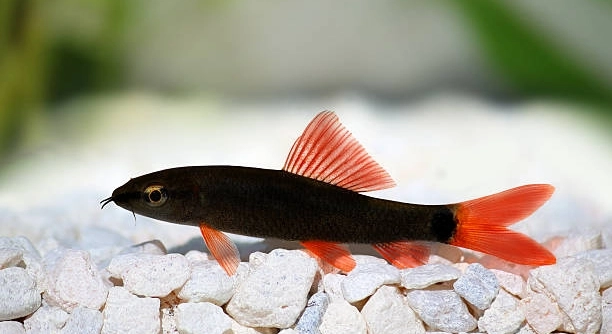
Are your rainbow shark’s colors bright, but its behavior seems a little off? Small changes in care can make a big difference in its daily life.
A rainbow shark needs a spacious tank, clean water, hiding spots, proper tank mates, a balanced diet, consistent water parameters, and mental stimulation. These essentials support its physical health, reduce stress, and encourage natural behaviors in a controlled aquarium environment.
With the right setup and care, your rainbow shark can thrive in its home and enjoy a longer, healthier, and happier life.
A Spacious Tank is a Must
Rainbow sharks are active swimmers and need space to move freely. A tank that’s too small can lead to stress, aggression, and stunted growth. The ideal tank size is at least 55 gallons. This gives your rainbow shark plenty of room to explore without feeling confined. They are territorial by nature, so extra space helps reduce conflicts with other fish. A longer tank is better than a taller one, as it provides more horizontal swimming space. If the tank is too small, your shark may start chasing other fish or hiding more often. A properly sized tank also helps maintain stable water conditions. When you combine enough space with good maintenance, you create an environment where your rainbow shark can thrive.
Small tanks may seem easier to manage, but they limit your shark’s natural movement and increase stress over time. More space equals more comfort, less tension, and healthier fish overall.
An undersized tank causes unnecessary issues. Avoid aggressive behavior and poor health by choosing a large enough tank from the start. A roomy aquarium is one of the best ways to give your rainbow shark a comfortable and stable life.
Clean Water Keeps Them Healthy
Regular water changes and a good filter system are essential. Poor water quality can lead to disease, stress, and a shortened lifespan.
Maintaining clean water starts with regular testing. Rainbow sharks are sensitive to changes in pH, ammonia, nitrites, and nitrates. Use a reliable test kit to check these levels weekly. Keep ammonia and nitrites at zero, and nitrates below 20 ppm. A high-quality filter will help remove waste and maintain oxygen levels. Make sure to clean the filter media as directed, without removing beneficial bacteria. Change 20–30% of the water weekly, using a dechlorinator to treat tap water. Dirty water builds up quickly, especially in tanks with several fish. Even a clean-looking tank can hide harmful toxins. Watch for signs like sluggish behavior or fading color. These could point to water issues. Keeping the tank clean supports your rainbow shark’s immune system and overall mood. Healthy water equals a happy fish.
Provide Hiding Spots
Rainbow sharks need quiet places to rest and feel safe. Without hiding spots, they may become more aggressive or anxious, especially around other fish. Caves, driftwood, and plants can help reduce stress by giving them private areas to retreat.
Use smooth rocks, PVC pipes, or decorations with openings to create secure spots where your rainbow shark can rest. Live or artificial plants also work well, especially when grouped to form natural barriers. Spread these features throughout the tank so your shark has options, particularly in shared spaces. Avoid overcrowding the tank with decorations—too many can restrict swimming space. Balance is key. When your rainbow shark feels safe, you’ll notice calmer behavior and better color. Hiding spots are especially important during daylight hours when the tank is bright and active. A well-decorated tank keeps your shark from feeling exposed and helps reduce unnecessary conflict with tank mates.
Sharks are naturally territorial. Hiding spots break up sightlines in the tank, making it easier for fish to avoid confrontations. It also helps if you’re housing your rainbow shark with other bottom dwellers. These private areas allow each fish to claim its own zone, lowering the chance of fights. Comfort often comes from the ability to retreat when needed.
Choose Tank Mates Wisely
Rainbow sharks are territorial and may not tolerate all tank mates. Avoid other bottom dwellers or fish with similar shapes. Choose species that are peaceful, fast-swimming, and occupy different areas of the tank.
Good tank mates for rainbow sharks include barbs, danios, and rainbowfish. These fish are quick enough to avoid conflict and usually swim in the middle or top of the tank. Avoid slow-moving species, long-finned fish, or those that resemble your rainbow shark in size or color. Never keep two rainbow sharks in the same tank unless it’s exceptionally large, as they often fight. If you’re adding new fish, rearrange the tank décor to disrupt existing territories. This helps reduce aggression. Watch interactions closely for the first few days. Some chasing is normal, but if your shark becomes too dominant, you may need to separate them. Compatibility plays a big role in creating a calm environment.
Feed a Balanced Diet
A rainbow shark’s diet should include high-quality sinking pellets, supplemented with algae wafers and occasional frozen or live protein. This variety supports proper growth, boosts color, and keeps your shark active and healthy in the long run.
Feed small portions once or twice a day. Uneaten food should be removed after a few minutes to prevent water issues.
Keep Water Parameters Stable
Rainbow sharks do best in water temperatures between 72–82°F, with a pH of 6.5 to 7.5. Keep hardness between 5–11 dGH. Sudden changes can lead to stress or illness. Use a reliable heater, thermometer, and test kit to keep everything in range. Test weekly to catch imbalances early. If parameters shift too quickly, your shark may stop eating or act erratically. Always match temperature and pH when doing water changes. Stability is more important than perfection. A consistent environment helps your shark stay relaxed and avoids health problems caused by sudden spikes in ammonia or nitrate levels. Clean water and steady conditions work together to support overall well-being.
Offer Mental Stimulation
Add small changes like rearranging tank decor or introducing floating toys. These help keep your rainbow shark alert, reduce boredom, and support more natural behaviors.
FAQ
How often should I feed my rainbow shark?
Feed your rainbow shark once or twice daily with small amounts it can finish within a few minutes. Overfeeding can pollute the water and harm your fish. A varied diet of sinking pellets, algae wafers, and occasional protein treats keeps it healthy and colorful.
Can rainbow sharks live with other fish?
Yes, but tank mates must be chosen carefully. Rainbow sharks are territorial and may chase similar bottom dwellers or slow fish. Good companions include fast, peaceful mid- or top-level swimmers like barbs or danios. Avoid overcrowding to reduce aggression.
What tank size is suitable for a rainbow shark?
A minimum of 55 gallons is recommended. They are active swimmers needing plenty of horizontal space. Larger tanks reduce territorial behavior and help maintain stable water conditions. Small tanks often cause stress and health problems.
How important are hiding spots?
Very important. Rainbow sharks use hiding spots to feel secure and reduce stress. Provide caves, driftwood, or dense plants to create retreats. This helps with calmer behavior and reduces aggression towards tank mates.
What water parameters do rainbow sharks prefer?
They thrive in temperatures between 72–82°F, pH 6.5–7.5, and moderate hardness (5–11 dGH). Stability is key; sudden changes can cause stress or illness. Regular testing and consistent water changes help keep parameters steady.
How often should I change the water?
Change 20–30% of the water weekly. Regular water changes remove toxins, keep nitrate levels low, and maintain good water quality. Always treat tap water with a dechlorinator before adding it to the tank.
Can I keep two rainbow sharks together?
Usually no, unless the tank is very large (over 100 gallons) and has plenty of hiding spaces. Rainbow sharks are territorial and often fight when housed together in smaller tanks.
What are signs of stress in a rainbow shark?
Signs include hiding excessively, faded colors, loss of appetite, erratic swimming, or rubbing against objects. Stress often comes from poor water quality, overcrowding, or aggressive tank mates. Addressing these issues quickly helps prevent illness.
What do rainbow sharks eat in the wild?
They feed on algae, small invertebrates, and plant matter. Replicating this diet in the aquarium with balanced commercial foods plus occasional live or frozen treats supports their health.
Is a filter necessary for a rainbow shark tank?
Yes, a good filter is essential. Rainbow sharks produce waste that can pollute water quickly. A reliable filter removes debris and maintains oxygen levels, supporting a healthy environment. Regular maintenance of the filter media is important to keep beneficial bacteria alive.
How long do rainbow sharks live?
With proper care, they can live 5 to 8 years in captivity. Consistent water quality, a good diet, and appropriate tank mates contribute to a longer life. Avoiding stress and disease is critical for longevity.
Can rainbow sharks jump out of the tank?
Yes, they can jump if startled or stressed. It’s important to keep a secure lid on the aquarium to prevent accidents. Ensure the tank environment is calm and safe to reduce jumping behavior.
Are rainbow sharks aggressive towards other fish?
They can be territorial, especially towards fish that resemble them or share their bottom-dwelling space. Proper tank size and careful selection of tank mates help minimize aggression.
How can I tell if my rainbow shark is healthy?
Healthy rainbow sharks are active, have vibrant colors, clear eyes, and smooth scales. They eat regularly and swim confidently. Any sudden changes in behavior or appearance should be checked promptly.
What’s the best way to acclimate a new rainbow shark?
Float the bag in the tank for 15–20 minutes to equalize temperature. Slowly add small amounts of tank water to the bag over an hour before releasing the fish. This reduces stress and helps the shark adjust to water chemistry.
Should I turn off the lights at night?
Yes, rainbow sharks need a regular day-night cycle. Turning off aquarium lights at night helps mimic natural conditions and supports normal behavior and health.
Can I use live plants with a rainbow shark?
Yes, many live plants work well. They provide hiding places and improve water quality. Choose sturdy plants like Java fern or Anubias that can withstand the shark’s activity. Avoid delicate plants that may be uprooted.
Is it necessary to rearrange the tank decorations?
Occasionally rearranging decorations can reduce territorial disputes by breaking up established zones. This is especially helpful when adding new fish. However, don’t change the layout too often, as constant disruptions can stress your fish.
What should I do if my rainbow shark appears sick?
Isolate the fish in a quarantine tank if possible. Check water parameters and perform a partial water change. Consult a vet or aquarium specialist for proper diagnosis and treatment. Early action improves recovery chances.
Do rainbow sharks need air stones or extra aeration?
While not always necessary, extra aeration can improve oxygen levels, especially in warmer tanks or heavily stocked aquariums. An air stone helps create water movement, benefiting your fish’s breathing and overall health.
These FAQs cover essential care aspects to ensure your rainbow shark remains healthy, active, and vibrant. Following these guidelines helps prevent common problems and supports a balanced aquarium environment.
Final thoughts are important when caring for a rainbow shark. This fish requires a combination of good tank size, clean water, proper diet, and compatible tank mates to thrive. Taking care of these basics is essential to keep your rainbow shark healthy and stress-free. Without enough space or clean water, your fish may show signs of illness or aggression. Paying close attention to its needs helps create a stable environment where it can live a long life.
Providing hiding spots and maintaining stable water parameters also play a key role in your rainbow shark’s well-being. These fish are naturally territorial and sometimes shy. Having places to retreat to reduces stress and prevents fights with other fish. Keeping temperature, pH, and hardness within the right range ensures your fish’s body functions properly. Sudden changes in water conditions can harm your fish, so regular testing and careful water changes are necessary. Consistency is better than perfection. When these factors are balanced, your rainbow shark will show vibrant colors and active behavior.
Lastly, remember that rainbow sharks benefit from mental stimulation and a varied diet. Rearranging tank décor from time to time and offering different food types keeps your fish interested and healthy. Avoid overcrowding and aggressive tank mates to reduce tension in the tank. A peaceful environment helps your rainbow shark thrive. Overall, good care requires regular attention and understanding of your fish’s natural habits. With the right setup and routine, your rainbow shark will be a lively, colorful addition to your aquarium for years to come.

Hello,
If you enjoy the content that we create, please consider saying a "Thank You!" by leaving a tip.
Every little bit helps us continue crafting quality advice that supports the health, happiness, and well-being of pets around the world, for pets of all shapes, sizes, and species.
We really appreciate the kindness and support that you show us!