
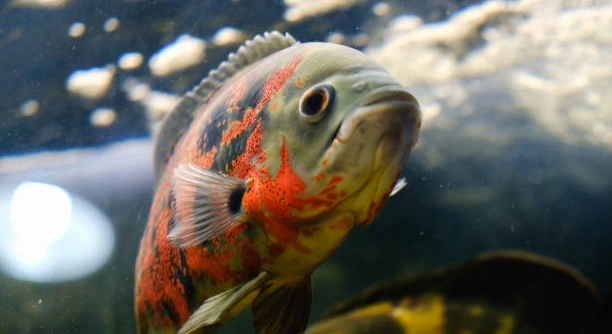
Oscar fish are fascinating creatures, often displaying intriguing behaviors. Their actions can communicate their needs or indicate health concerns. Understanding these signs can enhance your care routine and help you form a stronger bond with your fish.
Oscar fish exhibit distinct behaviors to communicate their emotions and needs. These signs can range from aggressive displays to subtle movements, each offering insights into their well-being, environmental preferences, and social interactions. Proper interpretation helps ensure their health.
By observing their actions carefully, you can better meet your Oscar fish’s needs. Knowing what they are trying to tell you can improve their living environment and overall care. Let’s explore what these behaviors truly mean.
1. Aggression and Territorial Behavior
Oscar fish are known for their territorial nature. They tend to become aggressive when they feel their space is threatened, especially when other fish are introduced into the tank. This aggression is often displayed through chasing, biting, or even flaring their fins. It’s important to understand that aggression is a natural part of their behavior, particularly during breeding or when they are not acclimated to new surroundings.
Sometimes, Oscars will bully other tank mates, showing dominance through body posturing. They may swim aggressively or attack fish that venture too close to their perceived territory. If you notice frequent aggression, it might indicate that the tank is too small, or the fish are stressed due to inadequate hiding spaces. The aggression could also stem from water quality issues or inconsistent tank conditions.
Understanding these behaviors will help you manage aggression by providing more space, appropriate tank mates, and enhancing the overall environment to reduce stress. Oscars thrive in larger aquariums with plenty of hiding spots and visual barriers to reduce tension.
2. Unusual Swimming Patterns
Oscar fish may display erratic or unusual swimming patterns, which can signal health issues or discomfort. If your Oscar is constantly swimming in circles or darting back and forth, it may be a sign of stress, poor water quality, or an internal parasite. In some cases, these unusual movements could indicate that the fish is attempting to escape an environment it finds uncomfortable.
The key to identifying the cause is observing any other behavioral changes. If your Oscar starts to swim erratically, check the water conditions first. Poor water quality, high ammonia, or unbalanced pH levels can lead to disorientation and discomfort in your fish. Maintaining stable water parameters is essential for your Oscar’s health. In cases where water quality is good, but swimming patterns continue, it may indicate an underlying illness, and a closer look should be taken.
Be mindful of any persistent changes in swimming. If unusual behavior persists, it’s crucial to investigate water conditions, diet, and overall health to ensure your Oscar is comfortable and thriving.
3. Biting and Nipping
Oscar fish can become nippy, especially when they feel threatened or excited. This behavior is often directed at other fish or objects in the tank. It’s a way for them to assert dominance or test their environment. If your Oscar starts biting, it’s important to check for any changes in the tank.
In many cases, biting can be a sign that your Oscar is either hungry or stressed. If there are no other fish to target, it may begin to nip at tank decorations or plants. If this behavior becomes frequent, it may indicate boredom or a lack of stimulation in the tank. Consider adding enrichment to help distract your Oscar from excessive nipping.
Ensuring that your Oscar has a balanced environment with plenty of space and tank mates can reduce aggressive biting. Additionally, regular feeding schedules can help curb this behavior, as hunger can often lead to frustration and more aggressive actions. Avoid overcrowding the tank to prevent unnecessary stress.
4. Gasping at the Surface
Gasping at the water’s surface is a common sign that your Oscar fish is having trouble breathing. This can happen when the oxygen levels in the water are low or if the water quality is poor. Keep an eye on your Oscar, especially if you notice it frequently surfacing for air.
Low oxygen levels can be caused by inadequate filtration or overstocking the tank with too many fish. Poor water conditions, like high ammonia or nitrite levels, can also prevent your Oscar from getting enough oxygen. Regular water changes and a well-maintained filter system are essential to keep oxygen levels stable.
If your Oscar continues to gasp despite good water conditions, check its gills for signs of damage or infection. Gasping may also occur if your fish is stressed due to aggressive tank mates or inadequate space. Providing a proper environment and ensuring the water is clean and well-oxygenated can greatly improve your fish’s comfort.
5. Flashing and Rubbing Against Objects
Flashing, where your Oscar fish quickly swims or rubs its body against objects in the tank, is a common behavior. It is often a sign that your fish is experiencing discomfort, such as irritation from parasites or poor water quality. If your Oscar exhibits this behavior, it needs immediate attention.
Flashing can also happen when Oscars are trying to shed skin or deal with irritants. It’s essential to examine your water conditions carefully. Ensure your tank’s filtration system is functioning well and that water parameters like ammonia, nitrites, and pH levels are within a healthy range.
If flashing continues, you may need to check for external parasites like ich or skin infections. A close inspection of your fish’s skin, fins, and gills is crucial for identifying any potential issues. A quarantine tank can help isolate sick fish for treatment while maintaining the health of other tank mates.
6. Excessive Hiding
Excessive hiding can indicate that your Oscar is feeling stressed, sick, or scared. If your fish spends long periods in hiding spots, it may be a sign of discomfort, illness, or an environmental issue. Oscars are generally bold, so this behavior is worth investigating.
Hiding could be a response to sudden changes in the tank, such as a new tank mate or water temperature fluctuation. In some cases, an Oscar may hide when it feels unwell, often due to parasites or an infection. Consider monitoring the fish’s behavior for any signs of illness.
7. Pacing or Lurking
Pacing, or lurking near the glass of the tank, is another behavior that can suggest your Oscar is either bored or stressed. Oscars are highly intelligent fish and need stimulation to stay active and happy. If they are confined to a small tank or lack enough entertainment, they may pace repetitively.
This behavior is often seen in tanks that are too small or lack enrichment. Oscars thrive in larger spaces, and adding decorations or live plants can provide them with more to explore. A lack of proper stimulation can lead to frustration, causing them to pace and appear agitated.
FAQ
1. Why is my Oscar fish hiding all the time?
Oscar fish often hide when they are stressed, uncomfortable, or unwell. A change in their environment, such as the introduction of new fish, tank decoration, or a change in water parameters, can trigger this behavior. If your Oscar is hiding more than usual, check the water quality, including ammonia, nitrite, and pH levels. Oscars also need plenty of space, so make sure your tank is large enough for them. If your fish continues to hide despite stable water conditions and a spacious tank, it may be a sign of illness or parasites, and it’s best to consult a vet or aquarium expert.
2. How can I stop my Oscar from being aggressive?
Aggression in Oscar fish is common, particularly if they feel their space is threatened. One way to reduce aggression is by ensuring the tank is large enough, as Oscars tend to be territorial. If you have other fish in the tank, choose tank mates carefully—avoid species that might provoke your Oscar. Additionally, providing plenty of hiding spots and visual barriers, like plants or rocks, can help reduce stress and aggressive behaviors. It’s important to monitor water quality regularly, as poor conditions can also contribute to aggressive tendencies.
3. My Oscar is constantly swimming in circles. Should I be concerned?
If your Oscar fish is swimming in circles, it might be a sign of stress, poor water quality, or even a physical ailment like a parasite or infection. Make sure the water parameters, such as ammonia, nitrite, and pH levels, are all within the proper range. Poor water conditions can disorient your fish. If the water quality is stable and the behavior persists, you may want to examine your Oscar for any visible signs of illness or injury. If nothing is found, consider whether your Oscar might be bored or experiencing stress from other tank mates.
4. How do I know if my Oscar fish is sick?
Sick Oscar fish may exhibit signs such as lethargy, loss of appetite, abnormal swimming patterns, or changes in behavior like excessive hiding or flashing. You may also notice physical changes like discoloration, visible wounds, or inflamed gills. If your Oscar is not eating, showing unusual swimming behavior, or staying at the surface of the tank, it’s time to investigate further. Check water parameters for imbalances that could be causing stress. If symptoms continue, isolate the fish in a quarantine tank and consult an aquarium specialist for proper diagnosis and treatment.
5. Why does my Oscar swim up to the surface and gulp air?
Oscars sometimes swim to the surface and gulp air when oxygen levels in the water are low. This could be due to poor filtration or overcrowding in the tank. Make sure your tank is properly filtered and that water circulation is adequate to keep oxygen levels high. Additionally, check that the water temperature is appropriate for your Oscar’s needs. If the fish continues to gulp air despite good water conditions, it might indicate a respiratory issue or gill problems, which would require further attention.
6. What do I do if my Oscar is constantly nipping at other fish?
Oscar fish can become territorial and may nip at other fish in the tank. This is often a sign of stress or overcrowding. If your Oscar is nipping at other fish, ensure the tank is large enough and that there are plenty of hiding spots. Adding plants, rocks, and decorations can create barriers that give each fish its own space. Choosing tank mates that are not too small or easily intimidated by Oscars is important. If aggression persists, you might need to isolate aggressive fish or remove stressors in the tank.
7. Can my Oscar fish eat plants?
Yes, Oscar fish can eat plants. While they are primarily carnivorous, they may nibble on soft plants in the tank if they’re hungry or bored. If you want to keep plants in the tank, it’s best to choose hardy species that can withstand occasional nibbling. You can also try feeding your Oscar a varied diet with protein-rich food, like live or frozen foods, to reduce the likelihood of plant-eating behavior. If your Oscar is constantly eating plants, it could indicate a lack of stimulation or dietary imbalance.
8. Why is my Oscar fish swimming upside down?
Swimming upside down is not normal behavior for an Oscar fish. This could indicate a serious health issue, such as a swim bladder disorder, which affects the fish’s ability to maintain buoyancy. Swim bladder problems can be caused by various factors, including overfeeding, constipation, or a bacterial infection. If your Oscar is swimming upside down, try feeding it less and using high-quality food to avoid overfeeding. If the behavior persists, consult an aquarium expert or vet to diagnose and treat the underlying problem.
9. How can I tell if my Oscar is stressed?
Signs of stress in Oscar fish include excessive hiding, erratic swimming, loss of appetite, and aggression. Stress can be caused by poor water quality, overcrowding, or incompatible tank mates. Monitoring water parameters and maintaining stable tank conditions can help reduce stress. Additionally, providing enough space for your Oscar to claim as its territory and offering plenty of hiding spots can make it feel more secure. Stress can weaken your fish’s immune system, so addressing the cause is crucial for its long-term health.
10. How often should I feed my Oscar fish?
Oscar fish should be fed once or twice a day, depending on their size and activity level. A balanced diet is important, so make sure to offer a variety of foods, including pellets, frozen or live foods like shrimp, and occasional vegetable matter. Overfeeding can lead to water quality issues and health problems like obesity or constipation. A good rule of thumb is to feed only as much as your Oscar can consume in about 3-5 minutes. Remove any uneaten food promptly to prevent it from polluting the tank.
11. Can I keep multiple Oscar fish together?
Oscar fish can be kept together, but only if the tank is large enough to accommodate multiple fish. Oscars are territorial and can become aggressive towards each other, especially if there isn’t enough space. If you plan to keep more than one Oscar, ensure your tank is at least 100 gallons to provide plenty of room for each fish to establish its territory. Additionally, monitor their behavior closely to prevent fighting or bullying. Keeping Oscars with similar-sized fish can also reduce aggression.
12. How do I clean my Oscar’s tank?
Regular maintenance is key to keeping your Oscar’s tank clean. Perform partial water changes every 1-2 weeks, replacing about 20-30% of the water. Check and clean the filter regularly to ensure it’s functioning well. Use a siphon to remove debris from the substrate and clean decorations and glass as needed. Be careful not to disrupt the biological filter, which is essential for maintaining water quality. Keeping your tank clean helps prevent illness and provides a healthier environment for your Oscar.
Final Thoughts
Oscar fish are fascinating and intelligent creatures that can bring a lot of joy to your aquarium. Understanding their behavior is key to providing them with the best care possible. Whether it’s recognizing signs of aggression, stress, or illness, being able to interpret their actions helps you maintain a healthy and happy environment for your fish. Their behaviors are often linked to their environment, so keeping the water quality stable and ensuring they have enough space can make a big difference in their well-being.
When it comes to tank setup, providing the right space and hiding spots for your Oscar is crucial. Oscars are territorial and can become stressed in cramped environments, so a larger tank with plenty of room is essential. Adding decorations, rocks, and plants can also help reduce aggressive behavior and give your fish a sense of security. In addition, carefully selecting tank mates that are compatible with Oscars will help prevent aggression and other issues. It’s important to remember that Oscars need both physical and mental stimulation to stay healthy, so keeping them in an environment where they feel safe and engaged is key.
Lastly, staying on top of water maintenance and feeding schedules will contribute to your Oscar’s long-term health. Regular water changes, monitoring water parameters, and avoiding overfeeding are important practices. As your Oscar grows and matures, it’s essential to adjust its diet and tank environment to meet its changing needs. By paying attention to their behavior, maintaining a stable environment, and offering them proper care, your Oscar will thrive in your home aquarium for many years to come.

Hello,
If you enjoy the content that we create, please consider saying a "Thank You!" by leaving a tip.
Every little bit helps us continue crafting quality advice that supports the health, happiness, and well-being of pets around the world, for pets of all shapes, sizes, and species.
We really appreciate the kindness and support that you show us!