
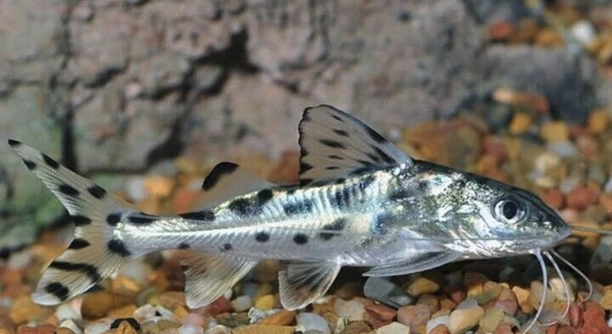
Pictus catfish are popular freshwater fish known for their active nature and striking appearance. When they settle into a new tank, they start showing distinct behaviors and physical signs. Observing these changes can help ensure they are adapting well to their environment.
When pictus catfish settle in, they exhibit increased swimming activity, explore tank corners, adjust their feeding habits, and interact more with tank mates. Their fins become more spread, and they show signs of comfort through regular breathing and stable coloration.
Recognizing these behaviors early helps you provide a better habitat and care for your new aquatic pets. Understanding their settling process supports their health and well-being in your aquarium.
Increased Activity and Exploration
When pictus catfish first arrive, they often seem restless. They swim actively around the tank, exploring every corner and crevice. This behavior is a clear sign they are adjusting to their new home. At first, you might notice them darting quickly, sometimes hiding behind plants or decorations. Over time, their movements become more relaxed and confident. This increased activity helps them become familiar with the space and establish a routine. It’s important to provide plenty of hiding spots and open swimming areas to support this natural behavior. A well-decorated tank reduces stress and encourages your catfish to be more active. If they suddenly stop exploring or hide all the time, it may indicate discomfort or illness. Watching how they move and explore will give you insight into their comfort level and health in the aquarium.
Exploration is a positive sign of settling. It shows your pictus catfish are adjusting and feeling safer in their new environment.
Keeping your tank varied with plants, rocks, and caves helps maintain their interest and promotes natural behaviors. This activity is essential for their well-being and mental stimulation. Over time, as they settle, their explorations will become less frantic and more purposeful. This balance between activity and rest is an indicator of a healthy adjustment.
Changes in Feeding Behavior
Feeding habits often shift when pictus catfish settle into a new tank. They might eat less or refuse food at first as they adjust to new surroundings and feeding times. This can be worrying but is usually temporary. Gradually, their appetite should improve as they become more comfortable. It’s important to offer a variety of foods such as sinking pellets, frozen or live treats to encourage eating. Patience is key during this phase. Regular feeding schedules help them feel secure and establish a routine. Monitoring their intake will help you notice any problems early.
Pictus catfish may take time to recognize feeding routines and become confident enough to eat openly. Offering food near their usual resting spots can help. This change in feeding behavior reflects their adaptation to the tank environment and your care routine. Ensuring clean water and stable conditions also supports their appetite. Overfeeding should be avoided to prevent water quality issues. Feeding small portions multiple times a day works best. As they settle, their hunger signals will become clearer, making feeding times more predictable and enjoyable for both you and the fish.
Interaction with Tank Mates
Pictus catfish usually become more social with tank mates after settling in. They often swim near other fish without showing aggression. This signals their comfort in the environment.
Once they feel secure, pictus catfish may swim alongside other peaceful fish and even explore together. Their peaceful nature means they prefer to avoid confrontation. However, they might display brief chasing behaviors during feeding or territory establishment, which is normal. It’s important to keep their tank mates compatible to avoid stress. Introducing aggressive species can disrupt their calm and cause hiding or aggression.
Their increased social behavior also shows in their body language. Spread fins and relaxed swimming patterns indicate they are comfortable sharing space. Over time, they learn to recognize and react calmly to other fish’s presence, contributing to a balanced tank environment. Watching these interactions can help you understand their well-being and tank dynamics.
Changes in Physical Appearance
Pictus catfish often show physical signs of settling in. Their colors become more vibrant, and fins appear fuller and healthier. This is a good indication of reduced stress and good health.
As they adapt, their skin and scales regain brightness, which reflects proper nutrition and environment. Dull or faded colors usually mean stress or poor water quality. Healthy, smooth fins without tears or damage also signal that the catfish is comfortable. Regular water changes and a balanced diet support this improvement. Their barbels, the whisker-like feelers, should be clean and active, helping them explore and find food effectively.
Watching these physical changes over time gives clues about their adjustment progress. Sharp, clear markings and steady growth are signs the fish thrive in the aquarium. Neglecting water conditions or diet can delay or reverse these improvements. So, keeping the tank clean and feeding well-balanced meals will encourage these positive changes and ensure your pictus catfish looks and feels its best.
Use of Hiding Spots
Pictus catfish often use hiding spots more when they first settle. This behavior helps them feel safe as they adjust.
Over time, they will balance their time between hiding and swimming openly. Providing caves or plants helps them feel secure and reduces stress during this period.
Breathing Patterns
Settling pictus catfish show steady and calm breathing. Rapid or erratic breathing may indicate stress or poor water quality.
Monitoring their breathing is a simple way to check their comfort and health in the tank environment.
Changes in Coloration
Color changes in pictus catfish are common as they settle. Their colors usually brighten and become more vivid.
This shift reflects better health and adaptation to their environment. Dull colors can signal stress or illness, so it’s important to keep water conditions stable.
Increased Awareness
Pictus catfish become more aware of their surroundings once settled. They respond quickly to movements outside the tank or changes inside.
How long does it take for pictus catfish to settle in?
Pictus catfish usually take about one to two weeks to fully settle into a new tank. During this time, they may show signs of stress such as hiding more or eating less. Gradually, as they become familiar with their environment, their behavior normalizes. Factors like tank size, water quality, and tank mates affect how quickly they adjust. Keeping a stable environment and avoiding sudden changes helps speed up the settling process. Patience is key since each fish adapts at its own pace.
What are common signs that pictus catfish are stressed?
Signs of stress in pictus catfish include hiding excessively, reduced appetite, rapid breathing, clamped fins, and dull coloration. Stress can also cause erratic swimming or staying at the surface or bottom of the tank unusually long. These symptoms often point to water quality problems, incompatible tank mates, or sudden changes in the tank environment. Addressing these issues by improving water conditions, offering hiding spots, and keeping compatible fish will reduce stress and help the catfish settle comfortably.
Can pictus catfish live with other fish species?
Yes, pictus catfish are generally peaceful and can live with many other community fish. They do best with non-aggressive species that occupy different parts of the tank, like tetras, rasboras, or gouramis. Avoid keeping them with very aggressive or overly territorial fish, as this can cause stress and injury. Pictus catfish prefer a tank that mimics their natural habitat, with plenty of hiding spots and open swimming areas. Proper tank mates help maintain a peaceful environment where they can thrive.
How often should I feed my pictus catfish?
Feeding pictus catfish small amounts two to three times a day is ideal. They are bottom feeders and prefer sinking pellets, frozen or live foods like bloodworms or brine shrimp. Overfeeding can cause water quality issues, so it’s better to feed only what they can eat in a few minutes. Consistent feeding routines help them settle and feel secure. Varying their diet also supports their health and coloration, making sure they get all necessary nutrients.
What water conditions are best for pictus catfish?
Pictus catfish prefer clean, well-oxygenated water with temperatures between 72°F and 79°F (22°C to 26°C). The pH should be slightly acidic to neutral, around 6.5 to 7.5. Regular water changes and good filtration are essential to maintain quality and reduce stress. Avoid sudden temperature changes or poor water quality, as these can lead to illness. Stable, clean water supports their immune system and encourages natural behavior, helping them settle more quickly in your tank.
Why do pictus catfish hide so much when first introduced?
Hiding is a natural response when pictus catfish are introduced to a new environment. It helps them feel safe as they assess potential threats and get used to the tank. Providing plenty of caves, plants, or decorations encourages hiding spots. As they grow more comfortable, they will spend more time swimming openly. Excessive hiding after a long period, however, can indicate stress or poor tank conditions that need attention.
How can I tell if my pictus catfish is healthy?
Healthy pictus catfish have clear, bright eyes, vibrant coloration, and intact fins. They swim actively with smooth, steady movements and respond to feeding. Their barbels should be clean and not damaged. Lack of appetite, sluggishness, pale colors, or fin damage are signs of illness or stress. Regular observation and maintaining good water quality are the best ways to ensure their health. Early detection of problems makes treatment easier and improves their chances of recovery.
Do pictus catfish need a special tank setup?
Yes, pictus catfish benefit from a tank setup that mimics their natural habitat. A soft substrate like sand or smooth gravel protects their sensitive barbels. Provide hiding places using plants, driftwood, or caves to reduce stress. They also need open swimming areas and good water flow. A well-filtered tank with stable water parameters is essential. This setup supports their health, encourages natural behavior, and helps them settle comfortably in your aquarium.
Are pictus catfish nocturnal or active during the day?
Pictus catfish are mostly nocturnal but can be active during the day, especially as they settle in. They tend to rest during bright daylight and become more active around dusk or at night. Offering dim lighting or shaded areas helps them feel secure and encourages natural behavior. Observing their activity patterns can give insight into their comfort level and overall health in the tank.
What should I do if my pictus catfish stops eating?
If your pictus catfish stops eating, check water quality immediately, as poor conditions are a common cause. Observe for signs of illness or stress like rapid breathing or hiding. Offer different foods, such as frozen or live treats, to stimulate appetite. Avoid overfeeding and maintain a stable environment with minimal disturbances. If the issue persists for several days, consider consulting a vet or aquatic specialist to rule out disease. Prompt action helps prevent long-term health problems.
When pictus catfish settle into a new tank, patience and observation are important. These fish show many signs as they adjust, from exploring their environment to changes in feeding and social behavior. Paying close attention to these changes can help you understand how well they are adapting. It’s natural for them to be cautious at first, often hiding or moving carefully. Over time, their activity increases, and they begin to interact more confidently with their surroundings. A stable tank with proper water conditions, hiding places, and compatible tank mates makes the process smoother for them.
Taking care of pictus catfish means keeping the environment clean and consistent. Good water quality is one of the most critical factors for their health and comfort. Regular water changes, proper filtration, and monitoring temperature and pH levels ensure they remain stress-free. Stress can weaken their immune system and slow down the settling process. Offering a balanced diet with variety encourages them to eat well and stay healthy. Watching their physical appearance, such as vibrant colors and healthy fins, gives clues about their well-being. If any signs of stress or illness appear, addressing them quickly is necessary to keep the fish thriving.
In summary, understanding how pictus catfish settle in helps provide better care and a more enjoyable aquarium experience. Each fish may take a different amount of time to feel at home, but supporting their natural behaviors leads to a healthy and active life. Providing a comfortable habitat with hiding spots, steady feeding routines, and compatible tank mates contributes to their happiness. Observing their behavior closely during the first weeks is key to ensuring they settle well. With care and attention, pictus catfish can become a lively and beautiful addition to your aquarium.

Hello,
If you enjoy the content that we create, please consider saying a "Thank You!" by leaving a tip.
Every little bit helps us continue crafting quality advice that supports the health, happiness, and well-being of pets around the world, for pets of all shapes, sizes, and species.
We really appreciate the kindness and support that you show us!