
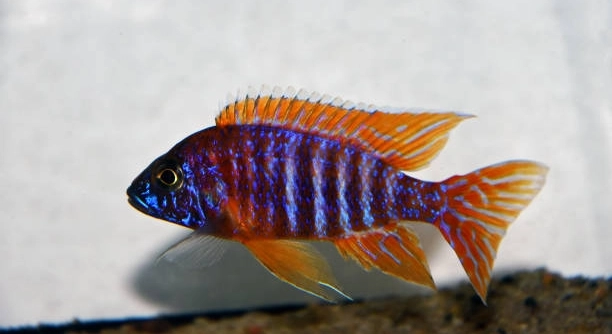
Cichlids are popular aquarium fish known for their vibrant colors and interesting behaviors. Watching them interact can be fascinating, especially when they form strong bonds with each other. These connections reveal unique signs that indicate their social relationships.
When cichlids bond, they display behaviors such as swimming closely together, synchronized movements, shared territory defense, mutual grooming, and reduced aggression. These actions signify trust and social attachment, reflecting well-established pair or group bonds within their environment.
Recognizing these signs helps aquarium owners better understand their fish’s social needs and improve their care. The following points highlight what to observe when cichlids form strong bonds.
Close Swimming and Physical Contact
Cichlids that bond often swim very close to each other. This close swimming shows comfort and trust between the fish. You may notice them brushing against one another or resting side by side. Physical contact like this is not common among all fish, so when you see it in cichlids, it means they feel secure together. This behavior can also help strengthen their bond over time, as touching releases calming signals. It is common for bonded pairs or groups to stay near one another, especially during feeding or resting times. Observing this behavior in your tank can be a clear sign that your cichlids have developed a strong social connection.
Close swimming reduces stress and encourages cooperation in cichlid groups. It is a natural way they show they accept each other.
Watching these interactions can help you understand your fish better. This knowledge can improve how you manage their environment and promote their well-being by minimizing conflicts and encouraging peaceful coexistence.
Synchronized Movements and Territory Defense
Bonded cichlids often move in sync, matching each other’s swimming patterns and gestures. This synchronization shows coordination and trust. They also work together to defend their shared territory from intruders. This defense can include chasing away other fish or displaying aggressive postures side by side. Such cooperation is a strong sign of bonding because it requires communication and mutual understanding.
Synchronized swimming and joint defense build a stronger social unit. These behaviors help protect their home and resources.
When cichlids move together, it is easier for them to respond quickly to threats. This coordination keeps their group safe and stable. Defense of territory is vital for breeding pairs, as it secures a safe place for eggs and fry. The way they stand guard together also reduces stress and promotes a healthier environment for all tank inhabitants. Recognizing these behaviors can guide you in providing the right space and conditions for your cichlids to thrive socially and physically.
Mutual Grooming and Cleaning
Mutual grooming is a clear sign of bonding in cichlids. They will often nibble gently on each other’s fins and bodies to remove parasites or debris. This behavior strengthens their relationship and builds trust.
When cichlids groom each other, it shows cooperation and care. This action helps maintain health by reducing parasites and improving skin condition. It also lowers stress levels and promotes calmness in the tank. Grooming is often seen in pairs or groups that have formed strong social bonds. This interaction is beneficial both physically and emotionally for the fish, creating a supportive environment.
Mutual grooming also signals acceptance. Fish that groom each other tend to be less aggressive and more tolerant. In crowded tanks, this behavior helps maintain peace. Noticing mutual grooming is an easy way to identify bonded pairs and groups. It encourages owners to keep these fish together, respecting their social needs for a happier aquarium.
Reduced Aggression and Increased Cooperation
Bonded cichlids display much less aggression towards each other. Instead, they cooperate in feeding, territory defense, and breeding. This change is important for tank harmony and overall fish health.
Reduced aggression allows cichlids to share space peacefully. It prevents injuries that could arise from constant fighting. When cichlids bond, they prioritize cooperation over competition, which helps create a stable social hierarchy. Cooperation is often shown during feeding when fish take turns or feed alongside each other without conflict. It also appears during breeding when pairs protect eggs and young together. The decrease in aggressive behaviors improves the quality of life for all fish in the tank and encourages natural behaviors. Watching your cichlids grow more tolerant of each other shows they have formed meaningful bonds that benefit the entire aquarium community.
Sharing Food and Resources
Bonded cichlids often share food without showing signs of competition. They allow each other access to feeding areas and take turns eating. This sharing is rare among unbonded fish.
This behavior reflects trust and social cooperation. Sharing resources helps reduce stress and aggression in the tank, creating a more peaceful environment for all fish.
Body Language and Color Changes
Cichlids use body language and subtle color shifts to communicate their bond. Changes in posture, fin display, and brightness signal affection and social status. These visual cues help maintain harmony within the group and reduce misunderstandings.
Joint Nest Building
Bonded pairs often work together to build nests or prepare breeding sites. This cooperative effort strengthens their connection and increases the chances of successful reproduction.
Watching for These Signs
Observing these behaviors in your cichlids can enhance how you care for them. It allows you to support their natural social patterns effectively.
What are the first signs that cichlids are bonding?
The first signs usually include close swimming and reduced aggression. When cichlids start spending more time near each other without fighting, it means they are forming trust. You may also see them sharing space comfortably and moving in sync. These early signs indicate the beginning of a social connection.
How long does it take for cichlids to bond?
Bonding time varies depending on species, tank conditions, and individual fish personalities. Some cichlids may form bonds in a few days, while others take weeks. Stable water conditions and enough space speed up bonding. Stress, overcrowding, or constant changes delay this process. Patience is key to letting natural social bonds develop.
Can cichlids bond with fish of different species?
Usually, cichlids bond best with their own kind or closely related species. Cross-species bonding is rare but possible in peaceful community tanks with compatible fish. However, mixing aggressive cichlids with other species can cause stress or fighting. Careful selection of tank mates and monitoring behavior is important to maintain harmony.
Is bonding permanent among cichlids?
Bonds can be strong but are not always permanent. Changes in tank environment, introduction of new fish, or breeding cycles may alter relationships. Some pairs stay bonded for life, especially breeding pairs, while others may separate or show aggression again. Maintaining a stable and comfortable habitat helps keep bonds intact longer.
What role does territory play in bonding?
Territory is crucial in cichlid bonding. Bonded fish often share and defend a common territory together. This joint defense strengthens their relationship and protects resources like food and breeding sites. A well-defined territory reduces stress and fights, allowing the bond to grow naturally. Providing hiding spots and boundaries supports territorial behaviors.
How does bonding affect breeding success?
Bonding improves breeding success by increasing cooperation between pairs. Bonded cichlids work together to build nests, guard eggs, and protect fry. This teamwork leads to higher survival rates of offspring. Pairs that bond well tend to be more attentive and less aggressive during breeding, creating a safer environment for young fish.
Can stress break cichlid bonds?
Yes, stress can weaken or break bonds. Poor water quality, overcrowding, sudden changes, or aggressive tank mates cause stress that affects social behavior. Stressed cichlids may become aggressive or avoid bonded partners. Keeping a clean, stable tank with enough space reduces stress and helps maintain bonds.
How can I encourage bonding in my cichlids?
Provide a calm environment with stable water parameters and adequate space. Add hiding spots and territory markers to reduce conflict. Feed regularly and avoid overcrowding. Introducing fish gradually and observing their behavior helps. Positive interactions like synchronized swimming or mutual grooming will increase naturally over time.
Do bonded cichlids show different feeding behaviors?
Yes, bonded cichlids often feed together without competition. They may share food sources or take turns eating. This cooperative feeding reduces stress and aggression. Observing peaceful feeding behavior is a good indicator that bonds have formed.
What should I do if aggression returns between bonded cichlids?
If aggression returns, check tank conditions first—poor water quality or overcrowding may cause stress. Separate fish temporarily if fighting causes injury. Adjust territory layout with decorations or plants to create boundaries. Monitor behavior closely and reintroduce fish slowly when conditions improve.
Can cichlids bond with humans?
Cichlids recognize their caretakers but bonding with humans differs from fish-to-fish bonds. They may show curiosity or come close during feeding but do not form social bonds like with other cichlids. Regular interaction and consistent care help build trust, making them more comfortable around you.
Understanding how cichlids bond is helpful for anyone keeping these fish in an aquarium. Their social behaviors show that they are not just colorful pets but complex creatures with clear ways of connecting. Noticing signs like close swimming, mutual grooming, and shared territory can help owners support their cichlids’ natural needs. When cichlids form strong bonds, they live more peacefully and display healthier behaviors, which makes the aquarium experience more enjoyable for both the fish and the caretaker.
Bonding among cichlids is influenced by many factors such as tank size, water conditions, and the mix of fish species. Providing a stable and comfortable environment is important to encourage these social connections. Stress, overcrowding, or sudden changes can harm bonds or cause aggression. Taking the time to observe how your cichlids interact allows you to adjust their surroundings and improve their well-being. Small changes, like adding hiding spots or managing feeding schedules, can have a big impact on how well your fish get along.
Ultimately, watching bonded cichlids reveals much about their social lives and natural instincts. These behaviors are part of their survival and reproduction strategies. Respecting and supporting their social needs not only benefits the fish but also makes caring for them more rewarding. By understanding and encouraging these bonds, you create a healthier, more balanced aquarium where your cichlids can thrive. This attention to their social behavior deepens the connection between owner and fish and enriches the experience of keeping cichlids.

Hello,
If you enjoy the content that we create, please consider saying a "Thank You!" by leaving a tip.
Every little bit helps us continue crafting quality advice that supports the health, happiness, and well-being of pets around the world, for pets of all shapes, sizes, and species.
We really appreciate the kindness and support that you show us!