
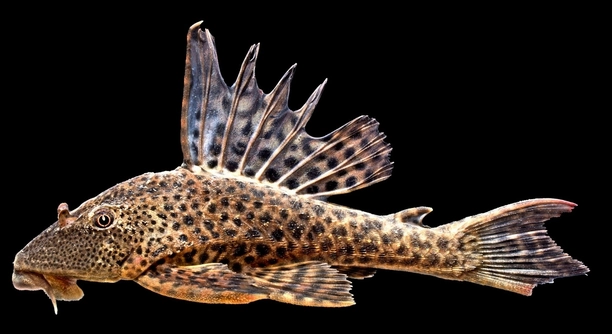
Aging plecos can be fascinating to observe as they change over time. These fish, known for their unique appearances, often go through noticeable changes as they get older. Understanding these changes can enhance your experience as a fish keeper.
As plecos age, they exhibit a variety of physical and behavioral changes. These include growth in size, color alterations, and sometimes a shift in their overall activity levels. These changes are part of their natural aging process.
These changes can often affect their health and habits. Knowing what to look for will help ensure they stay healthy as they grow older.
Physical Changes as Plecos Age
As plecos age, their appearance changes in several ways. They tend to grow larger, especially if they have been well cared for. Their bodies may become more rounded or thicker, and their skin can lose some of its original color, turning duller or lighter. Some plecos develop noticeable patterns or darker patches on their bodies, which can also be a sign of aging. Their spines and fins may also show wear over time, and the once sharp edges can appear smoother or more worn out. These physical changes are completely normal as they age, but they may need adjustments in their environment or diet to stay healthy.
Aging plecos can become less active and start spending more time resting at the bottom of the tank. This slowdown is typically a natural part of aging, but it is important to monitor their diet and water conditions to keep them comfortable.
With older plecos, you might also notice an increase in their need for hiding spots. As they age, they may become more reclusive, spending more time in caves or behind plants. This change is often linked to their declining energy levels and need for security. Older plecos are also more prone to health issues like skin infections or fin rot due to their weakened immune systems. Regular tank maintenance and ensuring the water quality stays optimal can help reduce these risks. It’s important to monitor their behavior and health closely, as their older age makes them more vulnerable to illnesses.
Behavioral Shifts
Older plecos tend to be less active than they were in their younger years. They might not scavenge the same way or explore their environment as eagerly as they once did. This is a natural change due to their aging process.
Along with reduced activity, plecos might become more solitary and less interactive. In their younger years, they are often more curious, exploring every inch of their tank. As they grow older, however, they are more likely to find a spot to rest and remain there for long periods. This shift in behavior might make them seem distant, but it is simply part of the aging process. Additionally, their feeding habits might change. Older plecos may become less enthusiastic about certain foods, so offering a varied diet can help keep them healthy and encourage eating. These changes are all common, but it’s important to pay attention to how they adapt to their surroundings to make sure they are as comfortable as possible.
Changes in Feeding Habits
As plecos age, their appetite may decrease. They might not eat as much or as frequently as they did when they were younger. This could be due to reduced energy levels or even slight digestive changes.
If you notice your pleco eating less, it’s essential to offer a varied diet. Try offering softer foods like blanched vegetables or algae wafers that are easier for them to digest. It’s important to avoid overfeeding since older plecos often don’t burn calories as efficiently. Also, if your pleco stops eating entirely for a long period, it could indicate a health problem that needs attention.
Some older plecos may also become pickier with their food choices. They might reject certain types of food they previously enjoyed. Offering different types of food can help, but be sure to focus on the nutritional needs of your aging pleco. Avoid feeding them too many high-protein foods as it could lead to health issues. Monitoring their food intake ensures they’re getting the right nutrients while accommodating their changing preferences.
Health Concerns
Older plecos are more susceptible to health problems. Their immune systems weaken over time, making them more prone to infections and diseases. Regular water changes and keeping the tank clean can help prevent these issues.
Common health concerns in aging plecos include skin problems like lesions or discoloration, fin rot, and internal parasites. It’s crucial to monitor their skin closely for signs of distress, as well as their behavior. Sluggishness or abnormal swimming patterns may signal a health issue. Early detection of these problems allows for quicker intervention, improving their chances of recovery.
In addition, older plecos may develop issues with their swim bladder. This can cause them to float unevenly or struggle to maintain buoyancy. If you notice this, it’s best to adjust their diet to include foods that promote better digestive health. Maintaining stable water conditions, including proper temperature and pH levels, is also key to ensuring their overall well-being. Keep a close eye on their behavior and physical appearance to help them live a healthier, longer life.
Tank Environment Adjustments
As your pleco ages, it may require some adjustments to its environment. Older plecos tend to become more sensitive to water quality and temperature fluctuations. Regular tank maintenance is crucial to keep their habitat healthy.
It’s also important to ensure there are enough hiding spots for your pleco. Aging fish may appreciate a quiet, secure place where they can rest. Adding caves or dense plants provides them with spaces to retreat, helping reduce stress. Keeping the water clean and well-filtered will contribute to their comfort and overall health.
Social Behavior Changes
Plecos are usually solitary fish, but older ones can become even more reclusive. They may avoid interactions with tank mates, especially if the tank is too busy or noisy. Reducing tankmate stress is important.
Sometimes, plecos will stop being as social with other fish, preferring their own company. This behavior shift often means they prefer peaceful surroundings, where they don’t feel pressured to compete for food or space. It’s key to keep their tank mates calm and avoid overcrowding, which can make them more stressed.
Lifespan Expectations
The lifespan of a pleco is typically 10-15 years, but this can vary depending on the species and care. Older plecos will show signs of age over time.
Monitoring your pleco’s health and behavior is vital as they approach the later stages of life. While their life expectancy is relatively long, you may notice signs of aging, such as reduced activity and appetite. Ensuring their habitat is optimal can help them live out their later years comfortably.
FAQ
How can I tell if my pleco is getting too old?
As plecos age, their physical appearance and behavior start to change. You may notice them becoming less active, spending more time at the bottom of the tank, or seeking out hiding spots. Their skin may lose some of its color, and their fins might become worn or frayed. You might also see a decrease in their appetite, or they may become more picky about what they eat. If your pleco is eating less or not swimming around as much, it could be a sign of aging.
What is the best diet for an aging pleco?
Older plecos often have slower metabolisms, so they may not need to eat as much. It’s important to offer them a balanced diet that includes algae wafers, fresh vegetables like zucchini, cucumber, and spinach, and occasional protein-rich foods like shrimp or worms. Make sure to avoid overfeeding and offer food in smaller portions to prevent waste and water quality issues.
Should I adjust the water conditions for an older pleco?
Yes, as plecos age, they become more sensitive to changes in water conditions. It’s essential to keep the water temperature stable, ideally between 74-80°F (23-27°C), and monitor the pH level, keeping it between 6.5 and 7.5. Regular water changes are necessary to maintain water quality, and a good filtration system can help ensure the water remains clean. Make sure to test for ammonia, nitrites, and nitrates regularly, as older plecos are more vulnerable to poor water quality.
Can an aging pleco live with other fish?
Older plecos are typically solitary by nature and may prefer to be left alone. They can live with other peaceful tank mates, but you may notice they become less social as they age. If you’re keeping multiple fish with your pleco, avoid aggressive species that might stress it out. It’s also important to ensure that your pleco has plenty of hiding spots in the tank, as they might become more reclusive as they get older.
What health issues should I watch for in an aging pleco?
As plecos age, they are more likely to develop health issues such as skin infections, fin rot, or swim bladder problems. If you notice your pleco swimming abnormally or having difficulty staying upright, this could be a sign of swim bladder disease. It’s also common for older plecos to develop lesions, discoloration, or faded skin. Keep an eye on their behavior for signs of lethargy, loss of appetite, or abnormal swimming patterns, and address any health concerns quickly.
How can I help my pleco stay comfortable as it ages?
To help your pleco stay comfortable, ensure that their tank environment is stable and stress-free. Provide plenty of hiding spots and make sure the water is clean and filtered. You should also avoid drastic changes in water temperature or tank conditions, as older plecos can be more sensitive to fluctuations. Offering softer, easily digestible foods can also improve their comfort. Finally, monitor their behavior and health closely to catch any issues early and prevent further stress.
How can I tell if my pleco is sick or just old?
It can be hard to distinguish between the signs of aging and illness, as both can cause similar symptoms, such as lethargy or loss of appetite. If your pleco is more reclusive than usual, this could be due to age, but if it’s not eating or exhibiting strange swimming behavior, it might be a sign of illness. Check for any unusual skin or fin damage, and look for signs of parasites or infection. If your pleco is having trouble swimming or staying upright, it may have a health issue. Consult with a vet or an experienced aquarist if you’re unsure.
Is it normal for plecos to become more reclusive as they age?
Yes, it’s completely normal for plecos to become more reclusive as they age. Older plecos tend to prefer quiet, low-stress environments and may spend more time hiding or resting. This behavior is often linked to a decrease in energy levels, and they may not explore or interact with their surroundings as much as they did when they were younger. As long as your pleco is eating and not showing signs of illness, this reclusive behavior is part of the natural aging process.
Can aging plecos live as long as younger ones?
Aging plecos can still live long lives, but their lifespan might be slightly shorter due to the wear and tear on their bodies over time. The typical lifespan of a pleco is around 10 to 15 years, depending on the species. However, as they age, they are more susceptible to health problems like infections, weakened immune systems, or digestive issues, which can shorten their lifespan. Proper care, such as maintaining water quality and offering a suitable diet, can help them live a longer, healthier life.
Should I be concerned about my pleco’s color change as it ages?
Yes, color changes in plecos are common as they age. Younger plecos typically have bright, vivid colors and patterns, but as they get older, they can become duller or lose some of their original color. This can be a normal part of the aging process. However, if the color change is accompanied by signs of illness, such as lesions, discoloration, or skin damage, it’s worth investigating further. Regular water changes, proper diet, and monitoring their health can help maintain their appearance and overall well-being.
What should I do if my aging pleco stops eating?
If your pleco stops eating, it could be a sign of health issues. It’s important to check the water quality and make sure it’s within the optimal range for plecos. If the water conditions are fine and your pleco is still refusing food, it could be dealing with stress, illness, or age-related digestive issues. Try offering softer foods, such as blanched vegetables or high-quality algae wafers, to make eating easier. If your pleco continues to refuse food for more than a few days, it’s a good idea to consult with an aquatic veterinarian to rule out any serious problems.
As plecos get older, their physical and behavioral changes are something every aquarium owner should be prepared for. While these changes are a natural part of the aging process, they can affect the way you care for your pleco. By paying attention to their needs and making necessary adjustments to their environment, you can help ensure they continue to live a comfortable and healthy life. Monitoring water quality, adjusting their diet, and providing hiding spots are all key factors in keeping an aging pleco happy.
It’s important to remember that older plecos might slow down and become more reclusive. They may not be as active or social as they once were, but that’s a common sign of aging. Their appetites may decrease as well, so it’s crucial to offer a variety of foods to encourage eating. Keep an eye on their health by watching for any signs of illness like skin changes, abnormal swimming behavior, or loss of appetite. Catching these problems early can help prevent more serious issues down the road.
Taking care of an aging pleco requires patience and attention, but the effort is rewarding. They can live for many years, and with the right care, they can continue to be a peaceful and fascinating addition to your aquarium. Just remember that every pleco is unique, and while aging is a natural process, it’s important to adjust your care routine based on their specific needs. By staying informed and observing their behavior closely, you’ll be able to provide the best environment for your pleco to thrive in its later years.

Hello,
If you enjoy the content that we create, please consider saying a "Thank You!" by leaving a tip.
Every little bit helps us continue crafting quality advice that supports the health, happiness, and well-being of pets around the world, for pets of all shapes, sizes, and species.
We really appreciate the kindness and support that you show us!