
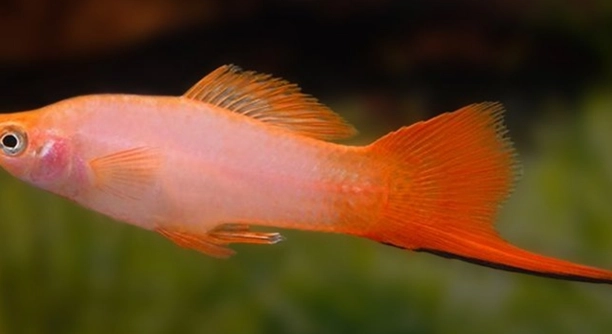
Swordtails are popular aquarium fish known for their vibrant colors and active nature. As a pet owner, it’s essential to understand how to properly care for them to ensure their well-being and happiness.
There are several common mistakes that can harm swordtails, such as improper water conditions, overfeeding, or housing them with incompatible species. Avoiding these pitfalls is crucial to maintaining a healthy environment for your fish.
Knowing what not to do is just as important as learning how to care for your swordtails. With a few helpful tips, you can provide the best possible care for these lively and beautiful fish.
1. Not Providing Proper Tank Size
One of the most common mistakes with swordtails is not giving them enough space. These fish are active swimmers and need room to move around. A tank that is too small can cause stress, which leads to poor health and even aggression. A 20-gallon tank is generally recommended for a small group of swordtails. Smaller tanks can result in territorial behavior, especially with males. It’s also important to consider the filtration system and ensure the water quality is maintained, as overcrowding can lead to unhealthy water conditions.
In a cramped environment, swordtails may also become more susceptible to diseases, as poor water quality can weaken their immune systems. Keeping your tank clean and properly sized will go a long way in promoting the health and happiness of your swordtails.
If you’re unsure about the right tank size, always opt for a larger one. This will ensure your fish have enough space to thrive and interact in a way that reflects their natural behavior.
2. Overfeeding Your Swordtails
Overfeeding swordtails can quickly lead to issues such as obesity and poor water quality. They are bottom-feeding fish that will readily eat anything they can find.
Feeding them too much can create uneaten food that decays in the tank, leading to spikes in ammonia levels. This can be harmful to both the swordtails and other inhabitants of the aquarium. Stick to feeding them once or twice a day, offering only what they can consume in a few minutes.
It’s also essential to offer a variety of foods to ensure they get the necessary nutrients. High-quality flakes, pellets, and occasional live or frozen foods like brine shrimp can give your swordtails a well-rounded diet. Remember to remove any uneaten food promptly. Keeping their diet balanced and controlled is key to maintaining their health and ensuring the tank stays clean.
3. Ignoring Water Quality
Maintaining good water quality is essential for swordtail health. Without it, they can become stressed and more prone to illness. Regular water changes and monitoring parameters like pH, ammonia, and nitrate levels will keep the environment stable. Aim for a weekly 25% water change to prevent the buildup of harmful substances.
If the water isn’t kept clean, swordtails can show signs of distress, like faded colors or lethargy. Testing water regularly with a quality aquarium kit will help you spot any problems early on. Swordtails thrive in slightly alkaline water with a temperature between 72-78°F. Keep in mind that fluctuations in water quality can lead to skin irritation or other infections.
By prioritizing water quality, you’re creating a healthy environment for your swordtails, allowing them to grow and display their best colors. Regular maintenance is the key to keeping them healthy and happy for years.
4. Mixing with Incompatible Species
Swordtails can be social fish, but mixing them with incompatible species can cause problems. Some fish may be too aggressive or territorial, stressing out your swordtails. This can lead to health issues or injuries. Always research tank mates before introducing them into your aquarium.
Species like bettas or fin-nipping fish should be avoided, as they can harm your swordtails. On the other hand, peaceful fish such as tetras or other livebearers can make great companions. It’s important to ensure all the species in your tank have similar water requirements and temperaments.
While swordtails are generally peaceful, the wrong tank mates can cause conflict. To avoid this, stick to non-aggressive fish with similar habits and avoid overcrowding. Keeping swordtails with compatible species creates a more balanced and peaceful aquarium environment.
5. Not Offering Enough Hiding Spaces
Swordtails are active and curious but still need places to hide when they feel threatened. Without adequate hiding spots, they can become stressed. Providing plants, rocks, or decorations will help your swordtails feel secure in their environment. This also reduces aggressive behavior from other tank mates.
Hiding spots are especially important in a community tank, where swordtails might need to escape from more dominant species. It’s simple to add natural plants like Java fern or artificial decorations that can create small caves. This allows your swordtails to rest when they need to feel safe and secure.
By giving them hiding spaces, you’re reducing the chances of stress and promoting better overall health in your fish.
6. Keeping Too Many Males Together
Too many males in one tank can lead to constant fighting and stress. Swordtail males are naturally territorial and will often compete for dominance. This can cause injuries, particularly if one fish is consistently bullied by others.
To avoid this, keep a good ratio of males and females. A 1:2 ratio of males to females helps balance out aggression. Male swordtails will focus on courting females, reducing the frequency of fighting. If you’re not planning to breed, it’s also helpful to introduce more females to give the males more opportunities to court and interact peacefully.
By keeping the ratio balanced, you can minimize stress and aggression among the males, creating a more harmonious tank.
FAQ
What is the ideal temperature for swordtails?
Swordtails thrive in water temperatures between 72°F and 78°F. Keeping the water within this range ensures they stay healthy and active. If the temperature drops too low or rises too high, they can become stressed, leading to weakened immune systems and a higher risk of disease. A reliable heater is essential to maintain a consistent temperature, especially in cooler climates. It’s also a good idea to use a thermometer to monitor the water closely and make adjustments as needed.
How often should I feed my swordtails?
Swordtails should be fed once or twice a day. Only offer as much food as they can consume in a few minutes to avoid overfeeding and water contamination. Be sure to remove any uneaten food to keep the tank clean. Swordtails are omnivores, so a varied diet of high-quality flakes, pellets, and occasional live or frozen foods will keep them healthy. It’s important to avoid overfeeding, as this can lead to obesity and poor water quality. A balanced diet ensures they get the nutrients they need without the risk of excess food.
Can swordtails live with other species?
Swordtails are generally peaceful but should not be kept with aggressive or fin-nipping species. Good tank mates for swordtails include peaceful fish like tetras, other livebearers, and small catfish. Avoid aggressive fish such as bettas, as well as species that might nip at the swordtails’ fins. Always research compatibility before introducing new fish to your tank. If you’re unsure, it’s safer to keep swordtails with other livebearers like mollies and platies, which have similar water and temperament needs.
Do swordtails need a filter?
Yes, swordtails require a filter to maintain good water quality. These fish produce a fair amount of waste, and a filter helps to remove toxins like ammonia and nitrates from the water. A quality filter also promotes proper water circulation, which is important for oxygenating the tank. Make sure the filter is appropriate for the size of your tank, as too strong of a current can stress the swordtails. Regular water changes are also necessary, even with a filter, to keep the tank in top condition.
What is the lifespan of swordtails?
Swordtails typically live for around 3 to 5 years when cared for properly. Their lifespan can be affected by water quality, tank conditions, diet, and overall care. By maintaining a clean tank, providing a balanced diet, and keeping the water parameters stable, you can help ensure they live a long, healthy life. Swordtails are relatively hardy, but they can be prone to diseases if conditions aren’t optimal. Regular observation and maintenance will help keep them in good health for the duration of their lives.
How do I breed swordtails?
Breeding swordtails is fairly easy if you have both males and females in the same tank. Swordtails are livebearers, meaning they give birth to live young rather than laying eggs. Female swordtails can become pregnant after mating, which typically happens in a 1:2 ratio of males to females. The gestation period for swordtails is around 3 to 4 weeks. Once the female gives birth, it’s best to separate the newborns from the adults, as the adults might eat them. Providing hiding spots in the tank can help protect the fry as they grow.
Are swordtails easy to care for?
Yes, swordtails are relatively easy to care for compared to many other aquarium fish. They are hardy, adapt well to a variety of water conditions, and have a calm temperament when housed in proper conditions. With proper care, such as maintaining water quality, offering a varied diet, and ensuring they have enough space to swim, swordtails can thrive in your aquarium. However, like all fish, they do require attention and maintenance to keep them healthy and happy.
How can I tell if my swordtail is sick?
Swordtails may show signs of illness in several ways. Common signs include changes in behavior, such as lethargy or hiding more than usual, faded colors, or visible spots or lesions on their skin. They may also swim erratically or have difficulty breathing. If you notice any of these symptoms, it’s important to isolate the sick fish if possible and treat the aquarium accordingly. Regular water testing can help prevent illness, as poor water conditions are often the root cause of health problems.
What do swordtails eat?
Swordtails are omnivores, meaning they will eat both plant and animal matter. Their diet can include high-quality fish flakes, pellets, live or frozen foods like brine shrimp, and occasional plant matter like algae or spinach. A varied diet ensures they get all the necessary nutrients, promoting vibrant colors and healthy growth. Avoid feeding them only one type of food to ensure they get a balanced diet. Additionally, always remove any uneaten food to prevent it from decaying in the tank and affecting water quality.
Can swordtails live in a community tank?
Yes, swordtails can live in a community tank as long as their tank mates are peaceful and share similar water requirements. They generally get along with other non-aggressive species, especially other livebearers. However, it’s important to avoid keeping them with aggressive or territorial fish. Swordtails are active swimmers and may compete for space with other species, so providing plenty of hiding spots and maintaining a good balance of males and females can help prevent stress and aggression.
Final Thoughts
Taking care of swordtails can be a rewarding experience, as they are colorful, active, and relatively easy to maintain when given the right environment. Their vibrant appearance and social nature make them a popular choice for both beginners and experienced fish keepers. However, like all aquarium fish, they require proper care to thrive. Providing them with a spacious tank, clean water, and a balanced diet are essential steps in ensuring their well-being. Swordtails also need appropriate tank mates, as mixing them with incompatible species can lead to stress and aggression.
It’s important to pay attention to the small details, like maintaining the right water temperature and avoiding overfeeding. Swordtails do best when their living conditions are stable, so regular water changes, a functional filter, and monitoring water quality are all necessary parts of their care routine. Their health can quickly decline if any of these factors are neglected. While they are relatively hardy fish, their longevity and happiness depend on the environment you create for them. This means staying consistent with tank maintenance and being mindful of any changes in behavior that might indicate health issues.
Lastly, swordtails are social creatures that benefit from the company of other peaceful fish. If kept in the right conditions and with compatible tank mates, they can thrive for several years. Understanding the basics of their care, such as tank size, feeding schedules, and water parameters, is crucial for ensuring they live long, healthy lives. By avoiding common mistakes and providing a comfortable and stable environment, you can enjoy the beauty and charm of swordtails in your aquarium for years to come.

Hello,
If you enjoy the content that we create, please consider saying a "Thank You!" by leaving a tip.
Every little bit helps us continue crafting quality advice that supports the health, happiness, and well-being of pets around the world, for pets of all shapes, sizes, and species.
We really appreciate the kindness and support that you show us!