
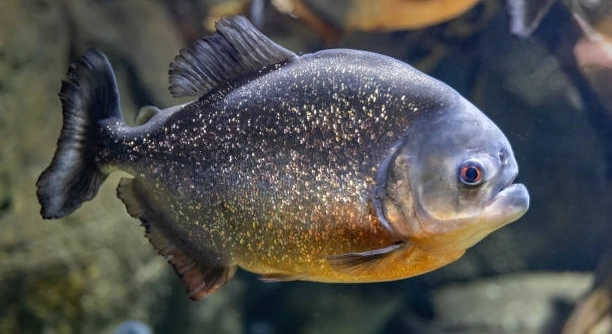
Caring for piranhas requires special attention to their environment and safety. Knowing what items to avoid near these fish is important for their well-being. This article explains what should never be placed close to a piranha.
Certain objects can cause harm or stress to piranhas, affecting their health and behavior. Items like sharp tools, non-aquatic plants, and strong chemicals must be kept far away to ensure a safe habitat. Proper care includes maintaining a clean and secure tank environment.
Understanding these key points will help you create a safer space for your piranha and avoid common mistakes many owners make.
Sharp Objects and Metal Tools
Sharp objects and metal tools can be very dangerous near piranhas. These fish have strong jaws and sharp teeth, but they can still get hurt if they come into contact with sharp edges. Even small cuts or scratches can lead to infections, which can be fatal underwater. Metal tools left near the tank can rust, releasing harmful chemicals into the water that affect the fish’s health. It’s best to keep any knives, scissors, or other sharp items far away from the tank area. Handling tank maintenance with plastic or rubber tools is safer and prevents accidents. Always check the tank surroundings and remove anything that could injure the piranha.
Keeping sharp objects away protects your piranha from injury and maintains a safer environment.
Proper tank care means using soft, safe materials and regularly inspecting the tank for anything that could cause harm. If you accidentally drop a metal tool near or inside the tank, remove it immediately and check the water quality. Sharp items also stress the fish, which can affect their appetite and behavior. Consistent care and caution will keep your piranha healthy and comfortable. Remember, safety starts with a careful setup and avoiding dangerous materials around their habitat.
Non-Aquatic Plants
Non-aquatic plants placed near or inside the tank can cause problems. These plants may decay quickly underwater and release harmful substances.
Using plants that do not belong in the water can poison your piranha’s environment.
Aquatic plants like Anubias or Java fern are better choices. Non-aquatic plants break down faster, clouding the water and causing bacteria growth. This leads to poor water quality and health risks for your fish. Dead plant material can also clog filters and reduce oxygen levels. Always research plants before adding them to your piranha’s tank. Healthy plants support a balanced ecosystem, while the wrong ones bring trouble. Choosing the right plants helps keep water clean and supports your fish’s natural behavior. Regular plant care and removal of decaying parts are essential to maintain a safe tank environment.
Strong Chemicals and Cleaning Products
Many cleaning products contain chemicals that are dangerous for piranhas. Even small amounts of bleach, ammonia, or detergents can poison the water. These chemicals harm the fish’s gills and skin, often causing severe stress or death. Using untreated tap water can introduce chlorine, which is toxic to piranhas. Always use water conditioners to remove chlorine and other harmful substances before adding water to the tank. Avoid spraying air fresheners, insecticides, or other chemicals near the aquarium. Residue from these products can settle into the water and poison your fish. Clean tank equipment with safe, fish-friendly products. When handling the tank, wash your hands thoroughly to avoid transferring soap or lotions. Keeping chemicals far from the tank ensures your piranha’s health and safety.
Preventing chemical exposure is key to a healthy aquatic environment. Even accidental spills can have serious effects on your fish. Use natural or aquarium-specific cleaning solutions and follow safety instructions. Careful handling and cleaning protect your piranha from unnecessary harm.
Food Items Not Meant for Piranhas
Feeding your piranha the wrong food can cause health issues. Avoid giving them anything outside their natural diet.
Piranhas are carnivorous and need a protein-rich diet. Feeding them bread, fruits, or processed foods can lead to malnutrition and digestive problems. These items don’t provide the nutrients they need and may pollute the tank water as they decompose. Stick to fish pellets, small fish, or frozen meat designed for carnivorous fish. Feeding the right food supports their growth and keeps them active. Overfeeding or giving inappropriate treats can weaken their immune system, making them more prone to illness.
When you feed your piranha properly, you maintain both their health and water quality. Avoid leftovers that sink and rot in the tank. Uneaten food should be removed promptly to prevent bacteria growth. A well-planned diet helps your piranha stay energetic and live longer, reducing the risk of disease.
Electrical Devices Near the Tank
Electrical devices near the tank pose safety risks. Keep them at a safe distance to avoid accidents.
Water and electricity do not mix well. Splashing water can cause electrical shocks or damage devices like heaters, filters, or lights. Power cords near wet areas should be secured to prevent falls or short circuits. Faulty electrical equipment can also harm your piranha by causing sudden temperature changes or loss of filtration. Use waterproof covers and ensure all devices are designed for aquarium use. Regularly check cords and plugs for wear or damage. Proper setup prevents hazards and protects both your fish and home.
Maintaining a safe distance between water and electronics is essential. A sudden power failure or electrical short can disrupt your piranha’s environment. Backup systems or surge protectors can add safety. Taking these precautions helps keep your fish safe and your tank running smoothly without unexpected interruptions.
Plastic Bags and Packaging Near the Tank
Plastic bags and packaging can easily fall into the tank and pollute the water. Avoid storing these items near your piranha’s habitat to keep the environment clean.
Chemicals from plastics can leach into the water, harming your fish. Keep all plastic waste away.
Other Fish Species
Mixing piranhas with other fish species often leads to aggression and injury. Piranhas are territorial and may attack tank mates, especially smaller or slower fish.
It is best to house piranhas separately or with species that can safely coexist, reducing stress and risk of harm. Proper tank planning helps avoid conflicts and keeps your piranha calm.
Decorative Items with Sharp Edges
Sharp-edged decorations can injure your piranha during swimming or feeding. Avoid using rough or broken ornaments in the tank.
Choose smooth, fish-safe decorations to protect your piranha.
What should I do if my piranha injures itself on a sharp object?
If your piranha gets injured, first remove any sharp objects from the tank to prevent further harm. Observe the wound closely for signs of infection, such as redness or swelling. You can use aquarium-safe antibacterial treatments to help heal minor injuries. Make sure the water is clean and properly filtered, as dirty water slows healing. If the wound looks severe or does not improve, consult a vet experienced with fish. Avoid handling the fish too much during recovery to reduce stress and prevent further injury.
Can non-aquatic plants be used if they are only placed outside the tank?
Yes, non-aquatic plants placed outside the tank usually do not affect the water or fish health. However, be careful that no leaves or debris fall into the tank and decompose in the water. Keeping plants outside helps maintain humidity but avoids water contamination. If you want plants inside the tank, always choose species that thrive underwater and support aquatic life.
How often should I clean my piranha’s tank to avoid chemical buildup?
Tank cleaning should be done regularly, typically every two weeks, to maintain water quality. Partial water changes of about 25% help remove harmful chemicals without stressing the fish. Avoid using harsh soaps or detergents on tank equipment. Instead, rinse everything with warm water and use fish-safe cleaning agents when necessary. Keeping up with maintenance prevents chemical buildup that could harm your piranha.
What are the safest food options for piranhas?
Safe foods for piranhas include specially formulated carnivorous fish pellets, frozen bloodworms, small pieces of fish, and shrimp. These provide the protein piranhas need. Avoid feeding bread, fruits, or processed human food, as they lack proper nutrients and can spoil the water. Feeding in moderate amounts twice a day helps keep your piranha healthy and active.
Are there specific electrical devices I should avoid near the tank?
Avoid placing devices that are not designed for aquarium use near the tank, such as regular power strips or household electronics that can get damaged by moisture. Aquarium heaters, filters, and lights made for fish tanks are safer when installed properly. Always keep cords dry and use drip loops to prevent water from running down into plugs. These precautions reduce the risk of electrical hazards.
Can I keep different species of fish with piranhas?
Generally, keeping different fish species with piranhas is risky. Piranhas are aggressive and territorial, often attacking smaller or slower fish. Some larger, robust species may coexist, but this requires careful selection and a very large tank. For beginners, it’s safer to keep piranhas alone to avoid stress and injury for all fish involved.
How do I choose decorations that are safe for my piranha?
Choose decorations made from smooth, non-toxic materials like polished stones, driftwood, or aquarium-safe resin. Avoid sharp-edged or broken decorations that could cut or scratch your fish. Decorations should also be easy to clean and not affect water quality. Safe decor helps reduce injury risks and keeps your piranha’s habitat comfortable.
What signs show that my piranha is stressed by its environment?
Signs of stress include unusual hiding, lack of appetite, erratic swimming, or aggression. Cloudy water, poor tank setup, or the presence of dangerous objects can cause stress. Regularly check water parameters and tank conditions to ensure they meet your piranha’s needs. Reducing stress helps your fish stay healthy and active.
How can I safely remove leftover food from the tank?
Use a small net or siphon to remove uneaten food within 10–15 minutes after feeding. This prevents food from decomposing and polluting the water. Feeding smaller amounts can reduce leftovers. Clean feeding habits help maintain water quality and prevent bacterial growth that can harm your piranha.
What should I do if my electrical equipment fails?
If equipment like a heater or filter stops working, act quickly to restore proper tank conditions. Replace or repair the device as soon as possible. In the meantime, monitor the water temperature and oxygen levels closely. Use a battery-operated air pump or heater backup if available. Keeping your piranha’s environment stable is critical for their health.
Taking care of piranhas means paying close attention to their environment and what goes near their tank. Keeping sharp objects, harmful chemicals, and non-aquatic plants away protects the fish from injuries and health problems. Piranhas need a safe, clean space to live and grow, and even small things like leftover food or electrical equipment can affect their well-being. By understanding what not to place near your piranha, you create a healthier and less stressful home for them. This helps prevent illness and keeps them active.
Feeding piranhas the right food is also very important. They are meat-eaters and need protein-rich diets to stay strong. Giving them foods like fish pellets or small pieces of fish supports their natural habits. Avoiding bread, fruit, or other human foods helps keep the water clean and the fish healthy. Overfeeding or letting food sit uneaten can cause water problems that affect your piranha’s health. Being careful about feeding helps you keep the tank clean and the fish happy.
Lastly, electrical safety and proper tank setup cannot be overlooked. Electrical devices near water must be installed correctly and kept dry to avoid accidents. Regular tank cleaning and monitoring water quality are essential. Decorations and plants should be chosen carefully to prevent injury and support a good environment. Small steps in caring for your piranha’s home make a big difference in their health and comfort. Attention to these details will help your piranha live a longer, healthier life.

Hello,
If you enjoy the content that we create, please consider saying a "Thank You!" by leaving a tip.
Every little bit helps us continue crafting quality advice that supports the health, happiness, and well-being of pets around the world, for pets of all shapes, sizes, and species.
We really appreciate the kindness and support that you show us!