
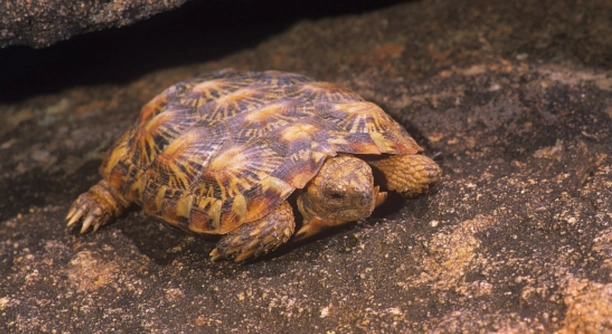
Pancake tortoises are unique pets that require specific care in their enclosures. Knowing what not to include is just as important as providing the right environment for them to thrive. Here are some important things to avoid.
Certain items can be harmful to pancake tortoises and can impact their health. Avoid toxic plants, sharp objects, excessive moisture, small substrate particles, chemicals, poor temperature regulation, and overcrowded enclosures. Ensuring a safe and suitable environment is crucial for their well-being.
By being mindful of these key considerations, you can create a healthier and safer habitat for your pancake tortoise. Understanding the importance of the right setup will help ensure they live a comfortable life.
Toxic Plants
Many plants are toxic to pancake tortoises and can cause serious harm if ingested. Some common houseplants, such as lilies, aloe vera, and poinsettias, are especially dangerous. You should research every plant before adding it to your tortoise’s enclosure. Even small amounts of certain plants can lead to poisoning, digestive issues, and even death.
When selecting plants for your tortoise’s home, always ensure they are safe. Avoid using any unknown plants or those labeled as harmful to reptiles. Opt for plants known to be safe, like dandelions, clover, or hibiscus, and make sure to remove any dead or rotting plants. It’s also best to stick to non-toxic plants that can be easily replaced, ensuring your tortoise has a safe and natural environment. Keeping your tortoise’s enclosure free of dangerous plants is essential for its health and safety.
Sharp Objects
Sharp objects are another danger to keep out of your tortoise’s enclosure. Whether it’s jagged rocks, broken glass, or metal fragments, anything that can cause cuts or injuries should be avoided. Pancake tortoises are naturally curious and may attempt to explore these sharp items, leading to painful wounds.
To prevent injury, be mindful of the materials you place inside. Ensure that decorations, rocks, or wood are smooth and free of any sharp edges. Keep the habitat simple with safe substrates and ensure all the surfaces are rounded. You want to create an environment that encourages natural behavior without putting your pet at risk.
Excessive Moisture
Pancake tortoises thrive in dry, warm environments. Too much moisture can create an unhealthy habitat, leading to fungal growth, respiratory infections, and shell rot. It’s important to monitor the humidity levels in their enclosure. If the humidity is too high, it can harm their skin and shell.
Using a hygrometer to measure the humidity levels is a good idea. Ideally, you want to keep the humidity between 40-60%. If the enclosure becomes too damp, remove excess water immediately, and provide more ventilation. Ensure that the substrate remains dry and that your tortoise has access to dry areas where it can bask.
Proper care also includes spot cleaning regularly. Damp substrate can cause the growth of harmful bacteria, so try to dry any wet areas quickly. If necessary, adjust the setup to reduce humidity by increasing airflow or using a more absorbent substrate. Consistently monitor the environment to ensure it stays within the ideal range.
Small Substrate Particles
Small, loose substrate particles, like sand or fine gravel, can be harmful to your tortoise. If ingested, they may cause digestive issues or impaction. Pancake tortoises often forage on the ground and might accidentally consume small bits of substrate while searching for food.
Instead, choose a larger substrate like coconut fiber or reptile carpet. These options are safer and easier to clean, helping maintain a healthier environment. Larger particles prevent ingestion because they are less likely to stick to food or water, reducing the chance of harm. Make sure the substrate is thick enough to provide a natural hiding spot.
If you’re using sand, ensure it’s coarse and free from dust. Fine sand can be dangerous if swallowed, so be mindful of the materials used. Regularly check your tortoise for signs of impaction or digestive distress.
Chemicals
Chemicals like cleaning products, pesticides, and insecticides can be extremely harmful to pancake tortoises. These substances may linger in their environment and be absorbed through their skin or ingested. Always ensure that no chemicals are present when setting up their habitat.
Use natural cleaners and avoid chemical-heavy products when maintaining the enclosure. If cleaning is necessary, do so with vinegar or non-toxic alternatives. Make sure to thoroughly rinse any surfaces or materials after cleaning to prevent residues. Keeping the enclosure chemical-free is key to your tortoise’s safety.
Poor Temperature Regulation
Pancake tortoises need a consistent temperature to stay healthy. The ideal range is between 80°F and 90°F during the day, with a basking spot up to 95°F. Too hot or cold conditions can cause stress and health problems.
To regulate temperature, use a reliable heat source, such as a ceramic heat emitter or heat lamp. Place a thermometer at different points in the enclosure to ensure the heat is evenly distributed. Make sure your tortoise has access to both warm and cooler areas to regulate its body temperature effectively.
Overcrowding
Overcrowding in an enclosure can lead to stress, fighting, and an overall unhealthy environment. Pancake tortoises need enough space to roam and establish their territories. Too many animals in one area will cause territorial disputes and reduce the quality of life for each tortoise.
Make sure to follow proper guidelines on the number of tortoises per enclosure based on size. If you have more than one, monitor their behavior closely for signs of aggression or stress. Ensure they have plenty of space to avoid overcrowding and keep the environment peaceful.
FAQ
Can pancake tortoises live with other species?
Pancake tortoises can live with other species, but it’s important to be careful. They are peaceful creatures but can be stressed by aggressive or overly active animals. Some species of tortoises or reptiles may coexist well, but others might compete for food or space. Always research the other species before adding them to the enclosure. Even with species that seem compatible, monitor their interactions closely to ensure everyone is getting along.
What size enclosure do pancake tortoises need?
A single pancake tortoise needs at least a 40-gallon enclosure, but larger is always better. The more space your tortoise has, the more active and comfortable it will be. If you plan to keep multiple tortoises, you will need a larger space to accommodate their territorial nature. Providing a spacious environment helps reduce stress and promotes healthier behaviors.
How often should I feed my pancake tortoise?
Pancake tortoises are herbivores and should be fed daily. Their diet consists of leafy greens, flowers, grasses, and some fruits. Offer a variety of fresh foods to ensure they get the nutrients they need. Make sure to remove uneaten food after a few hours to prevent spoilage. Also, provide calcium supplements and ensure their diet is balanced. Don’t overfeed them, as they can become overweight.
What is the best temperature for a pancake tortoise’s habitat?
The ideal temperature range for a pancake tortoise’s habitat is between 80°F and 90°F during the day. A basking area should reach up to 95°F, while cooler areas can be around 70°F. At night, the temperature should not drop below 65°F. Proper temperature regulation is key to keeping your tortoise healthy and active. Using a heat lamp or ceramic heat emitter can help maintain the correct temperature.
How do I keep my pancake tortoise hydrated?
Hydration is important for pancake tortoises. They get most of their water from their food, so it’s crucial to feed them water-rich vegetables like cucumbers and leafy greens. Additionally, you should provide a shallow water dish in their enclosure. Make sure it’s not too deep, as pancake tortoises have a low risk of drowning but may have difficulty getting out of deep water. Clean the water dish daily to ensure it stays fresh.
Can pancake tortoises climb?
Pancake tortoises are excellent climbers. Their unique, flattened shells help them squeeze into narrow spaces and climb over rocks or logs in their natural habitat. It’s important to include some climbing structures, like rocks or branches, in their enclosure to provide enrichment and allow them to display natural behaviors. However, be sure that the climbing areas are safe and not too high to prevent injury.
How do I clean my pancake tortoise’s enclosure?
Regular cleaning of your tortoise’s enclosure is necessary to prevent the buildup of bacteria or mold. Spot clean daily by removing uneaten food and any waste. Every few weeks, replace the substrate and clean the entire enclosure with a mild, non-toxic cleaner. Rinse thoroughly to ensure no chemical residue is left behind. Keep the water dish clean and fresh to prevent bacteria growth.
What is the best type of substrate for a pancake tortoise?
The best substrate for a pancake tortoise is one that allows for easy cleaning and does not retain too much moisture. Coconut fiber, aspen shavings, or a mix of these are great choices. These substrates are safe and natural, offering the right balance of moisture and dryness. Avoid sand or fine gravel, as these can be ingested and cause digestive issues.
Do pancake tortoises need UVB light?
Yes, pancake tortoises need UVB light to help them synthesize vitamin D3, which is essential for calcium absorption and overall health. Provide a UVB bulb in their enclosure, and make sure it covers a good portion of the habitat. Replace the bulb every 6 months, as its effectiveness decreases over time. Ensure that your tortoise has access to both UVB light and a basking spot for proper temperature regulation.
How can I tell if my pancake tortoise is healthy?
A healthy pancake tortoise should have a firm, smooth shell without any soft spots or cracks. The eyes should be bright and clear, and the tortoise should be active and alert. It should have a healthy appetite and pass solid waste. If your tortoise is sluggish, not eating, or showing any signs of illness (like shell deformities or abnormal behavior), consult a vet immediately. Regular checkups are also recommended to maintain your tortoise’s health.
What should I do if my pancake tortoise stops eating?
If your pancake tortoise stops eating, it may be a sign of stress, illness, or an incorrect habitat. Check the temperature, humidity, and overall conditions in the enclosure to ensure they’re ideal. If the environment is fine, consider whether your tortoise is being disturbed or feels unsafe. If the problem persists, consult a reptile vet for advice.
Final Thoughts
Pancake tortoises are unique and fascinating creatures that make wonderful pets, but they do require specific care to thrive. Setting up their enclosure correctly is one of the most important steps in ensuring their health and happiness. You should aim to provide them with a space that mimics their natural environment as closely as possible. This includes maintaining the right temperature, providing the right kind of food, and keeping their enclosure clean and safe from harmful items. A properly set-up habitat will encourage your tortoise to stay active and healthy.
It is also essential to consider their diet, hydration, and the materials you use in their enclosure. A varied diet that includes leafy greens and safe flowers is necessary for their nutritional needs. Keeping the enclosure free from toxic plants, chemicals, and small substrates will help avoid potential health problems. Proper hydration is equally important, as they rely on both their food and a shallow water dish for water. The right care will not only prevent illness but will also improve the tortoise’s quality of life.
While pancake tortoises may require a little extra attention, they are relatively easy to care for if you follow the right steps. The key to a happy and healthy tortoise is understanding its needs and being proactive about its environment. When you provide a safe, clean, and properly maintained enclosure, your pancake tortoise will thrive, offering you years of companionship and enjoyment. Taking the time to meet their specific needs is truly worth the effort.

Hello,
If you enjoy the content that we create, please consider saying a "Thank You!" by leaving a tip.
Every little bit helps us continue crafting quality advice that supports the health, happiness, and well-being of pets around the world, for pets of all shapes, sizes, and species.
We really appreciate the kindness and support that you show us!