
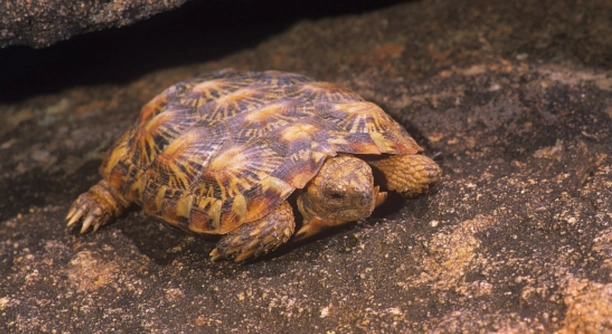
Tortoises are unique and fascinating pets that need proper care and nutrition to thrive. Understanding what to feed them is essential for their health. Some common foods can actually harm your tortoise, so it’s important to be cautious.
Certain foods, though seemingly harmless, can pose serious health risks to tortoises. Some common human foods and plants contain toxins or high levels of harmful substances that can lead to digestive issues, kidney failure, or even death.
Feeding your tortoise the right foods will keep them healthy and strong. Understanding which foods to avoid will help ensure they live a long, happy life. Keep reading to find out what to stay away from.
1. Iceberg Lettuce: A No-Go for Your Tortoise
Iceberg lettuce is often seen as a refreshing snack, but it offers little to no nutritional value for tortoises. While it might seem like a harmless option, this type of lettuce is high in water content and low in essential vitamins and minerals. Feeding your tortoise iceberg lettuce regularly can leave them feeling hungry and malnourished. Tortoises need a balanced diet full of fiber, calcium, and other nutrients that iceberg lettuce just can’t provide. If you’re looking to give them leafy greens, opt for nutrient-rich varieties like kale, collard greens, or dandelion greens instead.
Iceberg lettuce can cause digestive issues because of its high water content, leading to diarrhea and dehydration in tortoises. It can also create an imbalance in their diet, preventing them from absorbing important nutrients they need for growth.
To ensure your tortoise stays healthy, stick to greens that are high in calcium and fiber. This helps support their overall well-being, promotes proper digestion, and keeps their shell strong and resilient. Avoid iceberg lettuce and choose more nutritious greens for a balanced diet.
2. Avocados: Toxic to Tortoises
While you may love avocados, they should never be fed to tortoises. Avocados contain a substance called persin, which is highly toxic to many animals, including tortoises. Even small amounts of avocado can cause harm to your pet, leading to digestive problems and heart issues. The danger of feeding avocados to tortoises cannot be underestimated, so it’s important to keep them far from your tortoise’s reach.
Persin can cause serious harm to tortoises, especially if consumed in large amounts. Symptoms of poisoning from avocados can include lethargy, vomiting, and difficulty breathing. In severe cases, it can even lead to death. Tortoises are particularly sensitive to persin, and they lack the enzymes needed to process it safely.
You can offer your tortoise a variety of safe, healthy fruits like berries, melons, and figs, which are not only tasty but also packed with nutrients. These fruits can be a good source of hydration and vitamins, providing them with the right kind of energy to thrive. Always ensure that any fruit you offer is safe for your tortoise and avoid any that contain toxins, such as avocados.
3. Dairy Products: Avoid at All Costs
Dairy products, such as cheese or milk, should never be fed to your tortoise. Tortoises are lactose intolerant and cannot properly digest dairy. Feeding them these foods can cause serious stomach problems, including bloating, diarrhea, and discomfort. The enzymes required to break down dairy are not present in their digestive system, leading to digestive upset.
Dairy is a poor source of nutrition for tortoises and does not provide the essential nutrients they need for healthy growth. Additionally, dairy can interfere with the absorption of calcium, which is critical for the strength of your tortoise’s bones and shell. It’s always best to avoid dairy entirely.
Instead, focus on foods like leafy greens and vegetables, which provide the necessary nutrients for a healthy tortoise. These foods are high in fiber, vitamins, and minerals that are much more suitable for their digestive system.
4. Rhubarb: A Dangerous Option for Tortoises
Rhubarb, while a common ingredient in many recipes, can be extremely harmful to tortoises. The leaves, in particular, contain high levels of oxalates and anthraquinone glycosides, which are toxic to tortoises. Even small amounts of rhubarb can cause serious health issues, including kidney damage.
Consuming rhubarb can lead to severe poisoning symptoms like vomiting, lethargy, and digestive distress. The high oxalate content in rhubarb also binds with calcium, making it difficult for your tortoise to absorb this vital nutrient. If not addressed, the result can be weakened bones, shell deformities, and long-term health problems.
It’s important to completely avoid rhubarb when feeding your tortoise. There are plenty of safe, nutritious vegetables to choose from that provide the vitamins and minerals your tortoise needs for optimal health. Consider options like squash, bell peppers, and leafy greens to keep your tortoise healthy and strong.
5. Chocolate: A Serious Threat to Tortoises
Chocolate is toxic to many animals, including tortoises. It contains theobromine and caffeine, which can cause severe reactions. Even a small amount of chocolate can lead to poisoning, resulting in vomiting, increased heart rate, and seizures. It’s important to keep all forms of chocolate away from your tortoise.
The theobromine and caffeine in chocolate affect tortoises’ nervous systems and can result in life-threatening issues. Ingesting chocolate can also cause long-term damage to the digestive system. As tortoises are sensitive to these substances, it’s critical to avoid feeding them chocolate altogether.
6. Citrus Fruits: Too Acidic for Tortoises
Citrus fruits like oranges, lemons, and grapefruits are not suitable for tortoises. These fruits are highly acidic, which can cause digestive problems. Feeding citrus to your tortoise can lead to stomach upset, including diarrhea and discomfort. It’s best to avoid giving them citrus fruits altogether.
The acidity in citrus fruits can also disrupt the balance of their digestive system, causing a lack of appetite and dehydration. Additionally, the high sugar content in these fruits can lead to an imbalance in their diet. Stick to milder, less acidic fruits like melons and berries.
FAQ
Can I feed my tortoise strawberries?
Yes, strawberries are safe for tortoises in moderation. They are a good source of vitamins and hydration. However, they should not make up the bulk of your tortoise’s diet. Too much fruit, especially sugary fruits like strawberries, can lead to digestive problems or obesity. Stick to offering small amounts occasionally, and balance them with more nutritious vegetables and leafy greens.
Is it okay to feed my tortoise tomatoes?
Tomatoes are generally safe for tortoises, but only the flesh of the fruit should be given. The green parts, including the stems and leaves, contain solanine, which is toxic to tortoises. Too much tomato can also cause digestive upset. Feed them sparingly and always ensure they are fully ripe.
Can tortoises eat lettuce?
Not all types of lettuce are harmful to tortoises, but iceberg lettuce should be avoided. It has low nutritional value and can cause digestive issues. Instead, opt for darker leafy greens like romaine or leaf lettuce, which are packed with vitamins and minerals that tortoises need. Always check the type of lettuce you are offering and ensure it’s suitable for your tortoise’s diet.
Are dandelions safe for tortoises?
Yes, dandelions are an excellent food for tortoises. The leaves, flowers, and even the roots are safe to feed them. Dandelions are rich in fiber and calcium, which helps with digestion and shell health. Make sure to collect dandelions from areas that haven’t been treated with pesticides or chemicals.
What about feeding my tortoise carrots?
Carrots can be a good treat for tortoises, but they should be offered in moderation. Carrots are high in beta-carotene, which is beneficial in small amounts but can cause issues if overfed. Too many carrots can also be high in sugar, which isn’t ideal for a tortoise’s balanced diet. Offer them as part of a varied diet with plenty of greens and fiber-rich vegetables.
Is spinach safe for tortoises?
Spinach is not toxic to tortoises, but it should be fed in limited quantities. Spinach contains oxalates, which can bind with calcium and prevent its absorption. This can lead to calcium deficiency, affecting your tortoise’s health in the long term. It’s fine to give spinach occasionally, but don’t make it a regular part of their diet.
Can I feed my tortoise mushrooms?
Mushrooms should be avoided as they can be harmful to tortoises. Many species of mushrooms are toxic and can cause serious poisoning. Even non-toxic varieties can upset their digestive system. It’s best to stick to safe, known foods that are specifically beneficial for tortoises, such as leafy greens and safe vegetables.
Can I give my tortoise nuts?
Nuts should not be fed to tortoises. They are high in fats and difficult for tortoises to digest. Excessive fat can lead to obesity and other health problems. Stick to feeding your tortoise high-fiber, low-fat foods like grasses, leaves, and vegetables. Nuts are simply not suited to their digestive system.
Are peas good for tortoises?
Peas are safe for tortoises in moderation, but they should not be a staple in their diet. They are high in protein and can cause digestive issues if fed in excess. It’s better to offer peas occasionally as a treat rather than a regular part of their meals. A balance of vegetables, grasses, and leafy greens should make up the majority of their diet.
Is it okay to feed my tortoise bread?
No, bread should not be fed to tortoises. It provides no nutritional value and can cause digestive issues due to its high carbohydrate and low fiber content. Bread can also expand in their stomach, leading to discomfort. It’s best to stick to natural, whole foods like vegetables and grasses for a healthy tortoise diet.
Can tortoises eat eggplant?
Eggplant is generally safe for tortoises, but it should be offered in moderation. It is low in nutrients and contains solanine, a compound that can be toxic in large amounts. Only feed eggplant occasionally and in small quantities. Always remove any seeds or green parts, as they may contain harmful substances.
Can tortoises eat bananas?
Bananas are safe for tortoises but should only be fed sparingly. They are high in sugar and can lead to obesity and other health issues if overfed. Offer banana as an occasional treat, balancing it with a more nutrient-dense diet of greens and vegetables.
Can my tortoise eat sweet potatoes?
Sweet potatoes are a great source of vitamins for tortoises. They are safe to feed, but should be offered in moderation due to their higher sugar content. Sweet potatoes should be cooked before being given to your tortoise, as raw sweet potatoes can be hard for them to digest. A small portion is sufficient for a nutritious snack.
What about feeding my tortoise grapes?
Grapes can be fed to tortoises but only in very small amounts. They are high in sugar and water content, which can upset your tortoise’s digestive system. Too many grapes can also cause diarrhea or dehydration. Always cut them in half to avoid choking hazards, and feed sparingly.
Can tortoises eat celery?
Celery is safe for tortoises in small amounts. It contains a lot of water, which can lead to diarrhea if fed too frequently. It does not provide much nutritional value compared to other vegetables, so it should only be offered occasionally. Keep celery as a supplementary treat rather than a main food source.
Final Thoughts
Caring for a tortoise involves more than just providing shelter and water. A balanced diet is essential to their health, and knowing what foods to avoid can prevent serious health issues. Tortoises have specific dietary needs, and feeding them the wrong foods can lead to digestive problems, kidney failure, or other complications. It’s important to educate yourself about which foods are harmful and which ones are safe for your tortoise.
Many foods that are safe for humans can be dangerous to tortoises. For example, fruits like avocado, citrus, or chocolate, which may seem harmless, can cause poisoning or digestive distress. Likewise, common vegetables such as iceberg lettuce or mushrooms should be avoided due to their lack of nutrients or potential toxicity. While it may seem easy to offer your tortoise a variety of human foods, it’s better to stick to a diet that closely mimics what they would eat in the wild. Leafy greens, safe fruits, and certain vegetables are the best options for your tortoise’s diet.
By providing a proper diet, you help ensure that your tortoise lives a long, healthy life. While it can be tempting to offer them treats or share your food, always remember that not all human food is safe. Stick to feeding them foods that are high in fiber, low in fat, and rich in the vitamins and minerals they need. If you’re unsure about a particular food, it’s always safer to consult a veterinarian or trusted resource before feeding it to your tortoise.

Hello,
If you enjoy the content that we create, please consider saying a "Thank You!" by leaving a tip.
Every little bit helps us continue crafting quality advice that supports the health, happiness, and well-being of pets around the world, for pets of all shapes, sizes, and species.
We really appreciate the kindness and support that you show us!