
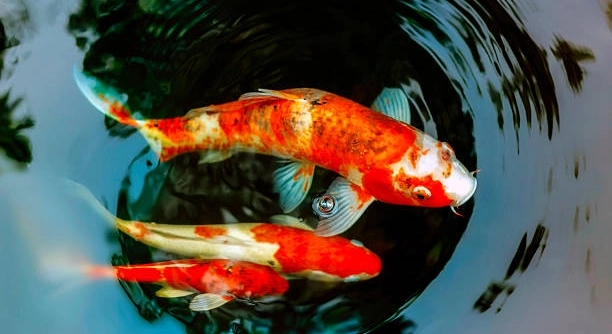
Koi fish require specific care to thrive, especially when it comes to their diet. Feeding them the wrong foods can harm their health and disrupt their growth. Understanding what not to feed koi is essential for any pond owner.
Feeding koi inappropriate foods such as bread, processed snacks, or certain vegetables can lead to digestive problems, poor water quality, and nutritional imbalances. Avoiding these items ensures koi maintain optimal health and vibrant coloration.
Knowing which foods to avoid helps protect your koi and keeps your pond environment clean and healthy for years to come.
Bread and Processed Snacks
Bread and processed snacks are common foods people sometimes offer to koi without realizing the harm they cause. These foods contain high amounts of carbohydrates, preservatives, and salt, which koi cannot properly digest. Feeding bread can lead to bloating, swim bladder issues, and poor water quality as uneaten bread decomposes. Additionally, processed snacks often contain artificial flavors and chemicals harmful to fish health. Koi require a diet rich in natural nutrients such as proteins, vitamins, and minerals. Providing bread or snacks disrupts this balance and may weaken their immune system. It is better to offer koi specially formulated pellets or fresh vegetables suited for their digestive system. This ensures they get proper nutrition without negative side effects. Maintaining water cleanliness is also easier when avoiding foods that create excess waste or mold.
Uneaten bread breaks down quickly and pollutes the pond, creating a harmful environment for koi and other aquatic life.
Feeding koi appropriate foods improves their health and water conditions, preventing costly health problems and preserving the beauty of your pond.
Certain Vegetables and Fruits
Some vegetables and fruits are unsuitable for koi due to their tough fibers, high acidity, or toxicity. Items like onions, garlic, citrus fruits, and raw potatoes should never be fed to koi. These foods can irritate the koi’s digestive system or introduce harmful compounds. Even healthy vegetables need to be prepared properly; for example, leafy greens like spinach or lettuce should be chopped finely and fed in moderation. Overfeeding vegetables can also lead to water contamination as uneaten pieces rot. Citrus fruits contain acids that can damage koi skin and gills. Raw potatoes contain solanine, which is toxic to fish. It is important to research each food item before offering it to koi to avoid adverse effects.
Avoiding toxic or hard-to-digest vegetables prevents health complications and keeps koi active and vibrant.
Feeding koi inappropriate vegetables or fruits may cause digestive upset, slow growth, or illness. Healthy alternatives include peas, zucchini, and watermelon, all in moderation. Proper feeding supports koi well-being and a balanced pond environment.
Dairy Products
Dairy products like milk, cheese, and yogurt are not suitable for koi. Fish lack the enzymes needed to digest lactose, leading to digestive distress and poor health.
Feeding koi dairy products can cause bloating and diarrhea due to lactose intolerance. These symptoms weaken koi and make them vulnerable to infections. Dairy also disrupts water quality, increasing the risk of harmful bacteria growth. Avoid offering any milk-based or cheese foods. Instead, stick to koi-specific diets designed for their digestive systems. These diets provide the right balance of nutrients without the risks associated with dairy. Maintaining proper nutrition is essential for koi longevity and vibrant coloration.
Dairy waste decomposes quickly in ponds, contributing to ammonia spikes that harm koi and aquatic plants. Keeping dairy products away supports a healthy pond ecosystem.
Koi thrive on a balanced diet rich in proteins, vitamins, and minerals. Avoiding dairy products is a key step in protecting their digestive health and overall wellbeing.
Raw Meat and Fish
Raw meat and fish can introduce dangerous bacteria and parasites to koi, risking severe illness or death. These foods are not natural to koi diets and should be avoided completely. Feeding raw animal protein also leads to water pollution, as leftovers decompose rapidly. Contaminated water stresses koi and encourages disease outbreaks. Cooked or specially prepared feeds are safer alternatives that meet nutritional needs without health risks. Use high-quality commercial pellets or frozen treats formulated for koi to ensure balanced nutrition. Avoid feeding any scraps from raw meat or fish to maintain a clean, healthy pond environment. Consistently monitoring food types helps prevent disease and supports koi growth.
Raw animal products are unsafe and can carry pathogens harmful to fish. Keeping these foods out of the pond preserves water quality and koi health.
Providing koi with suitable nutrition prevents illness and enhances their natural colors, improving the pond’s overall appearance and vitality.
Citrus Fruits
Citrus fruits such as oranges, lemons, and limes contain acids that irritate koi’s sensitive skin and gills. Feeding these fruits can cause stress and potential health issues.
The acidity can damage protective mucus layers, making koi more prone to infections. It is best to avoid any citrus in their diet.
Iceberg Lettuce
Iceberg lettuce offers little nutritional value and can cause digestive problems in koi. Its high water content may lead to diarrhea if fed regularly.
Koi benefit more from nutrient-rich greens like spinach or kale, which provide vitamins and minerals essential for growth and health.
Sugary Foods
Sugary foods disrupt koi metabolism and promote harmful bacteria growth in the pond. These foods lack essential nutrients and increase waste buildup.
Avoid feeding koi sugary snacks, candies, or fruit juices to maintain their health and a clean aquatic environment.
FAQ
What happens if koi eat bread or processed snacks?
Feeding bread or processed snacks to koi can cause digestive problems such as bloating and constipation. These foods are high in carbohydrates and preservatives that koi cannot properly digest. Uneaten bread also decomposes quickly in the pond, polluting the water and lowering its quality. Poor water quality stresses koi, making them more vulnerable to disease. Over time, this can lead to weakened immune systems and slower growth. It is best to avoid these foods entirely and stick to specially formulated koi pellets or safe vegetables.
Can koi eat fruits like watermelon or peas?
Yes, koi can eat some fruits and vegetables like watermelon, peas, and zucchini, but only in moderation. These foods should be cut into small, manageable pieces to prevent choking or digestive upset. Peas are especially good for koi with digestive issues because they help clear the gut. Avoid feeding too much fruit, as high sugar content can affect water quality and koi metabolism. Always rinse fresh produce to remove pesticides or chemicals before feeding.
Why are dairy products bad for koi?
Koi lack the enzyme needed to digest lactose found in dairy products such as milk and cheese. Feeding dairy to koi often causes bloating, diarrhea, and discomfort. It can also introduce excess nutrients into the pond, encouraging harmful bacteria growth. This negatively impacts water quality and fish health. Feeding koi a balanced diet designed for their needs is safer and promotes better digestion and vitality.
Is it okay to feed raw meat or fish to koi?
Raw meat or fish is not recommended for koi. These foods can carry bacteria and parasites harmful to fish health. They also break down quickly, polluting the pond and increasing the risk of waterborne diseases. Instead, use high-quality commercial pellets or frozen koi treats made for fish nutrition. These provide essential proteins and nutrients without the risks associated with raw animal products.
Can koi eat iceberg lettuce?
Iceberg lettuce is not a good choice for koi. It contains little nutritional value and high water content, which can lead to digestive upset like diarrhea. Koi benefit more from nutrient-rich leafy greens like spinach or kale, which support growth and health. Always feed greens in moderation and prepare them properly by chopping into small pieces.
What are the risks of feeding citrus fruits to koi?
Citrus fruits contain acids that can irritate koi skin and gills, causing stress and damage to their protective mucus layer. This makes them more susceptible to infections and illness. Avoid feeding any citrus to koi. Instead, offer safe fruits and vegetables that do not compromise their delicate skin and gill health.
How often should koi be fed?
Feed koi once or twice daily, offering only what they can consume in a few minutes. Overfeeding leads to leftover food decomposing and polluting the pond. During colder months, koi metabolism slows, so reduce feeding frequency and amount. Proper feeding schedules help maintain water quality and fish health.
What foods are best for koi nutrition?
High-quality commercial koi pellets are ideal, as they provide balanced proteins, fats, vitamins, and minerals. Supplement with fresh vegetables like peas, zucchini, and spinach occasionally. Avoid foods that are high in carbohydrates, sugar, or artificial additives. A varied, balanced diet supports koi growth, coloration, and immune function.
Can koi eat cooked vegetables?
Cooked vegetables can be fed to koi if prepared without seasoning or oils. Steaming or boiling makes vegetables easier to digest. Chop into small pieces before feeding. Avoid overfeeding cooked vegetables to prevent water contamination from uneaten food.
What signs indicate koi are fed inappropriate foods?
Signs include bloating, lethargy, abnormal swimming, loss of appetite, or visible skin irritation. Poor water quality from uneaten food can cause cloudy water or algae blooms. If these signs appear, review and adjust the koi diet promptly to prevent health decline.
Feeding koi requires careful attention to their dietary needs and the environment they live in. Certain foods can harm their digestion, weaken their immune systems, and disrupt the balance of the pond. Avoiding harmful items such as dairy products, raw meat, citrus fruits, and processed snacks helps maintain koi health and water quality. Providing the right nutrition supports their growth, coloration, and overall wellbeing. Consistency in feeding and choosing appropriate foods are key to preventing common problems caused by improper diets.
Koi depend on a diet rich in proteins, vitamins, and minerals, which commercial koi pellets are designed to provide. Supplementing with fresh vegetables like peas and leafy greens can enhance their diet without risking digestive issues or pond pollution. Foods high in sugar, starch, or acidity should be excluded to prevent stress and illness. Equally important is the feeding routine; overfeeding or feeding inappropriate items can lead to excess waste, which quickly degrades water conditions. Good water quality is essential for koi to thrive and avoid disease.
Understanding what not to feed koi is as important as knowing what to include in their diet. Protecting koi from harmful foods requires awareness and discipline, but it pays off with healthier fish and a more stable pond environment. Feeding koi properly contributes to their longevity and vivid appearance, making the pond a source of enjoyment and beauty. Taking the time to learn and apply these feeding principles creates a balanced ecosystem that benefits koi and their caretakers alike.

Hello,
If you enjoy the content that we create, please consider saying a "Thank You!" by leaving a tip.
Every little bit helps us continue crafting quality advice that supports the health, happiness, and well-being of pets around the world, for pets of all shapes, sizes, and species.
We really appreciate the kindness and support that you show us!