
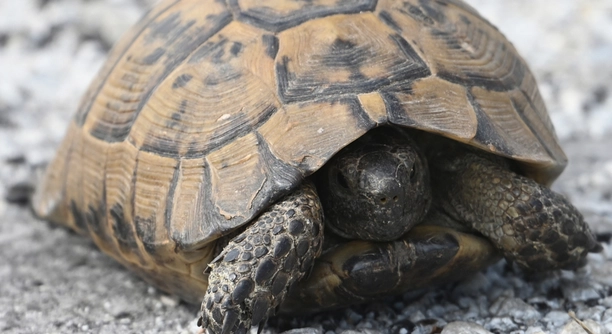
Russian tortoises are gentle and curious creatures, making them popular pets for reptile enthusiasts. As a responsible pet owner, it’s essential to provide the right foods to ensure their health and well-being.
Certain foods can be harmful to Russian tortoises, leading to digestive issues, nutritional imbalances, or even poisoning. It’s important to avoid feeding them items that are toxic or unsuitable for their diet.
By understanding the foods that should be avoided, you can keep your tortoise healthy. It’s crucial to learn more about what they can and can’t eat.
Lettuce and Other High-Water Vegetables
Lettuce, especially iceberg, might seem like a healthy snack for your Russian tortoise, but it’s not the best option. While it’s not toxic, it’s mostly water and offers very little nutrition. Too much lettuce can also cause loose stools, making it harder for your tortoise to maintain proper digestion.
It’s important to keep in mind that tortoises need a diet rich in fiber and nutrients. Lettuce simply does not provide these essentials.
Instead of lettuce, offer leafy greens like collard greens, dandelion leaves, or mustard greens. These provide much-needed nutrients and support their digestive system better. It’s crucial to offer variety in their diet to make sure they stay healthy, with a balance of fiber, vitamins, and minerals. Always stick to vegetables that will nourish their body and not just fill them up with water.
Fruit Sugars
Fruit can be a tempting treat, but too much of it isn’t suitable for Russian tortoises. Many fruits, especially those high in sugar, can cause digestive issues and lead to obesity.
If you do decide to offer fruit, it should be limited. Stick to small amounts of low-sugar fruits like strawberries or blueberries, and avoid sugary options like bananas or grapes. These can disrupt their natural diet, leading to long-term health problems.
Russian tortoises have slower metabolisms and need a diet that mimics what they would find in the wild. Offering sugary foods disrupts this natural balance, increasing the risk of weight gain and other health problems. Always prioritize foods that are high in fiber and low in sugar to keep them healthy. Proper nutrition is key to a long and happy life for your tortoise.
Avocados
Avocados contain a substance called persin, which is toxic to many animals, including tortoises. Even though it’s a popular fruit for humans, it should never be fed to your Russian tortoise.
Persin can lead to serious health problems, such as heart damage or respiratory issues. While humans can safely consume avocados, tortoises are not able to process this compound. Feeding them avocados could result in immediate discomfort and long-term damage to their organs. For a safe, healthy tortoise, it’s best to avoid this fruit altogether.
It’s important to stay away from feeding your tortoise anything with persin in it. Some common household plants like lilies or bay leaves also contain persin, so always check before offering any new food. Stick to safer vegetables and leafy greens for a more balanced diet. Keeping avocados off the menu will help ensure your tortoise stays happy and healthy.
Dairy Products
Dairy products, such as cheese or milk, are not suitable for Russian tortoises. Their digestive systems are not equipped to handle lactose, leading to possible stomach upset and diarrhea.
Many pet owners may be surprised by this, as dairy is often considered healthy for humans. However, tortoises, being reptiles, don’t have the necessary enzymes to break down lactose. Consuming dairy can cause severe digestive problems and disrupt their normal feeding routine. Offering dairy products can do more harm than good.
It’s essential to stick to foods that are suitable for reptiles, focusing on plant-based options that align with their natural diet. There’s a wide variety of vegetables, greens, and edible flowers that can keep your tortoise well-fed and healthy. Avoid dairy, and opt for foods that support their digestive health and provide the necessary nutrients for long-term well-being.
Onions and Garlic
Onions and garlic, whether raw or cooked, can be harmful to Russian tortoises. These foods contain compounds that can cause blood cell damage and lead to anemia.
Consuming even small amounts of onions or garlic can have toxic effects. It’s best to avoid them altogether to protect your tortoise from potential health issues. Stick to safe, natural foods for your tortoise’s diet.
Processed Foods
Processed foods are not appropriate for Russian tortoises. They often contain preservatives, artificial colors, and unhealthy fats that can cause digestive distress and long-term health problems.
Feeding processed foods like chips, cookies, or fast food can lead to serious issues for your tortoise. Their systems are not built to handle these types of food, which offer no nutritional value. Instead, focus on fresh, plant-based food options to ensure your tortoise’s health. Offering these will help keep your tortoise’s digestive system in balance and prevent obesity.
Iceberg Lettuce
Iceberg lettuce provides little nutritional value to Russian tortoises. It’s mostly water and can cause digestive issues if fed too often.
A diet focused on variety and nutrition is essential. Instead of iceberg lettuce, opt for more nutritious greens like collard or dandelion leaves. These will help keep your tortoise healthy and strong.
FAQ
Can Russian tortoises eat tomatoes?
Tomatoes are generally safe for Russian tortoises in small amounts, but they should be offered sparingly. The acidity in tomatoes can upset your tortoise’s digestive system if consumed in large quantities. It’s better to treat them as an occasional snack rather than a regular part of their diet. Stick to low-acid vegetables like leafy greens for a more consistent, balanced diet.
Are there any fruits I can feed my Russian tortoise?
Some fruits, like strawberries, blueberries, and raspberries, are safe for Russian tortoises in small quantities. However, fruits should only be an occasional treat due to their high sugar content. Overfeeding sugary fruits can lead to digestive issues and obesity. Always make sure the fruits are cut into manageable pieces and fed in moderation to avoid disrupting their natural diet.
Is spinach safe for my Russian tortoise?
Spinach contains oxalates, which can bind to calcium and prevent your tortoise from properly absorbing it. While occasional small servings of spinach might not cause harm, it should not be fed regularly. For better nutritional balance, provide calcium-rich leafy greens such as collard greens or mustard greens instead.
Can my tortoise eat carrots?
Carrots can be fed to your Russian tortoise in small amounts. They are high in vitamin A, which is beneficial, but they should not be the main part of the diet due to their high sugar content. Offer carrots occasionally alongside other fiber-rich vegetables like kale or dandelion greens to ensure your tortoise gets a balanced diet.
Is it safe to feed my Russian tortoise lettuce?
Lettuce, particularly iceberg lettuce, is not ideal for Russian tortoises due to its low nutritional content. It mainly consists of water and offers little in terms of vitamins and fiber. While Romaine lettuce is a better option compared to iceberg, it’s still best to focus on darker, more nutrient-rich leafy greens.
Can I feed my tortoise mushrooms?
Mushrooms should be avoided in your Russian tortoise’s diet. They can be toxic to many reptiles, including tortoises. Even though some mushrooms are edible to humans, they may contain toxins that could harm your pet. Stick to safe, leafy vegetables and grasses to ensure your tortoise stays healthy.
What is the best diet for a Russian tortoise?
The best diet for a Russian tortoise consists mainly of high-fiber plants, such as grasses, leaves, and flowers. Leafy greens like collard greens, dandelion leaves, and clover are excellent choices. Avoid high-calcium or sugary foods and stick to low-fat, high-fiber options that closely mimic what they would eat in the wild.
Can I feed my tortoise eggs or meat?
Russian tortoises are primarily herbivores and do not require animal-based proteins like eggs or meat. Feeding them such foods can disrupt their digestive system and lead to health problems. It’s best to keep their diet plant-based with a focus on leafy greens, flowers, and grasses.
What should I do if my tortoise isn’t eating?
If your tortoise isn’t eating, check if there have been any changes in its environment, such as temperature or humidity. Stress, improper habitat conditions, or illness can cause a tortoise to refuse food. Try offering a variety of greens and vegetables, and if the lack of appetite continues, consult a veterinarian.
How often should I feed my Russian tortoise?
Adult Russian tortoises should be fed every other day, as they are slow-metabolism animals. Younger tortoises may require daily feedings. Make sure to offer fresh, varied food every time and remove any uneaten food after a few hours to prevent spoilage.
Can I feed my tortoise flowers?
Yes, you can feed your Russian tortoise edible flowers such as hibiscus, dandelion, and clover. These flowers offer good nutritional value and are safe for tortoises. However, avoid flowers that have been treated with pesticides or chemicals, as these can harm your pet. Always ensure the flowers are organic and free from harmful substances.
Are there any foods that are toxic to my Russian tortoise?
Yes, several foods are toxic to Russian tortoises, including avocado, onion, garlic, rhubarb, and certain types of mushrooms. These can cause serious health issues, including digestive problems, poisoning, and organ damage. Always research any food before offering it to your tortoise and stick to safe, natural plant-based foods.
How can I make my tortoise’s diet more interesting?
To make your tortoise’s diet more exciting, try offering a variety of edible plants, flowers, and herbs. Mixing things up with dandelion greens, clover, hibiscus flowers, and different types of lettuces can make feeding time more enjoyable. Just ensure the foods are safe and appropriate for their needs.
Can Russian tortoises eat grass?
Yes, Russian tortoises can eat grass, and it’s actually a great part of their diet. Grasses are high in fiber and low in fat, which is ideal for their digestion and overall health. Fresh, pesticide-free grass from a safe, clean area is a perfect option. Avoid lawn grass that may have been treated with chemicals.
Final Thoughts
Caring for a Russian tortoise involves providing them with the right food to maintain their health. It’s essential to focus on a diet that mimics what they would naturally eat in the wild, which includes high-fiber plants, leaves, and grasses. Foods like dandelion greens, clover, and collard greens should be staples in their diet. These provide the necessary nutrients for proper growth and health. Avoiding foods that are too sugary or high in water content, such as certain fruits and lettuce, is crucial to preventing digestive issues and obesity.
It’s important to remember that not all plants are safe for Russian tortoises. Some common household items like onions, garlic, and avocado can be toxic. Overfeeding fruits or vegetables high in sugar can also cause problems. While it’s tempting to offer your tortoise treats, moderation is key. A variety of healthy, low-fat vegetables and flowers should be the primary source of their nutrition. Keeping their diet diverse and well-balanced will help them thrive for years.
Proper diet is just one part of being a responsible tortoise owner. Along with feeding them the right foods, providing an appropriate habitat with proper temperature and humidity is just as important. Your tortoise’s well-being depends on a combination of factors, and being mindful of their diet is one of the most critical elements. By avoiding harmful foods and offering a variety of safe, nutritious options, you can ensure that your Russian tortoise remains happy and healthy for a long time.

Hello,
If you enjoy the content that we create, please consider saying a "Thank You!" by leaving a tip.
Every little bit helps us continue crafting quality advice that supports the health, happiness, and well-being of pets around the world, for pets of all shapes, sizes, and species.
We really appreciate the kindness and support that you show us!