
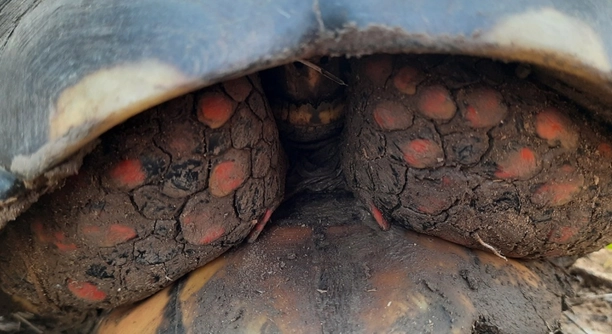
Red-footed tortoises are fascinating creatures that require careful attention to their care. However, there are a few things you should avoid doing when handling or keeping them to ensure their well-being.
To ensure the health and safety of a red-footed tortoise, avoid actions such as improper handling, overfeeding, exposing them to extreme temperatures, or allowing them to roam in unsafe environments. These practices can harm their physical and mental well-being.
Taking the time to understand these basic guidelines will help you provide the best care for your red-footed tortoise.
Overfeeding Can Lead to Serious Health Issues
Overfeeding a red-footed tortoise may seem harmless, but it can lead to obesity and various other health problems. These tortoises are naturally slow eaters, and their diet should consist of vegetables, fruits, and some protein, but in moderation. If they are overfed, they may struggle with weight management, which can place stress on their joints and internal organs. Additionally, an improper diet could lead to shell deformities and issues with their digestive system. To prevent this, measure their food portions and stick to a regular feeding schedule that mimics their natural eating habits in the wild.
Feeding a tortoise too much can lead to long-term health complications. Monitor their diet and ensure it is well-balanced to avoid such risks.
Tortoises are herbivores, so their meals should be rich in fiber. Overfeeding sugary fruits can be especially detrimental, leading to digestive problems or even diabetes. A good mix of leafy greens, grasses, and occasional fruits will keep them healthy. Furthermore, avoid processed foods and any additives, as these can upset their system. Always clean their food thoroughly before serving to remove any pesticides or chemicals. A controlled and balanced diet will help your red-footed tortoise thrive and prevent unnecessary health issues.
Exposure to Unsafe Environments
Red-footed tortoises should be placed in safe, controlled environments. Exposing them to areas that are too cold, too hot, or otherwise unsafe can lead to stress, illness, or death.
Tortoises can suffer from heat stroke if exposed to excessive heat, or they might struggle to regulate their body temperature in very cold environments. These conditions affect their immune systems and can even shorten their lifespan. Always keep their habitat within an appropriate temperature range for their species. Make sure they have access to shade and fresh water.
Improper Handling of Red-Footed Tortoises
Improper handling can cause stress or injury to a red-footed tortoise. It is essential to handle them gently and with care, as they are delicate creatures.
When picking up a red-footed tortoise, support their body properly. Never lift them by their limbs or tail, as this can cause serious harm. Always use both hands to lift them, ensuring that their body is fully supported. It’s best to hold them close to the ground to avoid any accidental falls. Avoid sudden movements, as this can startle them, leading to stress.
Additionally, extended periods of handling can make tortoises anxious. They are not animals that enjoy being held for long periods. Limiting interaction to a few short moments each day is a better approach to ensure their comfort. Providing a calm environment with minimal disturbances will allow them to feel secure in their habitat.
Overexposure to Sunlight
While red-footed tortoises need sunlight for essential vitamin D synthesis, overexposure can harm them. It is important to balance their exposure.
A red-footed tortoise’s shell can become sunburned if exposed to direct sunlight for too long. Unlike some other reptiles, they are not built for long hours under the sun. Sunburns can cause serious damage to their skin and shell, potentially leading to infections. To prevent this, provide areas of both sunlight and shade in their habitat, so they can choose where to spend their time.
Make sure the habitat includes a shaded area where your tortoise can retreat if they feel too hot. This helps regulate their body temperature naturally and reduces the risk of overheating. By creating a well-balanced environment with options for shelter, you can protect your tortoise from the dangers of overexposure while still ensuring they receive the necessary sunlight.
Lack of Proper Hydration
Red-footed tortoises need a consistent water supply. Without it, they can easily become dehydrated, which can lead to health problems.
Dehydration can cause your tortoise to become lethargic, lose appetite, and even suffer from digestive issues. Always ensure your tortoise has access to clean water. Consider providing a shallow water dish that’s easy for them to reach.
The water should be changed regularly to avoid contamination. In addition to drinking, tortoises may use the water to soak, which helps with digestion. Soaking also helps them maintain healthy skin and prevents issues with their shell.
Inadequate Space for Movement
Providing a suitable amount of space for your red-footed tortoise is critical. They need room to roam and explore, which helps keep them active.
Without enough space, your tortoise may become stressed or inactive. It can affect their physical and mental health, leading to problems such as weight gain and poor digestion. To keep them healthy, make sure their enclosure is spacious enough to encourage movement.
A larger space allows them to establish their own territory and avoid unnecessary stress. A well-sized environment also helps replicate their natural habitat, which contributes to a happier and healthier tortoise.
Ignoring Their Natural Habitat Needs
Red-footed tortoises thrive in environments that mimic their natural habitat. It’s crucial to provide them with the right conditions for optimal well-being.
Your tortoise’s habitat should include hiding places, such as rocks or plants, to give them a sense of security. This is important because tortoises feel safer when they have an option to retreat from potential threats. Also, make sure the substrate, such as soil or sand, is appropriate for digging.
FAQ
What should I feed my red-footed tortoise?
Red-footed tortoises are herbivores and primarily eat a diet rich in vegetables, fruits, and some flowers. Leafy greens like kale, collard greens, and dandelion leaves should make up the majority of their diet. You can also feed them fruits such as papaya, mango, and berries in moderation. Avoid feeding them too many sugary fruits, as this can lead to digestive issues. They also benefit from the occasional protein source, like earthworms or insects, but this should be offered in small amounts. It’s important to offer a variety of foods to ensure they get all the necessary nutrients.
How often should I feed my red-footed tortoise?
You should feed your red-footed tortoise three to four times a week. Their diet should consist of different vegetables and fruits each time to provide variety. If your tortoise is young, they may need food every day, but as they grow, a few meals per week are sufficient. Be mindful of overfeeding, as it can lead to obesity and other health problems. Fresh water should always be available to ensure proper hydration.
How do I provide the right temperature for my red-footed tortoise?
Red-footed tortoises require a temperature gradient in their habitat, with a basking area that reaches around 85-95°F (29-35°C) and a cooler area around 75-80°F (24-27°C). The basking spot helps them regulate their body temperature and digest food properly. Use a heat lamp or ceramic heater to maintain the warm side of the enclosure, and a UVB light to support their calcium absorption and overall health. Ensure there is enough space for your tortoise to move between these temperature zones as needed.
How much space does my red-footed tortoise need?
Red-footed tortoises require plenty of space to roam. For an adult, an enclosure should be at least 4 feet by 6 feet, but larger is better. If you have more than one tortoise, increase the size of the enclosure to prevent territorial disputes. The more space they have, the healthier and less stressed they will be. If kept outdoors, make sure the area is secure and free of potential hazards like predators or toxic plants.
Can red-footed tortoises be kept indoors?
Yes, red-footed tortoises can be kept indoors, but their enclosure needs to mimic the natural environment as much as possible. Use a large, well-ventilated tank or enclosure and provide proper lighting, heating, and humidity control. You’ll need to replicate their natural conditions with UVB lights for proper calcium absorption and a basking spot that maintains the right temperature. Additionally, provide a substrate like coconut husk or soil to allow them to burrow.
How often should I clean my red-footed tortoise’s habitat?
The habitat should be cleaned at least once a week. Spot clean daily by removing any uneaten food and waste. A thorough cleaning involves removing everything from the enclosure, washing all surfaces, and replacing the substrate. This ensures that harmful bacteria or mold do not develop and keeps the environment healthy. Be sure to disinfect any accessories like water dishes and hides to avoid contamination.
Do red-footed tortoises need a specific humidity level?
Yes, red-footed tortoises require a humidity level of 60-80%. Maintaining proper humidity helps them stay hydrated and supports their skin and respiratory health. If the air is too dry, they may suffer from dehydration or skin issues. You can increase humidity by misting the enclosure or using a humidifier. A water dish for soaking also helps maintain proper hydration.
Can red-footed tortoises be housed with other animals?
It’s generally not recommended to house red-footed tortoises with other animals, especially smaller pets like hamsters, guinea pigs, or birds. These animals could stress your tortoise or potentially harm it. Tortoises can also be territorial, and introducing another tortoise can lead to fighting. If you do keep more than one tortoise, make sure they are the same species and of similar size to reduce the risk of aggression.
What signs indicate that my red-footed tortoise is stressed?
Signs of stress in red-footed tortoises include refusing to eat, excessive hiding, and aggression toward other animals. A stressed tortoise may also pace around its enclosure or try to escape. It’s important to ensure that their environment is properly set up with enough space, proper temperature, humidity, and food. If the tortoise continues to show signs of stress, consult a veterinarian to rule out any medical issues.
How do I know if my red-footed tortoise is sick?
If your red-footed tortoise is showing signs of lethargy, loss of appetite, or unusual behavior, it may be sick. Other signs include a cloudy or swollen eye, nasal discharge, or difficulty moving. Check their shell for any cracks or abnormal growth. If you notice any of these symptoms, contact a reptile vet as soon as possible to address the issue before it becomes more serious.
Can red-footed tortoises hibernate?
Red-footed tortoises do not undergo true hibernation like some other species. However, they do enter a period of reduced activity during colder months, particularly if they are kept outdoors. If you live in a colder climate, it’s important to bring your tortoise indoors before the temperatures drop too low. Make sure to adjust their environment accordingly to keep them comfortable and healthy.
Final Thoughts
Taking care of a red-footed tortoise involves attention to detail and commitment. These tortoises thrive in environments that mimic their natural habitat, with the right amount of space, humidity, and proper diet. It is essential to provide them with access to clean water, fresh food, and a proper temperature gradient. Ensuring that their living area is large enough for them to roam freely and have a safe place to hide is key to their well-being.
Additionally, regular monitoring of their health and environment is necessary to spot any early signs of stress or illness. Offering them a variety of foods and avoiding overfeeding is important for maintaining a healthy weight. A proper balance of vegetables, fruits, and occasional protein sources can help ensure that they receive all the nutrients they need. Ensuring their habitat is kept clean and providing the right light, temperature, and humidity will help prevent health problems and keep your tortoise active.
Overall, owning a red-footed tortoise can be a rewarding experience if you are prepared to meet their needs. With the right care, they can live a long and healthy life. It is important to stay informed and adjust their care routine as they grow and their needs change. Red-footed tortoises are fascinating creatures, and understanding how to provide them with a comfortable and healthy environment will ensure they thrive under your care.

Hello,
If you enjoy the content that we create, please consider saying a "Thank You!" by leaving a tip.
Every little bit helps us continue crafting quality advice that supports the health, happiness, and well-being of pets around the world, for pets of all shapes, sizes, and species.
We really appreciate the kindness and support that you show us!