
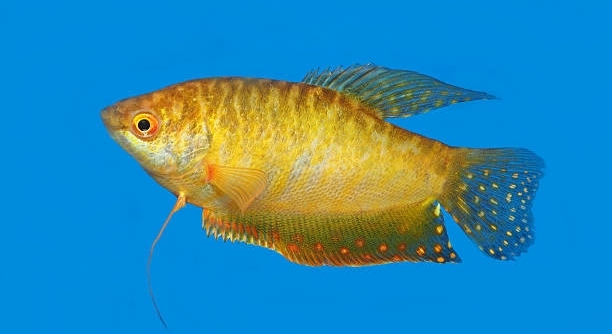
Gouramis are peaceful freshwater fish that bring calm and beauty to home aquariums. They react strongly to sudden changes or disturbances, making it important for owners to understand their behavior and daily needs. Observing them carefully can improve care.
There are several actions that should be avoided in front of a gourami, including sudden movements, tapping the glass, overfeeding, introducing aggressive tank mates, altering water conditions abruptly, using bright lights directly, and handling them unnecessarily. These behaviors cause stress and disrupt their natural habits.
Learning how to interact with your gourami safely ensures a healthier, calmer environment. Simple changes in routine and observation can greatly improve their well-being and comfort in the tank.
Avoid Sudden Movements
Gouramis are very sensitive to motion around their tank. Quick gestures or reaching suddenly toward the aquarium can startle them, causing stress and hiding behavior. Even movements outside the tank, like waving your hand or walking briskly nearby, may make them anxious. Regular, calm actions help them feel secure, allowing them to swim naturally and interact with their environment without fear. Over time, sudden movements can affect their health by raising stress hormone levels, which may reduce immunity and appetite. It’s better to approach the tank slowly, letting the fish notice your presence without feeling threatened. Feeding and cleaning routines performed gently help maintain their comfort. Avoid tapping or jarring the tank as well, since vibrations mimic predator presence and can provoke defensive behavior. Consistent, peaceful handling builds trust in your fish and reduces incidents of erratic swimming or hiding for long periods. Calm interactions also make observing their behavior more rewarding and stress-free.
Slow, deliberate actions around the tank prevent unnecessary stress for gouramis and promote a safer, more natural environment for them to thrive.
Keeping movements gentle is just the start. Pair calm actions with regular feeding times, stable water conditions, and minimal sudden changes in lighting. Observing their responses allows you to learn their comfort zones. Over time, your fish will appear more relaxed, swimming openly rather than hiding, and interactions will feel natural. Combining these simple practices reduces stress and improves health, making your aquarium a peaceful, balanced habitat.
Avoid Overfeeding
Overfeeding is one of the most common mistakes in keeping gouramis. It can cause uneaten food to decay, which harms water quality and encourages harmful bacteria.
Feeding small portions that they can finish in a few minutes is ideal. Excess food can lead to bloating and digestive problems in gouramis, affecting their overall health and behavior. It’s easy to assume more food is better, but moderation ensures proper nutrition without compromising the tank environment. Monitoring their appetite daily helps adjust portion sizes appropriately. Sometimes, fasting one day a week can help maintain digestive balance. A clean tank combined with controlled feeding reduces algae growth, improves water clarity, and keeps your gouramis active. Observing how they eat also gives insight into their health; sluggish or disinterested fish may indicate overfeeding or illness. By keeping feeding routines consistent and measured, you support long-term well-being, making the fish less prone to stress, illness, or aggressive behavior toward tank mates. Proper feeding is a simple but essential step in responsible care.
Avoid Tapping the Glass
Tapping the glass frightens gouramis, making them dart around or hide. Constant tapping can increase stress and weaken their immune system, so it’s important to resist the urge to get their attention this way.
Even light taps on the aquarium can startle gouramis. Their senses are highly tuned, and vibrations from tapping mimic potential threats. Repeated disturbances cause anxiety and may lead to erratic swimming, loss of appetite, and prolonged hiding. Over time, this stress can impact growth and overall health. Maintaining a calm environment and using other methods to observe or interact with your fish ensures they feel secure. Quietly approaching the tank or using feeding sticks allows you to engage with them without causing fear. Avoiding sudden noises around the aquarium also contributes to a stable, peaceful habitat, which is essential for their well-being and natural behavior.
Consistent, gentle handling helps gouramis trust their environment. Using slow movements while feeding or cleaning, and avoiding banging or sudden sounds, allows them to swim naturally and exhibit normal social interactions. This approach reduces stress, encourages active behavior, and promotes healthier development. Observing them in a calm setting also lets you notice changes in behavior or health early. A peaceful tank environment fosters longevity and comfort, ensuring that gouramis thrive. Prioritizing gentle care over attention-seeking behaviors benefits both the fish and the overall tank ecosystem.
Avoid Introducing Aggressive Tank Mates
Aggressive or overly active fish stress gouramis and may cause injury. Compatibility is key for a peaceful, balanced aquarium environment.
Gouramis are naturally peaceful and can become intimidated or injured by more aggressive species. Territorial fish, fin-nippers, or overly boisterous tank mates create tension, leading to hiding, stress, or reduced feeding. Careful selection of compatible species, such as other calm fish, ensures everyone can coexist without conflict. Even species that seem harmless can provoke stress if they constantly chase or crowd the gouramis. Monitoring interactions in the first days after introducing new fish is essential to identify any aggressive behavior early. Adjusting the tank layout with plants or decorations provides hiding spots, which reduces conflict and improves comfort. A stable, harmonious community tank encourages healthy activity, feeding, and natural behaviors, creating a supportive environment where gouramis feel safe and can thrive.
Avoid Sudden Water Changes
Sudden changes in water temperature or chemistry can shock gouramis, causing stress or illness. Gradual adjustments are essential to maintain their health.
Even small, rapid shifts in pH, hardness, or temperature disrupt their natural balance. Using a water conditioner and slowly mixing new water prevents harmful effects and keeps them comfortable.
Avoid Bright Direct Lighting
Bright lights can stress gouramis and make them hide frequently. Gentle, diffused lighting helps them feel secure. Maintaining a natural day-night cycle supports their regular behavior and reduces anxiety, allowing them to swim openly and interact naturally with their environment.
Avoid Handling Gouramis
Handling gouramis unnecessarily can injure their delicate fins and scales. Limiting contact preserves their natural protective coatings and reduces the risk of infection or stress-related behaviors.
FAQ
How often should I feed my gourami?
Gouramis should be fed small portions once or twice a day. Overfeeding can harm water quality and lead to digestive problems. It’s best to offer only what they can consume in a few minutes. Monitoring their appetite daily helps adjust portion sizes safely.
Can gouramis live with other fish?
Yes, but it’s important to choose peaceful, compatible species. Aggressive or fast-moving fish can stress gouramis, causing hiding, erratic swimming, or reduced feeding. Providing plants and hiding spots helps reduce conflicts and allows all tank inhabitants to feel secure.
What water conditions do gouramis need?
Gouramis thrive in stable water with a temperature around 24–28°C (75–82°F) and pH between 6.5 and 7.5. Avoid sudden changes in temperature, hardness, or pH. Regular water testing and gradual adjustments maintain a healthy environment for them.
How do I reduce stress in gouramis?
Minimize sudden movements around the tank, avoid tapping the glass, provide calm lighting, and maintain consistent feeding schedules. A stable environment with hiding places and compatible tank mates keeps them comfortable and active.
Is it okay to handle my gourami?
Handling should be avoided except during emergencies. Gouramis have delicate fins and protective slime coatings, which can be damaged through frequent contact. Reduced handling lowers the risk of injury and infection.
Why is my gourami hiding all the time?
Hiding can result from stress caused by bright lights, aggressive tank mates, or sudden movements. Ensure the tank has plants, decorations, and calm lighting. Check water conditions to make sure temperature, pH, and cleanliness are suitable.
What should I do if my gourami appears sick?
Observe symptoms such as loss of appetite, faded colors, clamped fins, or unusual swimming. Quarantine sick fish if necessary, check water quality, and consult a veterinarian or aquatic specialist for proper treatment options.
How can I keep my gourami tank clean?
Perform regular partial water changes, remove uneaten food, vacuum substrate, and monitor filtration. Keeping water clean reduces stress and prevents disease, allowing gouramis to remain healthy and active.
Can gouramis recognize their owners?
Gouramis may become accustomed to your presence and react positively to calm movements. This is not recognition in the human sense, but they learn patterns and associate you with feeding or routine activities.
Do gouramis need plants in their tank?
Yes, plants provide hiding spots, reduce stress, and create a more natural environment. Floating plants are particularly appreciated, giving them shelter while allowing open swimming areas. Plants also help maintain water quality by absorbing nutrients.
How long do gouramis live?
With proper care, gouramis can live 4–6 years, sometimes longer. Maintaining stable water conditions, providing a healthy diet, and avoiding stress factors contribute to their longevity and overall well-being.
What is the best way to introduce a new fish to the tank?
Acclimate new fish slowly by floating the bag in the tank and gradually mixing tank water over 30–60 minutes. Monitor interactions with existing fish, and provide hiding spots to reduce stress and territorial disputes.
Can gouramis breathe at the surface?
Yes, gouramis have a labyrinth organ that allows them to breathe atmospheric air. They often rise to the surface to take in oxygen, especially when oxygen levels in water are low. This is normal behavior and should not be a concern.
Why do gouramis flare their fins?
Flaring is often a display of dominance, stress, or excitement. It can be a response to tank mates, reflections, or disturbances outside the tank. Observing the context helps determine if the behavior is harmless or a sign of stress.
How do I prevent fin damage in gouramis?
Avoid rough tank mates, sharp decorations, and frequent handling. Maintain stable water conditions, and observe for signs of aggression or fin rot. Providing a calm, well-planted environment minimizes injury and promotes natural swimming behavior.
Can gouramis be trained to eat from my hand?
With patience, some gouramis can learn to eat from feeding sticks or your hand. Always use slow, predictable movements to avoid startling them. Training in this way reinforces calm behavior and strengthens familiarity without causing stress.
What should I do if my gourami is not eating?
Check water quality, temperature, and tank conditions first. Stress, illness, or inappropriate diet may reduce appetite. Offer varied food types in small portions and monitor behavior closely to determine if veterinary advice is needed.
Do gouramis like hiding spots?
Yes, they prefer areas to hide when stressed or resting. Plants, caves, and floating foliage help them feel safe and encourage natural behavior, reducing stress and improving overall health.
How do I maintain proper water temperature?
Use a reliable aquarium heater with a thermostat and monitor temperature daily. Sudden drops or spikes can shock gouramis, so gradual adjustments are key to creating a stable and healthy environment.
Are gouramis sensitive to noise?
Yes, loud noises and vibrations can stress them. Keep the area around the aquarium quiet, avoid tapping the glass, and limit sudden disturbances to maintain a calm habitat and support their well-being.
What is the best diet for gouramis?
A mix of high-quality flakes, pellets, and occasional live or frozen foods provides balanced nutrition. Varying their diet ensures health, growth, and natural activity, while preventing dietary deficiencies or overfeeding issues.
How often should I check water quality?
Test water at least once a week for pH, ammonia, nitrite, and nitrate levels. Regular checks allow early detection of issues and help maintain stable conditions that prevent stress or illness in gouramis.
Can gouramis tolerate low oxygen levels?
They can breathe air using their labyrinth organ, but prolonged low oxygen in water stresses them. Maintaining good aeration, proper filtration, and regular water changes is important for optimal health and behavior.
How do I reduce algae growth in the tank?
Limit excessive feeding, avoid direct sunlight, use live plants, and perform regular water changes. Reducing nutrient buildup helps control algae, keeping the tank clean and less stressful for gouramis.
Why do gouramis sometimes fight each other?
Territorial disputes or competition for resources can cause minor flaring or chasing. Providing enough space, hiding spots, and compatible tank mates reduces aggression and supports a peaceful environment.
How large should my gourami tank be?
A minimum of 20 gallons for a single gourami is recommended, with larger tanks preferred for multiple fish. More space reduces stress, supports natural swimming, and allows proper social interactions.
What signs indicate a healthy gourami?
Bright colors, active swimming, regular eating, and clear eyes indicate good health. Calm, responsive behavior and normal breathing at the surface reflect a stable, low-stress environment that meets their needs.
How do I prevent diseases in gouramis?
Maintain clean water, stable conditions, balanced diet, and compatible tank mates. Quarantine new fish, avoid overhandling, and monitor behavior to detect early signs of illness. Preventive care is key to long-term health and well-being.
Can gouramis live in small tanks?
Small tanks increase stress, aggression, and water quality issues. While they may survive, larger tanks provide a healthier, more natural environment, allowing proper swimming space and reducing conflicts.
How often should I clean the tank?
Perform partial water changes weekly and clean substrate, decorations, and filters as needed. Maintaining clean water reduces stress, prevents disease, and supports healthy behavior and longevity in gouramis.
What is the ideal pH for gouramis?
A pH between 6.5 and 7.5 is ideal. Sudden changes can stress them, so monitoring and adjusting water slowly is important to maintain a stable, healthy habitat.
Do gouramis need a lid on the tank?
Yes, gouramis can jump, especially when startled. A secure lid prevents accidents, keeps water conditions stable, and ensures the safety of your fish while maintaining their environment.
How can I encourage natural behavior in gouramis?
Provide plants, hiding spots, moderate lighting, compatible tank mates, and varied diet. Observing and minimizing stress factors encourages swimming, exploration, and social interactions, promoting a healthier, active fish.
Can gouramis coexist with shrimp or snails?
Yes, generally peaceful invertebrates can live with gouramis. Ensure there is enough space and hiding spots, and monitor interactions initially to avoid accidental predation or stress.
How do I know if my gourami is stressed?
Signs include hiding, clamped fins, loss of appetite, erratic swimming, or faded colors. Addressing environmental factors, tank mates, and water conditions helps reduce stress and maintain health.
What decorations are safe for gouramis?
Smooth rocks, plants, and driftwood are safe. Avoid sharp or rough decorations that can damage fins or scales. Providing hiding spots supports comfort and natural behavior.
Do gouramis need aeration?
While they can breathe air with their labyrinth organ, gentle aeration improves water circulation and oxygen distribution, supporting overall health and reducing stress.
Can gouramis tolerate cooler water?
Temperatures below 24°C (75°F) may slow metabolism and increase susceptibility to illness. Maintaining stable, warm conditions is essential for optimal health and activity.
How can I tell the difference between male and female gouramis?
Males are usually more colorful and may display a more pointed dorsal fin, while females are paler with rounded fins. Behavior, such as bubble nest building, can also indicate gender.
Is it normal for gouramis to change color?
Yes, slight color changes can reflect mood, stress, or health. Sudden, persistent fading may indicate illness or poor water conditions, requiring attention.
What is the best way to introduce plants?
Rinse plants thoroughly, remove any pests, and place them gradually in the tank. Floating and rooted plants provide hiding spaces and support water quality without causing stress.
Can gouramis live in cold-water aquariums?
No, they are tropical fish requiring warm water. Cold temperatures reduce activity, feeding, and immune response, increasing risk of illness and stress.
How do I prevent fin rot?
Maintain clean water, stable conditions, and avoid rough tank mates or handling. Early detection and treatment prevent infection, keeping fins healthy and intact.
What is the typical lifespan of a gourami in captivity?
Gouramis typically live 4–6 years with proper care. Stable water, healthy diet, minimal stress, and safe tank conditions support longevity and overall well-being.
Can gouramis live alone?
Yes, they can thrive alone if their environmental needs are met. Some species are more social, so including compatible tank mates is optional but requires careful planning.
How do I treat common fish diseases?
Identify the disease, quarantine affected fish if needed, and use appropriate medications or natural treatments. Maintaining water quality and reducing stress supports recovery and prevents spread.
Are gouramis compatible with bettas?
Some gourami species may coexist with bettas, but both are territorial. Monitor interactions carefully, provide hiding spots, and be prepared to separate them if aggression occurs.
Can gouramis recognize feeding routines?
Yes, they learn patterns and may swim to specific areas when it’s time to eat. This behavior shows adaptation to routine and comfort in their environment.
Do gouramis need a filter?
Yes, a gentle filter helps maintain water quality, remove waste, and support oxygen levels. Avoid strong currents that can stress them or disrupt swimming.
How often should I replace filter media?
Follow manufacturer recommendations, typically every 4–6 weeks. Replacing media ensures effective filtration and maintains a healthy, low-stress environment for gouramis.
Can gouramis survive in tap water?
Only if it is properly treated to remove chlorine, chloramines, and harmful metals. Using water conditioners and testing ensures safe conditions for long-term health.
Do gouramis need live food?
Live food is optional but can enhance diet variety. High-quality flakes and pellets provide sufficient nutrition, while live or frozen foods can supplement for enrichment and activity.
How can I reduce aggression between gouramis?
Provide adequate space, hiding spots, and compatible tank mates. Avoid overcrowding and monitor interactions, separating individuals if persistent fighting occurs.
Is it normal for gouramis to build bubble nests?
Yes, males build bubble nests as part of natural breeding behavior. Providing calm water and floating plants encourages this activity and supports healthy instincts.
Can gouramis survive in small, unheated tanks?
No, small or cold tanks increase stress, reduce immunity, and shorten lifespan. Adequate space and stable, warm water are essential for their health and activity.
What should I do if my gourami refuses food?
Check water quality, temperature, and tank conditions. Offer a variety of foods in small portions and observe for signs of illness. Consulting an aquatic specialist may be necessary if the behavior persists.
Do gouramis need hiding spots?
Yes, hiding spots reduce stress, encourage natural behavior, and allow them to rest safely. Plants, caves, and floating foliage create a secure and comfortable environment.
How often should I change the water?
Partial water changes weekly help maintain water quality, reduce toxins, and support the health of gouramis. Regular maintenance ensures a stable, stress-free habitat.
Can gouramis live with goldfish?
No, goldfish produce more waste and prefer cooler water, which can stress gouramis. Different temperature and water requirements make this combination unsuitable for a healthy tank.
How do I know if water is safe for gouramis?
Test regularly for pH, ammonia, nitrites, and nitrates. Water should be stable, free of chlorine, and within the appropriate temperature range to support their health and behavior.
What is the best way to acclimate new gouramis?
Float the bag in the tank, gradually mix tank water over 30–60 minutes, then release the fish carefully. This reduces stress and helps them adjust to new conditions safely.
Can gouramis tolerate high nitrate levels?
No, elevated nitrates cause stress, weaken immunity, and may lead to illness. Regular water changes and monitoring keep nitrate levels safe for long-term health.
Why do gouramis sometimes leap out of the water?
Jumping can occur if startled, stressed, or exploring. A secure lid prevents accidents and maintains a safe, controlled environment for the fish.
Do gouramis need a heater at all times?
Yes, maintaining a stable tropical temperature supports metabolism, immune function, and normal behavior. Sudden drops in temperature can stress gouramis and increase disease risk.
How can I encourage breeding in gouramis?
Provide calm water, floating plants, proper nutrition, and compatible pairs. Stable conditions and minimal stress promote natural breeding behaviors like bubble nest building.
Are gouramis compatible with cichlids?
Most cichlids are too aggressive or territorial for gouramis. Introducing them together often leads to stress, injury, or death. Careful species selection is crucial for a peaceful tank.
Can gouramis recognize reflections in the glass?
Yes, they may flare or interact with their reflection, mistaking it for another fish. This is natural behavior and usually harmless if the tank environment is calm.
How do I treat fungal infections in gouramis?
Isolate affected fish, maintain clean water, and use antifungal treatments as directed. Improving tank conditions prevents recurrence and supports recovery.
Can gouramis live in soft water?
Yes, gouramis tolerate soft water, but pH and mineral levels should remain stable. Extreme variations can stress fish and affect health.
What are signs of fin rot in gouramis?
Frayed fins, discoloration, or missing fin edges indicate fin rot. Early treatment with medication and improved water quality prevents further damage.
How do I avoid overcrowding in a gourami tank?
Follow species-specific space guidelines, avoid adding too many fish at once, and monitor growth. Proper stocking reduces stress and promotes healthy behavior.
Can gouramis coexist with guppies?
Yes, calm guppies are generally compatible. Ensure adequate space and hiding spots to reduce stress, and monitor interactions to prevent chasing or fin nipping.
Why do gouramis sometimes float near the surface?
They use their labyrinth organ to breathe air. Floating near the surface is normal, especially if oxygen levels are lower in the water.
How can I improve water circulation without stressing gouramis?
Use gentle filters or sponge filters to create a steady, mild flow. Avoid strong currents that disrupt swimming and increase stress levels.
Are gouramis social fish?
Some species enjoy company, while others prefer solitude. Observing individual behavior helps determine whether tank mates are beneficial or stressful.
Can gouramis live with tetras?
Yes, small, peaceful tetras generally coexist well with gouramis. Ensure adequate space and hiding spots to prevent territorial disputes and maintain a calm environment.
Do gouramis need a quarantine period?
Yes, new fish should be quarantined for 2–4 weeks to prevent disease introduction and allow observation for health issues before entering the main tank.
How do I prevent ich in gouramis?
Maintain clean water, stable conditions, and avoid sudden temperature changes. Quarantine new fish and monitor behavior to catch early signs of infection.
Can gouramis tolerate low light conditions?
Moderate, diffused light is ideal. Extremely low light may stress them and affect feeding, while intense light can cause hiding or erratic behavior.
Why do gouramis sometimes rub against objects?
Rubbing can indicate irritation, parasites, or discomfort. Observing behavior closely helps identify issues, and checking water quality ensures proper conditions.
How do I introduce gouramis to a new tank?
Acclimate slowly, provide hiding spots, and monitor behavior. Gradual adjustment reduces stress and helps them establish territory safely.
Can gouramis live with barbs?
Most barbs are too aggressive and may nip fins. Compatibility is limited; careful species selection is necessary to prevent injury and stress.
Do gouramis need floating plants?
Yes, floating plants provide shelter, reduce stress, and mimic natural conditions. They also support bubble nest building in males and encourage natural behavior.
How do I treat bacterial infections in gouramis?
Quarantine affected fish, maintain clean water, and use appropriate antibacterial medications. Early detection and treatment improve recovery and prevent spread.
Can gouramis adapt to different tank sizes?
They prefer spacious tanks. While they may survive in smaller setups, larger tanks reduce stress, support swimming, and promote natural behavior.
Why are my gouramis losing color?
Fading can result from stress, poor water quality, illness, or aging. Identifying the cause and improving conditions helps restore health and vibrancy.
How do I know if my gourami is happy?
Active swimming, regular eating, bright colors, and
Gouramis are gentle and fascinating fish that bring life and beauty to a home aquarium. Caring for them requires attention to their behavior, environment, and daily needs. Stress can affect their health, so it is important to understand what actions may disturb them. Sudden movements, bright lights, tapping on the glass, overfeeding, or handling them unnecessarily can all cause stress. Ensuring a calm and stable environment allows gouramis to swim naturally, feed properly, and display their normal behavior. Small, consistent efforts in care make a big difference in maintaining a healthy and happy fish. By being aware of their responses to daily activities, owners can create a peaceful habitat that supports both the physical and mental well-being of their gouramis.
Water quality and tank conditions are among the most critical aspects of gourami care. Stable temperature, proper pH, and clean water are essential to prevent stress and disease. Sudden changes in these conditions can harm the fish, even if they appear minor. Regular water testing, gentle filtration, and careful introduction of new fish help maintain a stable environment. Plants, hiding spots, and compatible tank mates also contribute to a low-stress habitat. Observing the fish daily allows owners to notice early signs of illness or discomfort, which can be addressed before problems worsen. Feeding routines should be consistent and moderate to prevent digestive issues and water contamination. Proper care supports healthy growth, active behavior, and a longer lifespan.
Creating the right environment for gouramis is not complicated, but it requires attention and patience. Every aspect of their habitat, from water conditions to feeding practices and tank decorations, affects their comfort and safety. Reducing stress factors encourages natural behaviors such as exploring, interacting with the environment, and, in males, bubble nest building. Avoiding aggressive tank mates and handling them only when necessary ensures they remain calm and healthy. By combining proper care with careful observation, owners can enjoy a thriving aquarium while supporting the well-being of their gouramis. Consistent, gentle practices create a stable, harmonious environment that allows these fish to flourish and display their full range of behaviors. Over time, this careful approach builds a sense of routine and predictability, benefiting both the fish and the overall health of the tank ecosystem.

Hello,
If you enjoy the content that we create, please consider saying a "Thank You!" by leaving a tip.
Every little bit helps us continue crafting quality advice that supports the health, happiness, and well-being of pets around the world, for pets of all shapes, sizes, and species.
We really appreciate the kindness and support that you show us!