
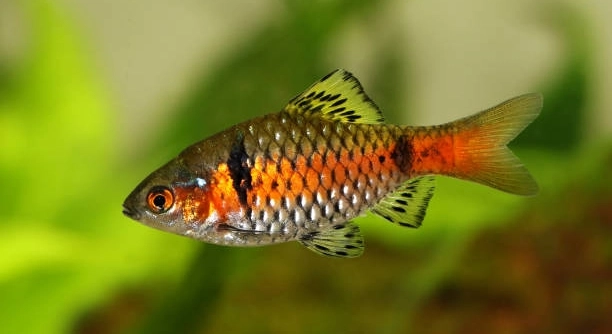
Keeping rosy barbs in a tank can be a rewarding hobby for many aquarium enthusiasts. These lively fish add color and movement to any home aquarium. However, maintaining their health and happiness requires attention to certain important details.
There are specific practices that should always be avoided in a rosy barb tank to prevent stress, illness, and poor water quality. These include overcrowding, improper feeding, and neglecting water changes. Following proper care guidelines ensures a stable environment for the fish.
Learning about these common mistakes will help you create a thriving habitat for your rosy barbs. Understanding what to avoid is the first step toward successful fishkeeping.
Overcrowding the Tank
Rosy barbs need enough space to swim freely and stay healthy. When too many fish are placed in a small tank, it causes stress and aggression. Overcrowding also leads to poor water quality because waste builds up quickly. This can cause diseases and reduce oxygen levels in the water. A good rule is to have about one gallon of water per inch of fish. It helps maintain balance and keeps the fish comfortable. Proper tank size also makes it easier to clean and monitor the environment. Avoid filling the tank with too many decorations that limit swimming space. Providing enough room for each fish supports their natural behavior and reduces chances of injury or conflict.
Overcrowding stresses rosy barbs and damages water quality, increasing the risk of illness and early death.
To prevent overcrowding, carefully plan the number of fish your tank can support. Regularly check fish size as they grow, and consider upgrading to a larger tank if needed. Avoid adding more fish than recommended, even if some seem small or inactive. Proper spacing creates a peaceful and healthy home where rosy barbs can thrive and display their natural colors. Monitoring tank population also simplifies care routines like feeding and cleaning, making the hobby more enjoyable.
Feeding Inappropriately
Feeding rosy barbs too much or the wrong type of food can cause health issues. Overfeeding leads to excess waste, which pollutes the water and causes algae growth. It also makes the fish overweight and prone to disease. Rosy barbs do well on a varied diet including flakes, pellets, and occasional live or frozen foods. Feeding small amounts two to three times a day is enough. Avoid giving human food or large meals that the fish can’t eat quickly. Uneaten food should be removed to keep the tank clean.
Proper feeding keeps rosy barbs healthy and the tank environment balanced.
Feeding a balanced diet with correct portions supports growth and coloration. Observe how much your fish eat in a few minutes, then adjust the amount to avoid leftovers. Introducing live or frozen foods like brine shrimp or bloodworms occasionally adds nutrients and encourages natural hunting behavior. Maintaining feeding discipline reduces waste buildup, preventing water quality problems and related health risks. Good feeding habits are key to long-term success in caring for rosy barbs.
Ignoring Water Quality
Poor water quality quickly harms rosy barbs. High levels of ammonia, nitrites, or nitrates stress the fish and cause illness. Regular testing and water changes are necessary to keep the environment safe.
Maintaining good water quality means monitoring chemical levels and removing waste regularly. Ammonia and nitrite should always be at zero, while nitrate should stay below 20 ppm. Frequent partial water changes, about 25% weekly, help keep these levels in check. A good filter is essential to remove toxins and maintain oxygen levels. Neglecting water changes leads to a toxic environment that weakens the fish’s immune system and makes them vulnerable to diseases.
Also, avoid sudden changes in water temperature or pH, as rosy barbs are sensitive to shifts. Keeping a stable environment reduces stress and promotes healthy behavior. Proper maintenance routines ensure your fish thrive and look their best over time.
Using Incorrect Tank Mates
Not all fish get along with rosy barbs. Aggressive or much larger tank mates can bully or injure them. Choosing compatible species is important for harmony.
Rosy barbs are active but can be nippy. They do well with other semi-aggressive fish of similar size, such as danios or barbs. Avoid slow-moving, long-finned fish that may become targets. Peaceful community fish like tetras can also work if the tank is large enough. Introducing too many aggressive or territorial fish creates stress and fights. This stress can lead to poor health or death. Always research the temperament and needs of potential tank mates before adding them to the rosy barb tank. Proper social grouping promotes a calm and balanced aquarium environment.
Skipping Regular Tank Cleaning
Skipping tank cleaning causes harmful waste to build up. This leads to cloudy water and unhealthy conditions for rosy barbs.
Regular cleaning keeps the environment safe and prevents disease. Removing debris and changing water help maintain clear water and balanced chemistry.
Using Inappropriate Decorations
Some decorations can hurt rosy barbs. Sharp edges or rough surfaces may injure their fins and bodies. Avoid decorations with unsafe materials or that trap fish. Choose smooth, non-toxic decorations to create a safe and natural habitat.
Neglecting Proper Lighting
Rosy barbs need moderate lighting to thrive. Too much light causes stress and algae growth, while too little affects their color and activity. Balance the lighting with a timer, providing about 8 to 10 hours of light daily. This helps maintain their health and natural behavior.
FAQ
How often should I change the water in a rosy barb tank?
Water changes should happen regularly, ideally every week. Changing about 25% of the water each time helps keep harmful chemicals low. This routine removes waste and refreshes the tank, which supports the health of your rosy barbs.
What is the best diet for rosy barbs?
Rosy barbs thrive on a varied diet. High-quality flakes or pellets designed for tropical fish are good daily staples. Supplement their diet with live or frozen foods like brine shrimp or bloodworms once or twice a week. This variety supports their growth and vibrant colors.
Can rosy barbs live with other fish species?
Yes, but it’s important to choose compatible tank mates. Rosy barbs do well with similarly sized, active fish like danios or some barbs. Avoid slow-moving or long-finned fish, as rosy barbs can nip fins. Always research tank mates’ behavior before mixing them.
What tank size is suitable for rosy barbs?
A minimum of 20 gallons is recommended for a small group of rosy barbs. They are active swimmers and need space to move freely. A larger tank also helps maintain stable water conditions, reducing stress and aggression among the fish.
How do I prevent fin nipping among rosy barbs?
Fin nipping can happen when there is overcrowding or stress. Ensure enough space and avoid mixing with aggressive or slow fish. Providing plenty of hiding spots and keeping the fish well-fed can reduce aggressive behavior.
What water temperature is ideal for rosy barbs?
Rosy barbs prefer water temperatures between 64°F and 72°F (18°C to 22°C). Keeping the temperature stable within this range helps prevent stress and supports their immune system. Avoid sudden temperature changes.
How can I tell if my rosy barb is sick?
Signs of illness include faded color, clamped fins, unusual swimming patterns, or loss of appetite. White spots, redness, or swollen areas also indicate health problems. Early detection and proper treatment improve chances of recovery.
Is it necessary to use a water conditioner?
Yes, always use a water conditioner when adding tap water to the tank. It removes harmful chlorine and chloramines, making the water safe for your fish. This step is essential to protect delicate gills and overall health.
Can rosy barbs breed in a home aquarium?
Rosy barbs can breed if conditions are right, including a separate breeding tank. They lay eggs on plants or spawning mops. After spawning, adults should be removed to prevent eating the eggs. Raising fry requires careful feeding and clean water.
How long do rosy barbs typically live?
With proper care, rosy barbs can live up to 5 years. Their lifespan depends on good water quality, diet, and stress-free living conditions. Regular maintenance and monitoring improve their chances for a long, healthy life.
Taking care of rosy barbs requires attention to several important factors. These fish are lively and colorful, but they need the right environment to stay healthy. Avoiding common mistakes like overcrowding, poor water quality, and inappropriate feeding will make a big difference. Keeping the tank clean and choosing suitable tank mates also play a key role in their well-being. With regular care and monitoring, rosy barbs can live a long and happy life in your aquarium.
It is important to remember that maintaining stable water conditions is essential. Rosy barbs are sensitive to changes in temperature, pH, and water chemistry. Testing the water regularly and performing consistent partial water changes will help prevent many common problems. Feeding them a balanced diet with appropriate portions supports their growth and vibrant colors. Overfeeding or giving the wrong food can cause health issues and damage the tank environment.
By understanding what not to do in a rosy barb tank, you create a safe and comfortable space for your fish. Avoiding stressors like aggressive tank mates and sharp decorations protects them from injury. Providing enough room to swim and regular cleaning routines improve their quality of life. Caring for rosy barbs is a rewarding experience when you follow these simple guidelines and stay consistent with tank maintenance. This care ensures your fish stay active and beautiful for years.

Hello,
If you enjoy the content that we create, please consider saying a "Thank You!" by leaving a tip.
Every little bit helps us continue crafting quality advice that supports the health, happiness, and well-being of pets around the world, for pets of all shapes, sizes, and species.
We really appreciate the kindness and support that you show us!