
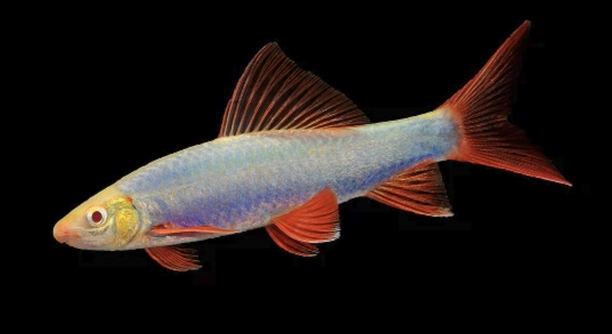
Rainbow sharks are popular freshwater fish known for their bright colors and active nature. Many people enjoy keeping them in home aquariums for their unique appearance and lively behavior. Understanding their needs is important before adding one to your tank.
Rainbow sharks require specific tank conditions, including enough space, proper water parameters, and compatible tank mates. They can be territorial, so careful planning is necessary to ensure a healthy environment for all fish involved.
Knowing these basics will help you create a suitable home for your rainbow shark. This article covers essential points to prepare you for responsible care and enjoyment.
Tank Size and Setup
Rainbow sharks need enough space to swim freely. A tank that is at least 30 gallons is recommended for one rainbow shark. They are active swimmers and enjoy having places to explore. Adding hiding spots like plants, rocks, and decorations helps them feel safe. The tank should have a smooth substrate because they like to swim near the bottom. Make sure the water is clean and well-filtered. Regular water changes help keep the environment healthy. Lighting should not be too bright as these fish prefer dimmer conditions. The water temperature should stay between 74 and 80 degrees Fahrenheit to keep them comfortable. It is also important to maintain a pH level around 6.5 to 7.5.
Maintaining these conditions will promote the fish’s health and reduce stress.
A proper tank setup encourages natural behavior in rainbow sharks. When they feel secure, they display more vibrant colors and active swimming patterns. Inadequate space or poor water quality may lead to aggression or illness. Keeping the tank clean and stable is essential. Adding plants and decorations provides hiding spots and breaks up lines of sight, which can reduce territorial disputes. A well-maintained environment ensures your rainbow shark can thrive and live a longer, healthier life.
Behavior and Compatibility
Rainbow sharks can be territorial, especially in smaller tanks.
They may show aggression toward other fish, particularly those with similar shapes or colors. To avoid conflicts, it’s best to keep them with peaceful species that occupy different tank levels. Avoid housing them with slow-moving or shy fish, as this may cause stress. Grouping multiple rainbow sharks in a tank can increase fights, so if you want more than one, provide a much larger space with plenty of hiding places. Monitoring behavior regularly helps catch signs of stress or aggression early. Proper compatibility makes the aquarium a peaceful place for all inhabitants.
Feeding and Diet
Rainbow sharks are omnivores and need a balanced diet. They eat flakes, pellets, and live or frozen foods like bloodworms and brine shrimp. Feeding them twice a day in small amounts helps keep them healthy without polluting the water.
It’s important to provide a variety of foods to meet their nutritional needs. Flakes or pellets designed for tropical fish should be the base of their diet. Supplementing with protein-rich live or frozen foods supports growth and vibrant colors. Avoid overfeeding, as leftover food can harm water quality. Feeding only once a day or skipping days occasionally can also help control their appetite and reduce waste buildup. Proper nutrition affects their activity level and overall health.
Offering fresh vegetables occasionally, like blanched spinach or peas, can improve digestion. Observing their eating habits helps ensure they are getting enough food. Consistency in feeding routines supports their well-being and reduces stress.
Water Quality and Maintenance
Keeping water clean is essential for rainbow sharks. Frequent water testing helps track ammonia, nitrite, nitrate, and pH levels. Proper filtration and regular water changes prevent harmful buildup and promote fish health.
Stable water conditions reduce stress and disease risk. Ammonia and nitrite should always be zero, while nitrate should stay below 20 ppm. Changing 20-30% of the water weekly removes toxins and refreshes minerals. Avoid sudden temperature or pH changes, which can shock the fish. Using a good filter suited for your tank size ensures proper circulation and cleanliness. Routine tank maintenance includes gravel vacuuming to remove waste and uneaten food. Clean equipment regularly to prevent bacterial growth. A healthy tank environment helps your rainbow shark thrive and prevents common health problems related to poor water quality.
Health and Common Issues
Rainbow sharks can face health problems if tank conditions are poor. Common issues include fin rot, ich, and stress-related illnesses. Early detection and proper care are important.
Keeping the water clean and stable reduces the risk of disease. Quarantining new fish before adding them helps prevent infections.
Tank Mates
Choosing the right tank mates is key. Peaceful, fast-swimming fish like danios or barbs often coexist well with rainbow sharks. Avoid slow or shy fish that may become targets of aggression.
Breeding
Breeding rainbow sharks is challenging in home aquariums due to their territorial behavior. They require a larger tank with plenty of hiding spots. Separate males and females before breeding to reduce fighting.
Lifespan
Rainbow sharks can live up to 5-7 years with proper care. Consistent maintenance and a good diet contribute to a longer, healthier life.
FAQ
How big do rainbow sharks get?
Rainbow sharks typically grow to about 6 inches in length. They need enough space in the tank to swim comfortably. A tank of at least 30 gallons is recommended to allow for healthy growth and movement. Smaller tanks can cause stress and limit their natural behavior.
Are rainbow sharks aggressive?
Rainbow sharks can be territorial and show aggression, especially in smaller tanks or when kept with similar-looking fish. They may chase or nip at other fish. Providing enough space and hiding spots helps reduce this behavior. Avoid housing them with slow or shy fish.
What do rainbow sharks eat?
They are omnivores and eat flakes, pellets, and live or frozen foods such as bloodworms and brine shrimp. A varied diet supports their health and bright colors. Vegetables like peas and spinach can be given occasionally to aid digestion.
Can rainbow sharks live with other fish?
Yes, if chosen carefully. Peaceful, fast-swimming fish that occupy different areas of the tank work best. Avoid slow, shy, or similar-looking fish to reduce conflicts. Monitoring behavior regularly is important to ensure harmony.
How often should I feed my rainbow shark?
Feeding twice a day in small amounts is ideal. Avoid overfeeding to keep the water clean. Remove uneaten food after a few minutes to prevent waste buildup. Occasionally skipping a feeding day can help control appetite and water quality.
What water conditions do they need?
Rainbow sharks thrive in water temperatures between 74-80°F and a pH of 6.5 to 7.5. Ammonia and nitrite levels should always be zero, with nitrate below 20 ppm. Regular testing and maintenance keep the water safe and stable.
How often should I change the water?
Changing 20-30% of the water weekly is best. This removes toxins and refreshes minerals. Consistent water changes maintain healthy living conditions and prevent disease. Always use dechlorinated water at the right temperature.
How can I tell if my rainbow shark is sick?
Signs include faded colors, clamped fins, lack of appetite, or unusual swimming. White spots or damaged fins may indicate disease. Early treatment and improved water quality increase chances of recovery.
Can rainbow sharks breed in home aquariums?
Breeding is difficult due to their territorial nature. A large tank with plenty of hiding spaces is needed. Separate males and females before breeding to avoid fights. Spawning usually requires specific conditions that are hard to replicate at home.
What is the average lifespan?
With proper care, rainbow sharks can live 5 to 7 years. Good diet, clean water, and appropriate tank conditions contribute to a longer life. Regular observation and maintenance help keep them healthy.
Do rainbow sharks need a heater?
Yes, since they prefer tropical temperatures, a heater is necessary to maintain water between 74-80°F. Sudden temperature changes can stress them, so keeping the tank warm and stable is important.
Is a filter necessary for rainbow sharks?
A good filter is essential. It keeps the water clean and oxygenated, which supports fish health. Filters also reduce harmful waste buildup. Choose one suitable for the tank size to maintain proper water flow and clarity.
How do I reduce aggression in rainbow sharks?
Provide a spacious tank with plenty of hiding spots and plants. Avoid overcrowding and keep compatible tank mates. Rearranging decorations occasionally can break territorial boundaries and reduce fights.
Can rainbow sharks live alone?
Yes, they can live alone happily if given enough space and enrichment. Some owners prefer keeping a single rainbow shark to avoid aggression issues. However, they still need proper tank conditions and stimulation.
What substrate is best for rainbow sharks?
Smooth gravel or sand is best. They spend time near the bottom and prefer gentle surfaces to avoid injury. Avoid sharp or rough substrates that could harm their delicate fins and bodies.
Taking care of a rainbow shark requires some thought and preparation. These fish are active and colorful, making them a popular choice for many aquarium owners. However, they have specific needs that must be met for them to stay healthy and happy. Providing the right tank size, clean water, and a proper diet are key parts of good care. Without these, rainbow sharks can become stressed or aggressive, which affects their well-being. Understanding their behavior and compatibility with other fish also helps create a peaceful environment in the tank.
Maintaining water quality is one of the most important responsibilities when keeping rainbow sharks. Regular water changes, testing for harmful chemicals, and having a good filtration system help keep the tank environment stable. This reduces the risk of disease and supports the fish’s health. Feeding them a balanced diet with variety will also improve their vitality and color. Overfeeding or poor nutrition can cause problems, so it is important to be consistent and careful. Watching your rainbow shark for any signs of illness or unusual behavior allows you to act quickly if something is wrong.
Rainbow sharks can live for several years with proper care, and they offer a lively and attractive addition to a freshwater aquarium. It’s important to research and prepare before getting one to avoid common mistakes. They need space to swim, hiding places to feel secure, and peaceful tank mates to avoid stress. When their needs are met, rainbow sharks show their best colors and natural behavior, making them rewarding pets. Taking the time to learn about their care will help ensure your fish live a healthy and enjoyable life.

Hello,
If you enjoy the content that we create, please consider saying a "Thank You!" by leaving a tip.
Every little bit helps us continue crafting quality advice that supports the health, happiness, and well-being of pets around the world, for pets of all shapes, sizes, and species.
We really appreciate the kindness and support that you show us!