
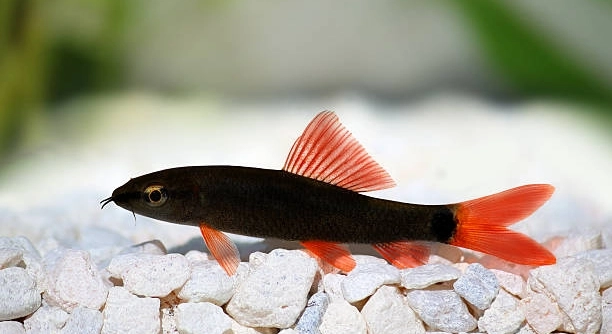
Have you ever added a rainbow shark to your aquarium and noticed it behaving a little differently than your other fish?
Rainbow sharks are known for being territorial and semi-aggressive, especially toward similar-looking tankmates. Their social behavior is influenced by tank size, companions, and environmental factors. Understanding their nature helps prevent stress and unwanted conflicts in community tanks.
Knowing how they interact with other fish can help you build a more peaceful and balanced environment in your aquarium.
Rainbow Sharks Are Naturally Territorial
Rainbow sharks tend to claim a section of the tank as their own. Once they choose a space, they often guard it aggressively, especially from similar-looking or bottom-dwelling fish. This territorial behavior usually becomes more noticeable as they mature. While juveniles might seem calm, adult rainbow sharks are quick to defend their chosen areas. Placing multiple rainbow sharks in the same tank is not recommended unless the aquarium is large enough to provide separate territories. Even then, conflict may still arise. Their territorial nature is part of their survival instinct, helping them secure resources and establish control. Decorations, caves, and plants can help reduce stress by breaking lines of sight, but they won’t eliminate aggression entirely. Keeping them in tanks with peaceful, fast-swimming mid-level fish often works better. Avoid housing them with slow-moving or long-finned tankmates. This instinctive behavior may seem intense, but it’s normal for rainbow sharks in captive environments.
Their aggression usually peaks during feeding times or if another fish crosses into their space.
Providing enough hiding spots and visual barriers can ease tension. If your tank is too small, their behavior might get worse. A 55-gallon tank is usually the minimum for one adult.
Social Compatibility Depends on Tank Setup
Tank conditions play a major role in how rainbow sharks interact with other fish.
Rainbow sharks need a carefully arranged setup to limit their aggressive behavior. Tank size is one of the most important factors. A small tank increases stress and makes it easier for the shark to see and confront other fish. A longer tank with plenty of swim space helps lower this risk. Filtration and water quality also matter—poor conditions can make their behavior even more intense. Decorations, driftwood, and dense plants give them private areas to explore and rest without constant interaction. This also breaks up the tank’s layout, allowing more areas to be claimed without direct conflict. The type of tankmates also matters. Avoid housing rainbow sharks with red-tailed sharks, other rainbow sharks, or similarly shaped fish. Peaceful fish like danios, rasboras, or barbs can coexist with them, provided there’s enough room. Careful planning and attention to detail go a long way when building a calm, balanced aquarium with a rainbow shark.
Rainbow Sharks Do Not School Like Other Fish
Rainbow sharks are not schooling fish and prefer to live alone. When kept in groups, they often chase or harass each other, especially in smaller tanks. They value personal space and become stressed if forced into close proximity.
Unlike tetras or barbs that rely on group dynamics for safety, rainbow sharks are solitary by nature. They might tolerate tankmates that occupy different water levels, but they will not swim in groups or engage in synchronized movements. Instead, they patrol their chosen area and push others away if they get too close. Attempts to force social interaction often lead to fights or injury. Even when housed with peaceful fish, rainbow sharks still prefer to keep their distance. Their behavior stays consistent across different tank setups. Giving them room to establish territory reduces conflict and helps maintain tank stability, especially in community environments with multiple species.
Keeping more than one rainbow shark in the same tank can quickly lead to trouble. They will constantly compete for space, and the stronger one usually pushes the weaker into hiding or starvation. To prevent this, avoid pairing them with fish that resemble their shape or size. Proper planning ensures your tank stays calm and well-balanced over time.
Aggression Can Be Triggered by Specific Tankmates
Certain fish types can trigger aggressive responses in rainbow sharks, especially those with similar body shapes or bottom-dwelling habits. Fish like red-tailed sharks, bala sharks, and some loaches often bring out territorial behavior and stress responses.
Rainbow sharks feel threatened when housed with species that look or behave similarly. These similarities confuse their instincts, leading them to treat the other fish as a rival. Even peaceful fish may face aggression if they share the lower levels of the tank. Coloration plays a role too—red tails or fins can be seen as a challenge. If your rainbow shark becomes overly aggressive, it might be reacting to one of these cues. Rearranging the tank decorations can help reset territorial lines, but long-term success depends on thoughtful stocking choices. Choose tankmates that swim in the middle or upper levels and avoid fish with bright red features or long flowing fins. This reduces the chances of fights and helps maintain a balanced environment.
They Become More Aggressive With Age
Juvenile rainbow sharks tend to be more tolerant of tankmates, but their aggression often increases as they grow. Mature sharks are more likely to defend their space and display dominance, especially in smaller tanks.
As they age, their instincts become stronger. This shift can lead to sudden aggression, even in previously peaceful tanks.
Feeding Time Can Trigger Chasing
Food brings out their competitive side. During feeding, rainbow sharks may become territorial and chase other fish away from the area. To reduce this behavior, feed in multiple spots and ensure every fish has access to food. Spreading out feeding zones helps lower tension during meal times.
They Benefit From Predictable Routines
Rainbow sharks respond well to stable environments. Sudden changes in lighting, tank mates, or layout can cause stress and defensive behavior. Keeping a consistent routine helps them feel secure and reduces unnecessary aggression in your tank.
FAQ
Why is my rainbow shark chasing other fish?
Rainbow sharks are naturally territorial and can become aggressive to protect their space. Chasing other fish is a way to establish dominance or defend their chosen area. This behavior is more common in smaller tanks where space is limited. Providing more room and hiding spots can help reduce chasing.
Can I keep more than one rainbow shark in the same tank?
It is generally not recommended to keep multiple rainbow sharks together unless the tank is very large, ideally over 75 gallons. Even then, aggression can still occur because they see similar fish as competitors. If you want multiple rainbow sharks, provide plenty of space and separate territories.
What tankmates are best for rainbow sharks?
Peaceful mid- to upper-level swimmers make the best companions. Fish such as danios, rasboras, and barbs tend to coexist well. Avoid other bottom dwellers or fish with similar size and shape to prevent territorial disputes.
Why does my rainbow shark hide often?
Hiding can be a sign of stress or fear caused by aggressive tankmates or overcrowding. It may also mean your tank setup lacks sufficient hiding spots. Make sure your tank has plants, caves, or decorations to help your shark feel secure.
How can I reduce aggression in my rainbow shark?
Improving tank size and layout is the first step. Adding visual barriers and hiding places helps break line of sight. Feeding in multiple spots also lowers competition. Finally, select compatible tankmates that don’t resemble the rainbow shark in size or color.
Do rainbow sharks need a specific diet?
They are omnivores and thrive on a varied diet that includes sinking pellets, flakes, and occasional live or frozen foods like bloodworms or brine shrimp. Feeding a balanced diet supports their health and energy levels.
How big do rainbow sharks get?
Adult rainbow sharks typically grow to about 6 inches in length. This size requires a tank of at least 55 gallons to allow enough swimming space and reduce territorial behavior.
Is aggression more common during breeding?
Rainbow sharks can become more aggressive during breeding periods, although breeding in home aquariums is rare. Aggression during this time is linked to defending spawning sites and mates.
Why does my rainbow shark nip fins?
Fin nipping often occurs when the shark feels threatened or stressed by overcrowding or inappropriate tankmates. It can also be caused by boredom or lack of stimulation in the tank environment.
Can rearranging the tank help with aggression?
Yes, changing decorations or adding plants can reset territorial boundaries and reduce aggression. Rearranging breaks familiar landmarks and forces fish to reestablish territories, which can lower fights.
What is the ideal tank size for one rainbow shark?
A minimum of 55 gallons is recommended for one adult rainbow shark. Larger tanks provide more space to claim territory and reduce conflicts with other fish.
Are rainbow sharks compatible with shrimp or snails?
Rainbow sharks may see smaller invertebrates as food, so compatibility depends on the shark’s temperament and hunger. If shrimp or snails are kept, they should have plenty of hiding places to avoid becoming prey.
Do rainbow sharks recognize their owners?
They don’t recognize people like pets but may learn feeding routines and associate owners with food. This can make them more responsive when you approach the tank during feeding times.
How can I tell if my rainbow shark is stressed?
Signs include hiding excessively, loss of color, reduced appetite, or erratic swimming. Stress often results from poor water quality, overcrowding, or incompatible tankmates. Addressing these issues helps improve their well-being.
Is it normal for rainbow sharks to be shy at first?
Yes, they can be shy or cautious when introduced to a new tank. Over time, they usually become more confident once they establish territory and become familiar with the environment.
What water conditions do rainbow sharks prefer?
They thrive in slightly acidic to neutral pH (6.5–7.5) and temperatures between 72–79°F (22–26°C). Stable water quality with regular maintenance is essential for their health.
Can rainbow sharks live in planted tanks?
Yes, they do well in planted tanks where plants offer hiding spots and reduce aggression. Choose hardy plants that can tolerate occasional nibbling or disturbance.
Do rainbow sharks need strong water flow?
Moderate water flow is preferred, simulating their natural river habitat. Strong currents can stress them, while still water may not provide enough oxygenation.
How often should I feed my rainbow shark?
Feed small amounts two to three times daily. Overfeeding can pollute the tank and cause health issues, while underfeeding may increase aggression during feeding times.
Are rainbow sharks active during the day or night?
They are mostly diurnal, active during daylight hours and resting at night. Providing a natural light cycle helps maintain their regular behavior.
Can stress cause health problems in rainbow sharks?
Yes, prolonged stress weakens their immune system and makes them susceptible to diseases like fin rot or ich. Managing tank conditions and aggression is key to keeping them healthy.
Rainbow sharks have unique social behaviors that set them apart from many other aquarium fish. Their territorial nature and preference for living alone mean they require special care when introduced to a community tank. Understanding how they interact with other fish helps keep them and their tankmates safe and stress-free. While their chasing and aggressive actions can seem harsh, these behaviors are natural instincts for protecting their space. Recognizing this is the first step to creating a healthy environment where rainbow sharks can thrive without constant conflict.
Providing a large enough tank with plenty of hiding places is crucial for managing their behavior. A spacious setup allows the shark to establish its territory while giving other fish room to avoid unwanted encounters. Visual barriers like plants and decorations help break the line of sight, which reduces aggression. Choosing compatible tankmates that occupy different water levels or swim styles also helps maintain peace. Feeding in multiple spots during mealtime decreases competition and territorial disputes. These practical steps make it easier to live with rainbow sharks and keep the aquarium balanced.
Maintaining good water quality and a consistent routine benefits rainbow sharks greatly. Sudden changes in the tank or poor conditions increase stress and aggressive tendencies. Stable environments help the fish feel secure and less defensive. Watching for signs of stress or illness allows early action before problems escalate. Although rainbow sharks may not be the easiest fish to keep due to their social needs, careful planning and attention to their behavior lead to a rewarding aquarium experience. Their vibrant colors and active nature add interest when their needs are understood and respected.

Hello,
If you enjoy the content that we create, please consider saying a "Thank You!" by leaving a tip.
Every little bit helps us continue crafting quality advice that supports the health, happiness, and well-being of pets around the world, for pets of all shapes, sizes, and species.
We really appreciate the kindness and support that you show us!