
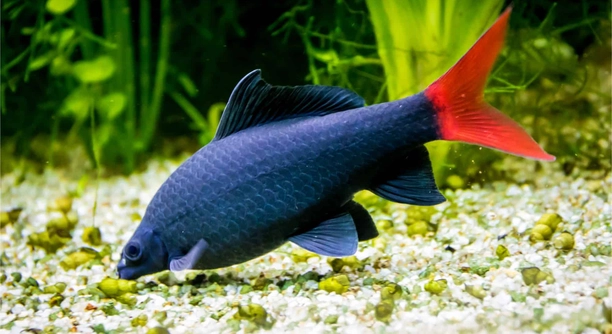
Rainbow sharks are popular freshwater fish known for their vibrant colors and peaceful nature. Many aquarium enthusiasts enjoy keeping them but often wonder about their lifespan. Knowing how long they live can help in providing proper care and planning for their well-being.
Rainbow sharks typically live between 5 to 8 years in captivity, depending on the quality of care, diet, and environment. Proper tank maintenance and a balanced diet contribute significantly to their longevity and overall health.
Understanding the factors that influence their lifespan will help ensure these fish thrive in home aquariums. The following information covers essential points every owner should know.
Understanding Rainbow Shark Lifespan Factors
Several factors affect how long a rainbow shark can live in an aquarium. Water quality is one of the most important. These fish need clean, well-filtered water with stable temperature and pH levels. Sudden changes or poor water conditions can stress the fish and shorten their lifespan. Diet also plays a key role. A balanced diet rich in protein and plant matter helps maintain their health. Overfeeding or feeding inappropriate foods may cause health problems. Tank size matters too; rainbow sharks require enough space to swim freely and avoid aggression. Providing hiding places reduces stress and supports their well-being. Regular monitoring and maintenance are essential to keep the environment stable and healthy for these fish.
Rainbow sharks generally live longer when their environment closely matches their natural habitat. Clean water and a proper diet are essential for their health.
Taking care of all these factors can extend your rainbow shark’s lifespan. Attention to detail and consistent care ensure your fish stays active and healthy for many years.
Common Health Issues and Prevention
Rainbow sharks are prone to certain health problems, mainly related to water quality and diet. Poor water conditions often lead to infections or diseases. Common issues include fin rot, ich, and internal parasites. These conditions are usually preventable with proper tank maintenance and water testing. Feeding high-quality food and avoiding overfeeding helps prevent nutritional deficiencies and obesity. Stress from overcrowding or aggressive tank mates can weaken their immune system. It’s important to choose compatible fish and maintain adequate space. Regular observation for signs of illness allows early intervention and treatment, improving recovery chances. Consistent care and a clean environment reduce the risk of health problems, ensuring a longer lifespan for your rainbow shark.
Tank Setup and Environment
Rainbow sharks need a tank that is at least 30 gallons to provide enough swimming space. A larger tank helps reduce territorial aggression and stress. They prefer tanks with plenty of hiding spots using rocks, plants, or decorations.
The tank environment should have a temperature between 72°F and 79°F, with a pH level around 6.5 to 7.5. Using a reliable heater and regular water testing keeps conditions stable. A good filtration system is necessary to maintain water clarity and reduce toxins. Regular water changes, about 20% weekly, help keep the tank clean. Avoid sudden changes in temperature or water parameters as these can shock the fish.
Lighting should mimic natural day and night cycles to maintain their health. Dim lighting with shaded areas allows rainbow sharks to feel secure. Live plants not only provide shelter but also improve water quality. Setting up a balanced environment contributes significantly to their lifespan and behavior.
Diet and Feeding Habits
Rainbow sharks are omnivores and need a varied diet that includes both protein and plant matter. Feeding them sinking pellets, flakes, and occasional live or frozen foods ensures they get the nutrients they require. Feeding small amounts twice a day helps prevent overfeeding and water pollution.
Supplements like blanched vegetables (zucchini or spinach) offer additional nutrients and fiber. Avoid feeding solely on one type of food, as this may cause nutritional imbalances. Healthy feeding habits contribute directly to their growth and longevity.
It is important to remove uneaten food after feeding to avoid water contamination. Careful feeding and a balanced diet support their immune system and overall well-being, which in turn helps extend their lifespan.
Tank Mates and Social Behavior
Rainbow sharks can be territorial, especially as they mature. Choosing peaceful tank mates helps reduce aggression. Avoid other bottom dwellers or similar-looking fish that may cause conflicts.
Keeping one rainbow shark per tank is often best. If housing multiple, ensure the tank is large enough with plenty of hiding places.
Breeding Rainbow Sharks
Breeding rainbow sharks in captivity is challenging due to their territorial nature and specific environmental needs. They require a large tank and stable water conditions for successful spawning. Separate males and females initially to reduce aggression. Spawning usually happens in the early morning when the water temperature rises slightly. The female lays eggs on flat surfaces, which the male then fertilizes. After spawning, removing the adults helps protect the eggs from being eaten. The eggs hatch in about 24 to 36 hours, and fry need special care with finely crushed food. Breeding rainbow sharks demands patience and careful attention to tank conditions.
Signs of Aging in Rainbow Sharks
As rainbow sharks age, they may become less active and show faded colors. These changes are normal and indicate they are reaching the later stages of their lifespan.
FAQ
How long do rainbow sharks live in home aquariums?
Rainbow sharks usually live between 5 to 8 years in a well-maintained home aquarium. Their lifespan depends heavily on water quality, diet, and proper tank conditions. Fish kept in optimal environments with regular care often reach the upper end of this range.
What tank size is ideal for a rainbow shark?
A minimum of 30 gallons is recommended for one rainbow shark. Larger tanks are better, especially if keeping multiple fish, as they reduce territorial behavior and stress by providing enough swimming space.
Can rainbow sharks live with other fish?
Yes, but caution is necessary. They are territorial and may show aggression toward similar-looking or bottom-dwelling fish. Peaceful species like tetras, danios, or barbs often make suitable tank mates if the tank is spacious and well-decorated.
What should I feed my rainbow shark?
Rainbow sharks are omnivores. A varied diet including sinking pellets, flakes, live or frozen foods, and blanched vegetables like spinach or zucchini keeps them healthy. Avoid overfeeding, and remove uneaten food promptly to maintain water quality.
How often should I change the water in a rainbow shark tank?
Changing 20% of the water weekly is ideal. This helps remove toxins and maintain stable water parameters, which are crucial for the fish’s health and longevity.
What water conditions do rainbow sharks need?
They prefer temperatures between 72°F and 79°F and a pH level between 6.5 and 7.5. Stable water parameters with good filtration and regular testing are essential to prevent stress and disease.
Why is my rainbow shark hiding so much?
Hiding behavior can indicate stress, illness, or poor water conditions. Ensure the tank environment is suitable with proper temperature, clean water, and enough hiding spots. Monitor for signs of disease if hiding continues.
Can rainbow sharks breed in captivity?
Breeding rainbow sharks is difficult due to their territorial nature and specific requirements. Spawning needs a large tank, stable water conditions, and separation of males and females before introducing them together for breeding.
What are common health problems in rainbow sharks?
Common issues include fin rot, ich, and parasites, usually caused by poor water quality or stress. Proper tank maintenance and diet help prevent these problems. Early detection and treatment improve recovery chances.
How can I tell if my rainbow shark is aging?
Older rainbow sharks may become less active and show faded colors. These signs are normal and indicate they are entering the later stages of life.
Is it normal for rainbow sharks to be aggressive?
Some territorial behavior is normal, especially as they mature. Providing enough space and hiding spots helps minimize aggression. Avoid keeping multiple rainbow sharks in small tanks.
What decorations are best for rainbow shark tanks?
Rocks, driftwood, and live or artificial plants provide hiding spots and reduce stress. A balanced setup with shaded areas allows rainbow sharks to feel secure while swimming freely.
How do I prevent diseases in my rainbow shark?
Maintain clean water with regular changes and filtration. Feed a balanced diet and avoid overcrowding. Quarantine new fish before adding them to the tank to reduce disease risk.
Can rainbow sharks adapt to community tanks?
They can, if tank mates are peaceful and different in appearance and behavior. Large tanks with plenty of territory reduce conflicts. Careful monitoring is necessary to ensure harmony.
How important is lighting for rainbow sharks?
Lighting should mimic natural cycles with periods of light and darkness. Too bright or constant light can stress the fish. Dim lighting with shaded areas helps them feel secure.
What should I do if my rainbow shark shows signs of illness?
Isolate the fish if possible and test water quality. Consult with a specialist or veterinarian for diagnosis and treatment. Early action improves chances of recovery.
Can rainbow sharks live in outdoor ponds?
They are primarily tropical freshwater fish and need stable warm temperatures. Outdoor ponds in temperate climates usually are not suitable unless heated and carefully maintained.
Do rainbow sharks require special care during winter?
Indoor tanks should maintain consistent temperature year-round. Avoid sudden temperature drops which can stress the fish. Use heaters and monitor conditions regularly.
How fast do rainbow sharks grow?
They grow moderately fast, reaching about 6 inches in length within their first year if well cared for. Growth rate depends on diet, water quality, and tank size.
What is the best way to introduce a new rainbow shark to an existing tank?
Quarantine the new fish for at least two weeks to check for diseases. Introduce it slowly, preferably during feeding time, and rearrange tank decorations to reduce territorial disputes.
This FAQ covers many important aspects of rainbow shark care and lifespan. Following these guidelines helps maintain a healthy environment and supports your fish’s well-being over the years.
Taking care of a rainbow shark requires attention to several important details. Their lifespan depends mainly on water quality, diet, and tank conditions. Maintaining clean, well-filtered water and stable temperature and pH levels is essential. Feeding a balanced diet with the right nutrients helps keep the fish healthy and active. A properly sized tank with enough swimming space and hiding spots reduces stress and aggression. Regular maintenance, including water changes and monitoring, supports their long-term health. By focusing on these key points, you can help your rainbow shark live a full and healthy life.
It is important to understand the natural behaviors of rainbow sharks to provide the best care. These fish can be territorial, especially as they grow older, so tank mates should be chosen carefully. Avoid keeping more than one rainbow shark in a small tank to prevent conflicts. Creating an environment that mimics their natural habitat with plants, rocks, and shaded areas helps them feel secure. Watching for signs of illness or aging allows early intervention, which can improve their chances of recovery and comfort. Regular observation and care make a significant difference in their wellbeing.
Overall, keeping a rainbow shark can be rewarding when their needs are met consistently. While their care requires effort and attention, the results are worth it. A healthy rainbow shark displays vibrant colors, active swimming, and curiosity in its tank. Understanding their lifespan and the factors affecting it allows better planning for their care. With patience and proper attention, these fish can be a long-lasting and enjoyable addition to any freshwater aquarium. The effort put into their care ensures a balanced and thriving aquatic environment.

Hello,
If you enjoy the content that we create, please consider saying a "Thank You!" by leaving a tip.
Every little bit helps us continue crafting quality advice that supports the health, happiness, and well-being of pets around the world, for pets of all shapes, sizes, and species.
We really appreciate the kindness and support that you show us!