
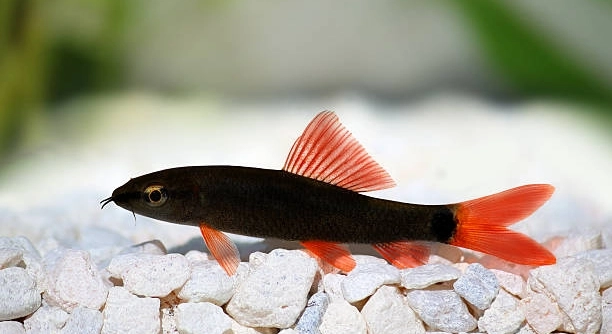
Do you ever find yourself wondering how to breed rainbow sharks successfully without causing stress or harm to your fish?
Rainbow shark breeding is difficult because of their aggressive nature and territorial behavior. Most successful cases occur in large, well-managed tanks with plenty of hiding spots and the right environmental conditions.
Understanding these key factors will help you create a safer space for your fish and improve your chances of success in the breeding process.
Breeding Conditions Must Be Just Right
Rainbow sharks are known for being territorial, so creating the right environment is very important. You’ll need a large tank, at least 75 gallons, with caves, plants, and hiding spots. Keep the water temperature between 75–81°F and maintain a pH level around 6.5 to 7.5. Lighting should be soft, and filtration must be strong but not overly harsh. It’s best to introduce the male and female into the breeding tank at the same time, ideally while they are still juveniles, to reduce aggression. Even then, they may still not tolerate each other. Watch them closely. If one starts chasing or nipping the other too often, you may need to separate them. Breeding rainbow sharks in captivity is rare, and most fish sold in stores are farm-raised with hormone treatments. That said, it’s not impossible, but it does take patience, attention to detail, and the right setup from the start.
Rainbow sharks will not breed in a tank that’s too small, too bright, or lacks shelter.
If your tank is well-established and meets these conditions, your chances improve. Adding smooth stones and soft plants can also help reduce stress. Stable water quality and a stress-free space are key. Patience is needed, as they may take time to adjust.
Not All Sharks Are Ready to Breed
Only mature rainbow sharks are capable of breeding. They usually reach sexual maturity at around four inches in length, which can take up to one year.
Sexing rainbow sharks is not always easy. Males are usually slimmer and have slightly more pointed fins, while females appear more rounded. You may not notice the difference until they are fully grown. Even with both a male and female, they may not breed unless their environment feels just right. It’s also important to understand that even if a pair seems compatible, they can become aggressive later. Having a backup plan, like a divider or a second tank, is a good idea. Some aquarists have had success by slightly increasing the water temperature and feeding protein-rich foods to encourage spawning behavior. However, even then, the behavior can be unpredictable. Rainbow sharks are not social breeders, and forcing interaction often leads to stress or injury. Watch for subtle changes in behavior, such as chasing that doesn’t turn into aggression, or the pair sharing the same hiding spot. These signs can indicate a shift toward bonding, but they’re not always consistent.
Tankmates Can Interfere With Breeding
Other fish in the tank can cause stress or even injury during the breeding process. Rainbow sharks are very territorial and do not like to share space, especially when trying to bond or spawn with a mate.
Keeping your rainbow shark pair alone in the breeding tank is usually the best choice. Even peaceful fish can disrupt the process by swimming into their territory. If you absolutely need to include tankmates, stick with calm bottom dwellers that won’t compete for space. However, this still carries risk. Any interruption during the early stages can delay or stop breeding completely. Some rainbow sharks react strongly to intruders, becoming aggressive toward the mate they were bonding with. It’s best to avoid taking chances during this sensitive time. A quiet, undisturbed space will help both fish feel more secure, which increases the chances of successful breeding behavior.
Stress from other fish can also make your rainbow sharks more likely to fight with each other. Aggression often increases when they feel their space is being invaded. This can lead to injuries or even death. Keeping them alone helps maintain a calm environment. Focus on creating a tank that feels secure, with enough room and hiding spots to support natural behaviors without distractions.
Breeding Behavior Is Hard to Spot
Early signs of interest may look like chasing or swimming side by side, but it’s easy to confuse this with aggression. Rainbow sharks often appear territorial even when bonding.
Some pairs may stay close together, occasionally rubbing or nudging each other. The male may begin circling or displaying brighter colors. These behaviors are subtle and don’t always mean spawning will happen. Unlike some fish, rainbow sharks don’t show clear rituals or nesting. Sometimes, behavior that looks like fighting is part of the bonding phase. But if you notice torn fins or constant chasing, it’s time to separate them. You can try reintroducing them after a short break. It helps to keep the tank lights dim and reduce movement around the tank. Calm surroundings support more stable behavior, which can make signs easier to read over time. Breeding behavior may take weeks to appear and often happens without warning.
Eggs Are Rarely Seen in Home Tanks
Most rainbow sharks in home aquariums never lay eggs, even under the best conditions. Breeding in captivity is extremely rare without hormone treatments, which are not recommended for home setups.
If eggs do appear, they are usually laid on flat rocks or smooth surfaces. The female may lay them at night.
Fry Require Special Care
If eggs hatch, the fry need to be moved to a separate tank immediately. Adult rainbow sharks, including the parents, will likely eat them. Use a sponge filter to avoid sucking up the fry. Feed them crushed flakes or baby brine shrimp in small amounts several times a day. Keep the water clean and warm, around 78–80°F. The fry will grow slowly, and water changes must be done carefully. Watch for signs of stress or sickness. Many won’t survive, especially if care isn’t consistent. Breeding and raising fry is not impossible, but it’s very difficult in home aquariums without experience and careful setup.
Most Success Happens in Fish Farms
Most rainbow sharks sold in stores are bred in controlled farms using hormones. This method is not suitable for home aquariums.
FAQ
How can I tell if my rainbow shark is ready to breed?
Sexual maturity usually occurs when the fish reach about four inches in length, which can take up to one year. Males tend to be slimmer with pointed fins, while females appear more rounded. However, these differences can be subtle, and readiness to breed also depends on the environment being suitable. Look for behaviors like swimming together without aggression, occasional nudging, or the male showing brighter colors. Keep in mind, rainbow sharks do not have clear breeding rituals, so signs can be easy to miss or confused with aggression.
What tank size is best for breeding rainbow sharks?
A breeding tank should be at least 75 gallons to provide enough space for both fish to establish territory and reduce aggression. The tank must have plenty of hiding places like caves and plants to create secure spots. Smaller tanks increase stress and fighting, which lowers chances of successful breeding. Stable water temperature (75–81°F) and proper pH (6.5–7.5) are also important. Keeping the environment calm and undisturbed improves the likelihood of bonding.
Can I keep other fish with my breeding pair?
It’s best not to keep other fish in the breeding tank. Rainbow sharks are territorial and may become aggressive if other fish invade their space. Even peaceful species can disrupt bonding and cause stress. If you must add tankmates, choose very calm bottom dwellers that won’t compete for territory, but this still carries risk. The safest option is a species-only tank to avoid interruptions during the sensitive breeding period.
How do I encourage spawning behavior?
Adjusting water temperature slightly upwards, around 78–81°F, and feeding protein-rich foods like live or frozen bloodworms and brine shrimp can help encourage spawning. Reducing lighting and keeping the tank quiet can also make the fish feel more secure. Still, spawning behavior is unpredictable, and not all pairs will respond. Patience and close observation are necessary.
What should I do if my rainbow sharks fight?
If aggression leads to injuries or constant chasing, separate the fish immediately. Using a tank divider can allow them to see each other without harm. After a break, try reintroducing them slowly. Maintaining plenty of hiding spots and monitoring water quality can reduce stress, which lowers aggression. Sometimes, despite your best efforts, they simply won’t tolerate each other, and it may be necessary to keep them apart permanently.
Where do rainbow shark eggs usually get laid?
Eggs are often deposited on flat rocks or smooth surfaces in the tank. The female may lay them at night or early morning. The eggs stick to these surfaces and need to be removed quickly to protect them from adults, who may eat them.
How do I care for rainbow shark fry?
Move the fry to a separate tank with gentle filtration. Feed them small, frequent meals of crushed flakes or baby brine shrimp. Keep water warm and clean, around 78–80°F. Be careful with water changes to avoid shocking the fry. Survival rates are low without proper care, so attention and patience are critical.
Why do most home breeders fail to breed rainbow sharks?
The fish’s natural aggression, territorial behavior, and specific environmental needs make breeding difficult. Most rainbow sharks in stores are farm-raised using hormones, which is not replicable in home tanks. Without expert care and ideal conditions, success is rare.
Can hormone treatments be used at home?
Hormone treatments are typically used in commercial farms to induce spawning and are not safe or recommended for home aquariums. Misuse can harm fish and disrupt the tank’s balance. It’s better to focus on creating natural conditions to encourage breeding behavior.
How long does it take for eggs to hatch?
Rainbow shark eggs usually hatch in about 3 to 5 days under ideal conditions. After hatching, the fry are very small and require special care. Monitoring temperature and water quality during this time is essential to increase survival chances.
Is it normal for rainbow sharks to show aggression during breeding?
Yes, some chasing and nipping are common during bonding and courtship phases. This behavior can be confusing, as it looks like fighting but sometimes signals interest. However, if aggression escalates and causes injury, intervention is necessary. Balancing space and hiding spots helps reduce harmful fights.
Breeding rainbow sharks can be a challenging task that requires patience, careful planning, and attention to detail. These fish are naturally territorial and can be aggressive, especially when sharing space with a mate. Creating the right environment is essential. A large tank with plenty of hiding spots and stable water conditions will give your fish the best chance to feel comfortable and display breeding behavior. Even then, breeding rainbow sharks in home aquariums is not common, and success is often limited. It is important to be realistic about what you can achieve and not expect quick results.
If you do decide to try breeding rainbow sharks, it helps to be well-prepared. Understanding the fish’s needs, such as water temperature, tank size, and diet, is crucial. Watching for subtle signs of bonding can guide your next steps. It is also necessary to manage aggression and be ready to separate the fish if conflicts arise. If eggs are laid, providing proper care for the fry is a separate challenge that requires its own setup and careful feeding. The process can be time-consuming, and many fry may not survive without experienced care.
Despite the difficulties, breeding rainbow sharks can be rewarding for those who are patient and dedicated. It offers an opportunity to learn more about these interesting fish and their behavior. Even if you do not succeed on the first try, the knowledge gained from observation and care can improve future attempts. Remember that not all fish will breed in captivity, and that is okay. Providing a healthy, low-stress environment for your rainbow sharks is the most important goal for their well-being.

Hello,
If you enjoy the content that we create, please consider saying a "Thank You!" by leaving a tip.
Every little bit helps us continue crafting quality advice that supports the health, happiness, and well-being of pets around the world, for pets of all shapes, sizes, and species.
We really appreciate the kindness and support that you show us!