
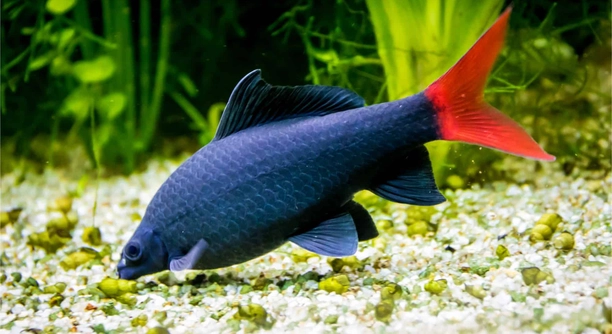
Rainbow sharks are popular aquarium fish known for their striking colors and peaceful nature. Many people keep them as pets but may not fully understand their behaviors. Learning about these fish helps create a better environment for them.
Rainbow sharks display territorial behavior, especially in confined spaces. They are mostly peaceful but can become aggressive when defending their area. These fish are active swimmers, preferring hiding spots and moderate water flow to thrive.
Knowing these key behaviors will help you care for your rainbow shark more effectively and enjoy watching its unique personality in your tank.
Territorial Behavior and Tank Setup
Rainbow sharks are naturally territorial fish. In the wild, they roam large areas, but in home aquariums, space is limited. This can cause them to become aggressive toward other fish, especially those with similar shapes or colors. To reduce fighting, it is important to provide enough hiding places and visual barriers, like plants and rocks. A tank of at least 30 gallons is recommended for one rainbow shark to give it enough space. They prefer moderate water flow and a sandy or smooth substrate. Keeping the tank clean and stable in temperature also helps reduce stress. Observing their behavior regularly will help identify any signs of aggression early. If the shark is chasing tank mates often, rearranging decorations or increasing tank size may be necessary. Proper tank setup supports their natural instincts and keeps them calm.
Keeping your tank environment balanced is essential for a peaceful community.
Understanding these factors helps maintain harmony among your aquarium fish and protects your rainbow shark’s well-being.
Feeding and Diet
Rainbow sharks are omnivores and need a balanced diet to stay healthy. Their meals should include both plant matter and protein sources. In the aquarium, they accept flake foods, pellets, and frozen or live foods like bloodworms and brine shrimp. Feeding small amounts twice daily is ideal to prevent overfeeding and water pollution. They also appreciate occasional vegetables like blanched spinach or peas. Providing variety helps meet their nutritional needs and keeps them interested in food. It is important not to leave uneaten food in the tank for long, as this can harm water quality. Observing their eating habits helps adjust feeding amounts and food types. A proper diet supports their vibrant colors and energy levels, contributing to a longer lifespan.
Feeding well supports your rainbow shark’s health and appearance over time.
Knowing what to feed and how much ensures your fish thrives in its environment.
Social Behavior
Rainbow sharks can be territorial but sometimes tolerate other fish if the tank is large enough. They usually keep to themselves and avoid constant interaction with tank mates. Their activity level is moderate, often swimming near the bottom.
In community tanks, they may chase smaller or slower fish but rarely cause serious harm if space is sufficient. Aggression often arises when competing for hiding spots or food. Providing multiple hiding places can reduce conflicts. It is best to avoid keeping more than one rainbow shark in the same tank unless it is very large. Observing their behavior closely helps prevent stress and injury among all fish. They can coexist peacefully with non-aggressive species that occupy different tank levels.
Rainbow sharks are generally solitary but benefit from well-planned tank communities to reduce stress.
Activity Patterns
Rainbow sharks are most active during the day, especially in the morning and late afternoon. They rest during the night, often hiding among plants or decorations. This diurnal pattern reflects their natural habits in the wild.
Their swimming is steady and purposeful, usually near the bottom or mid-level of the tank. They explore their environment, using hiding spots to feel secure. Excessive hiding or lethargy may indicate stress or illness, while constant chasing can suggest overcrowding. Providing a stable routine with consistent lighting helps maintain healthy activity levels. Adjusting feeding times to match their active periods encourages natural behavior and better appetite.
Recognizing their activity rhythms helps in creating a suitable environment that promotes comfort and health.
Breeding Behavior
Rainbow sharks are known to be challenging to breed in captivity. They require specific conditions, such as clean, well-maintained water and plenty of space. Males often display more vibrant colors during breeding periods.
Breeding pairs may show increased aggression toward other fish. Providing separate breeding tanks can improve success rates.
Stress Signs
When stressed, rainbow sharks may hide excessively or lose their bright coloration. They might also become lethargic or refuse food. Stress can result from poor water quality, overcrowding, or sudden changes in environment.
Maintaining stable tank conditions reduces these risks.
Tank Mates
Suitable tank mates include peaceful species that occupy different tank levels. Avoid aggressive or very small fish that may provoke territorial behavior. Compatible companions help create a balanced aquarium.
Water Conditions
Rainbow sharks prefer temperatures between 72°F and 79°F and slightly acidic to neutral pH. Stable water parameters support their health and activity. Regular monitoring is important to avoid sudden changes that stress the fish.
How big do rainbow sharks grow?
Rainbow sharks typically grow to about 6 inches (15 cm) in length. In a well-maintained tank with proper care, they can reach this size within a year. Their growth depends on factors such as diet, tank size, and water quality. Smaller tanks can stunt their growth or cause health problems.
Are rainbow sharks aggressive?
Rainbow sharks can be territorial and show aggression, especially toward similar-shaped or colored fish. This behavior increases in smaller tanks or overcrowded conditions. However, they usually do not attack larger, non-threatening fish. Providing enough space and hiding places reduces aggressive interactions.
Can rainbow sharks live with other fish?
Yes, rainbow sharks can live with other fish if the tank is large enough and the tank mates are peaceful. They do best with species that swim at different levels in the tank. Avoid very small or slow-moving fish that may be chased or stressed.
What do rainbow sharks eat?
Rainbow sharks are omnivores and eat a mix of protein and plant-based foods. Their diet can include high-quality flakes, pellets, frozen bloodworms, brine shrimp, and blanched vegetables like spinach or peas. Feeding them twice a day in small amounts helps maintain water quality and fish health.
How often should I feed my rainbow shark?
Feeding twice daily with small portions is ideal. Overfeeding can cause water pollution and health issues. Watch to see if the fish finishes its food in a few minutes. Remove any uneaten food to keep the tank clean.
Do rainbow sharks need special water conditions?
Rainbow sharks prefer water temperatures between 72°F and 79°F (22°C to 26°C) and a pH near neutral (6.5 to 7.5). Stable water parameters are important. Regular water testing and partial water changes help maintain good water quality.
Why is my rainbow shark hiding so much?
Excessive hiding may be a sign of stress, illness, or poor tank conditions. It can also indicate aggression from other fish or insufficient hiding spots. Check water quality, tank mates, and tank setup to find the cause.
How can I reduce aggression in my tank?
To reduce aggression, provide a larger tank with plenty of hiding places and decorations to break sight lines. Avoid keeping multiple rainbow sharks together unless the tank is very large. Introducing peaceful tank mates also helps.
Can rainbow sharks live alone?
Yes, rainbow sharks can live alone and often do better this way in smaller tanks. They enjoy having enough space and places to explore. A single rainbow shark may be less stressed and show more natural behavior.
How long do rainbow sharks live?
With proper care, rainbow sharks can live 5 to 8 years in captivity. Maintaining clean water, good diet, and stable tank conditions supports a longer, healthier life.
What tank size is recommended for a rainbow shark?
A minimum tank size of 30 gallons is recommended for one rainbow shark. Larger tanks help reduce territorial behavior and provide room for tank mates. Bigger tanks improve water stability and fish health.
Are rainbow sharks good for beginner fishkeepers?
Rainbow sharks require more attention than some beginner fish because of their territorial behavior and water quality needs. They can be kept by beginners willing to learn about proper tank setup and maintenance.
Do rainbow sharks need filtration and aeration?
Yes, a good filter and moderate water flow are important for rainbow sharks. They prefer clean, oxygen-rich water with some current. Proper filtration helps maintain water quality and reduces stress.
Can rainbow sharks jump out of the tank?
Rainbow sharks can jump if startled or stressed. Keeping a secure lid on the tank prevents escapes and injuries.
How do I know if my rainbow shark is healthy?
A healthy rainbow shark is active, shows vibrant colors, eats regularly, and swims steadily. Watch for signs like clamped fins, discoloration, or unusual behavior, which may indicate illness.
These answers cover common questions about rainbow shark behavior and care. Understanding these points will help maintain a healthy and balanced aquarium environment.
Rainbow sharks are unique and interesting fish to keep in an aquarium. Their bright colors and active behavior make them a popular choice for many fish owners. Understanding their natural behaviors, such as territoriality and feeding habits, helps provide better care. By learning about their needs, including proper tank size, water conditions, and diet, you can create a healthy environment for your rainbow shark to thrive. It is important to remember that these fish need space and hiding spots to feel safe and reduce stress.
Taking time to observe your rainbow shark regularly will give insight into its health and mood. Changes in behavior, such as excessive hiding or aggression, often indicate problems that should be addressed quickly. Keeping the tank clean and stable supports their wellbeing and prevents illnesses. Feeding a balanced diet with varied food keeps them active and colorful. Avoiding overcrowding and choosing peaceful tank mates will make the aquarium a more peaceful place for all fish. These steps together ensure that your rainbow shark lives a long, healthy life.
In summary, caring for a rainbow shark requires attention to several important factors. Tank size, water quality, diet, and social environment all play key roles in their behavior and health. Being patient and consistent with care routines will help you avoid common issues. While they may sometimes display territorial behavior, they can live peacefully in a well-maintained tank. Keeping these points in mind helps you enjoy watching your rainbow shark’s natural personality and vibrant appearance. Proper care creates a rewarding experience for both the fish and the keeper.

Hello,
If you enjoy the content that we create, please consider saying a "Thank You!" by leaving a tip.
Every little bit helps us continue crafting quality advice that supports the health, happiness, and well-being of pets around the world, for pets of all shapes, sizes, and species.
We really appreciate the kindness and support that you show us!