
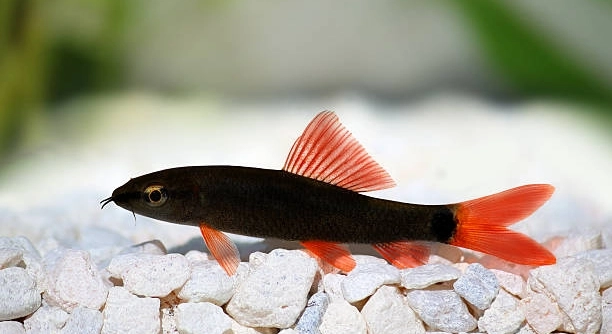
Are your rainbow sharks acting more aggressive than you expected, causing stress for your other fish and disrupting the tank’s harmony?
Rainbow shark aggression is most often linked to territorial behavior, especially in confined spaces. This species tends to claim certain areas of the aquarium and may chase or nip at any fish that enters its space, particularly those with similar body shapes or colors.
Understanding why rainbow sharks behave this way can help you create a safer, more peaceful environment for all your fish.
Why Rainbow Sharks Get Aggressive
Rainbow sharks are naturally territorial. In a small tank, they feel the need to defend their space, which leads to chasing and nipping at other fish. This behavior often gets worse as they mature. Their sleek, shark-like appearance makes them seem calm at first, but they prefer being the only bottom-dweller. When other fish come too close to their favorite hiding spots, rainbow sharks react defensively. This can stress out tank mates, even if there’s no physical damage. Rainbow sharks do better in tanks that have plenty of hiding spaces and a layout that breaks up direct lines of sight. This makes them feel more secure and helps prevent aggressive outbursts. They also prefer tanks that are at least 55 gallons in size. A small tank will make them feel cornered, and that’s when problems begin. Their behavior isn’t random—it’s triggered by space, layout, and fish selection.
Rainbow sharks are most aggressive toward fish that look or behave like them. This includes other bottom-dwellers or long-bodied fish.
Try to house them with mid or top-level swimmers that don’t have similar shapes or colors. Avoid putting two rainbow sharks in the same tank unless it’s very large, with plenty of hiding spots and separate territories.
When rainbow sharks feel secure, they are much calmer. Start by designing the tank carefully. Add caves, plants, and décor that help break up sightlines. Choose peaceful tank mates that swim in different areas and don’t resemble the shark. Barbs, rasboras, and rainbowfish are usually a good match. Avoid fish that might provoke the shark or compete for space near the bottom. Feeding is another factor—spread out food across the tank so your shark doesn’t become aggressive over meals. Monitor the shark’s behavior after introducing new tank mates. If aggression increases, you may need to rearrange the tank or rehome one of the fish. Pay attention to body language, such as chasing or fin nipping. Early signs give you a chance to correct the issue before it becomes serious. Rainbow sharks can be part of a peaceful tank setup if you plan ahead and give them what they need.
How Tank Setup Affects Behavior
A cramped tank with poor layout will almost always cause problems. Rainbow sharks need their own space to feel comfortable.
Choose a tank that’s at least 55 gallons and focus on horizontal swimming room. Use decorations like rocks, caves, and driftwood to create breaks in sightlines. This makes it easier for the shark to feel like it has its own territory. Plants—real or artificial—also help make the tank feel less exposed. Spacing these elements evenly keeps other fish from crowding into one area. Avoid sharp decorations since rainbow sharks are active swimmers and can injure themselves. Lighting can play a role too—dim lighting often helps calm territorial behavior. Water quality matters just as much. Keep the temperature between 75°F and 80°F, and maintain a stable pH between 6.5 and 7.5. Weekly water changes and a good filter keep the tank clean and reduce stress. The more stable the environment, the more relaxed your shark will be. Proper setup prevents many behavior problems from ever starting.
Signs of Aggression to Watch For
Chasing, fin nipping, and sudden darting around the tank are all common signs of aggression. If other fish begin hiding more or show torn fins, your rainbow shark may be the cause. Watch their behavior closely after any tank changes.
Aggressive rainbow sharks often guard certain areas of the tank, especially caves or corners. They may charge at fish that swim nearby, even without physical contact. This repeated territorial behavior can cause long-term stress for tank mates. Some sharks also flare their fins or change their swimming pattern when feeling threatened or dominant. These signs usually increase after feeding time or when the lights come on. If your fish begin avoiding open spaces or staying near the top, they might be reacting to the shark’s behavior. Subtle signs like poor appetite or sluggish movement in other fish can also point to ongoing bullying or stress.
Territorial aggression can sometimes lead to physical harm. If you see ripped fins, faded colors, or open wounds, it’s a sign the aggression is getting worse. At that point, action is needed. Start by rearranging the tank to remove established territories. Add more hiding spaces and consider a divider if needed. If nothing works, rehoming one of the fish may be the best option. Always address signs early—stress and injuries can lead to disease or death if left unchecked. Keep a regular eye on the tank dynamics, especially after adding new fish or changing decorations. A peaceful tank comes down to careful observation and early intervention.
When Aggression Becomes a Serious Problem
Long-term aggression causes more than just stress—it can lead to infections, stunted growth, and even death in smaller or weaker tank mates. A peaceful tank setup becomes harder to maintain the longer this behavior continues.
Once aggressive habits are deeply set, they can be hard to reverse. If your rainbow shark constantly harasses other fish even after tank adjustments, it may not be suited for a community setup. Frequent chasing, cornering, and fin damage are signs the situation has escalated. Separate the shark temporarily to see if tensions ease. You can also try introducing tank mates during feeding time to shift focus. Another option is to increase decorations to break sightlines further. But if none of these changes help, permanent separation may be the only choice. Not all rainbow sharks adapt well to tank mates. Some simply do better in a solo setup. It’s about choosing what works best for the health and safety of all your fish.
Best Tank Mates for Rainbow Sharks
Pick fish that swim in the middle or top of the tank and are fast enough to avoid trouble. Barbs, danios, and rasboras are usually good choices. Avoid slow or long-finned fish that may get targeted.
Stay away from bottom-dwellers like loaches and catfish, especially those with similar body shapes. These can trigger territorial behavior. Choose fish with different colors and sizes to help reduce competition and confusion.
Feeding Habits That Can Help Reduce Aggression
Feed your rainbow shark at the same time each day to create a steady routine. Spread the food around the tank to prevent one area from becoming a feeding zone the shark tries to guard. A balanced diet that includes sinking pellets, algae wafers, and some protein-rich foods like bloodworms will keep them full and satisfied. Hungry sharks are more likely to chase others. Remove uneaten food to avoid water quality issues. If needed, use feeding tools or target feeding to make sure everyone gets their share. Reducing competition at feeding time helps lower overall tension in the tank.
Age and Maturity Play a Role
Young rainbow sharks are usually less aggressive than adults. As they grow, their territorial instincts become stronger, especially in smaller tanks or crowded setups.
Best Tank Mates for Rainbow Sharks
Pick fish that swim in the middle or top of the tank and are fast enough to avoid trouble. Barbs, danios, and rasboras are usually good choices. Avoid slow or long-finned fish that may get targeted.
Stay away from bottom-dwellers like loaches and catfish, especially those with similar body shapes. These can trigger territorial behavior. Choose fish with different colors and sizes to help reduce competition and confusion.
Feeding Habits That Can Help Reduce Aggression
Feed your rainbow shark at the same time each day to create a steady routine. Spread the food around the tank to prevent one area from becoming a feeding zone the shark tries to guard. A balanced diet that includes sinking pellets, algae wafers, and some protein-rich foods like bloodworms will keep them full and satisfied. Hungry sharks are more likely to chase others. Remove uneaten food to avoid water quality issues. If needed, use feeding tools or target feeding to make sure everyone gets their share. Reducing competition at feeding time helps lower overall tension in the tank.
Age and Maturity Play a Role
Young rainbow sharks are usually less aggressive than adults. As they grow, their territorial instincts become stronger, especially in smaller tanks or crowded setups.
Final Thoughts
Rainbow sharks can be a beautiful and interesting addition to a freshwater tank, but they are not the best choice for every setup. Their aggressive behavior is not always predictable and often gets worse as they grow older. While they are not naturally mean, they are very territorial and protective of their space. This can create problems if the tank is too small, overcrowded, or has other fish that act or look like them. A peaceful tank requires planning, patience, and regular monitoring. If aggression becomes a regular problem, it’s usually a sign that something in the tank environment needs to change.
Choosing the right tank mates and providing a large, well-decorated tank can reduce a lot of the stress that causes aggressive behavior. Giving your rainbow shark a space it can claim without being challenged helps it feel safe. Feeding routines, hiding spots, and separate swimming areas all play a part in keeping things calm. Not every rainbow shark will act the same, and some may never get along with tank mates, no matter what adjustments you make. It’s important to be prepared for that possibility. In some cases, the shark may need to be housed alone or with fast-moving, top-level fish that won’t trigger its territorial side.
Caring for a rainbow shark comes down to understanding its needs and behaviors. Aggression is not always a failure in care—it’s often just a sign that your fish is acting on instinct. By observing your shark closely and making thoughtful changes to the tank, you can often find a setup that works for everyone. But it’s also okay to admit when a certain combination of fish isn’t working. Fish keeping should be rewarding for both you and the animals you care for. When you focus on creating a balanced, safe space, your rainbow shark can thrive without harming others. Keeping an eye on behavior, acting early when things seem off, and making small changes when needed will go a long way. Every tank is different, but with the right approach, you can manage rainbow shark aggression and build a healthy, stable aquarium.

Hello,
If you enjoy the content that we create, please consider saying a "Thank You!" by leaving a tip.
Every little bit helps us continue crafting quality advice that supports the health, happiness, and well-being of pets around the world, for pets of all shapes, sizes, and species.
We really appreciate the kindness and support that you show us!