
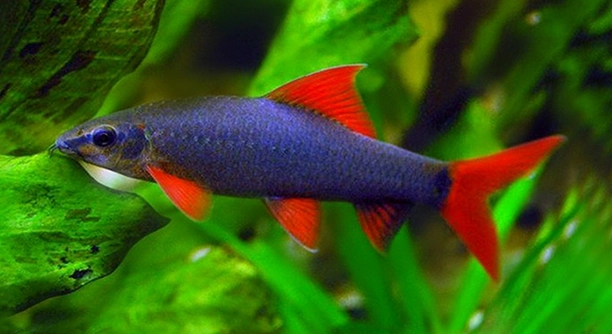
Rainbow sharks are popular freshwater fish loved for their bright colors and active nature. Keeping them safe and comfortable in your aquarium is important for their health and happiness. Many owners want to know how to create a secure environment for these lively fish.
To make your rainbow shark feel safe, you should provide plenty of hiding spots, maintain stable water conditions, avoid overcrowding, use gentle lighting, keep a consistent feeding schedule, minimize sudden movements, and monitor tank mates for compatibility. These steps reduce stress and promote well-being.
Following these simple guidelines will help your rainbow shark thrive in its home. Creating a safe space benefits both the fish and your enjoyment of watching them.
Provide Plenty of Hiding Spots
Rainbow sharks feel safer when they have places to hide and rest. Adding decorations like caves, plants, and driftwood creates cozy spaces where they can retreat when stressed or tired. These hiding spots help reduce aggression from other fish and give the shark a sense of security. Natural materials work best since they mimic the fish’s habitat. Avoid overcrowding the tank with too many decorations, but make sure there are enough spots spread out evenly. Having a mix of open swimming areas and hiding places balances comfort and activity. Changing the layout occasionally can also keep the environment interesting and less stressful. When your rainbow shark has a place to feel safe, it will show healthier behavior and color.
Hiding spots also reduce stress hormones, which can improve your fish’s immune system and overall health.
Creating this environment is an easy way to support your rainbow shark’s well-being and make your aquarium more natural-looking and enjoyable to watch.
Maintain Stable Water Conditions
Stable water temperature and chemistry are essential for rainbow sharks. These fish prefer a temperature between 74°F and 80°F and a pH level near neutral. Sudden changes can cause stress, illness, or worse. Regular water testing and partial water changes keep conditions balanced. Avoid using harsh chemicals or soaps when cleaning the tank, as residue can harm the fish. Consistency is key, so invest in a reliable heater and filter to maintain the right environment. Monitoring ammonia and nitrite levels is important since these can build up quickly and poison your fish. Clean the tank and replace water regularly, but not all at once to avoid shocking your shark. Proper filtration and aeration also help keep oxygen levels stable. By keeping the water steady, your rainbow shark will feel secure and thrive longer.
Avoid Overcrowding the Tank
Too many fish in the tank cause stress and territorial fights. Rainbow sharks need space to swim freely and establish their own areas. Overcrowding leads to poor water quality and increases the risk of disease.
A tank that is too crowded limits your rainbow shark’s movement and raises aggression levels. These fish can become territorial, especially as they grow, so providing enough room helps reduce conflicts. Overcrowding also means more waste, which strains your filtration system and affects water quality. Regularly check your tank’s capacity and the number of fish to ensure a comfortable environment. If the tank feels too full, consider upgrading to a larger size or reducing the number of tank mates. Clear space and fewer fish support your rainbow shark’s health and peaceful behavior.
A balanced tank setup allows your rainbow shark to thrive without constant stress. Giving them enough room is a simple way to keep the aquarium stable and your fish happy.
Use Gentle Lighting
Bright or flashing lights can frighten rainbow sharks and cause hiding or erratic swimming. Soft, consistent lighting helps them feel calm and secure. Avoid direct sunlight or strong aquarium lights that disturb their natural rhythm.
Proper lighting mimics their natural habitat and supports regular activity. Using dimmable or adjustable lights allows you to control the intensity and duration. Too much light stresses the fish and encourages algae growth, which can make the tank less pleasant. Maintaining a day-night cycle with a timer keeps your rainbow shark’s environment stable. Gentle lighting also enhances their colors without overwhelming them. Monitoring how your fish react to the light helps you find the best setting. Adjust lights gradually to avoid shocking them, especially when changing bulbs or adding new fixtures. Keeping the lighting calm supports your rainbow shark’s health and comfort.
Keep a Consistent Feeding Schedule
Rainbow sharks respond well to routine feeding times. Feeding them at the same times each day helps reduce stress and prevents overfeeding. Avoid sudden changes in diet or feeding amounts to keep their digestion steady.
Regular feeding supports their metabolism and helps maintain water quality by reducing leftover food.
Minimize Sudden Movements
Sudden movements near the tank can startle rainbow sharks, causing stress. Moving calmly and slowly around the aquarium helps keep them relaxed and comfortable. Avoid tapping on the glass or sudden loud noises that disrupt their peace.
Consistent, gentle behavior around the tank builds trust and reduces unnecessary stress.
Monitor Tank Mates for Compatibility
Choosing compatible tank mates is crucial. Rainbow sharks can be aggressive toward smaller or slow-moving fish. Avoid overcrowding with aggressive species that may stress or injure your shark.
Careful selection and observation of other fish ensure a peaceful environment and help your rainbow shark feel safe.
FAQ
How often should I feed my rainbow shark?
Feeding your rainbow shark once or twice a day is enough. They don’t need large amounts of food at once. Small portions help prevent leftover food, which can pollute the tank. Stick to a regular schedule so your fish knows when to expect meals. Overfeeding can cause health problems and water quality issues.
What type of food is best for rainbow sharks?
Rainbow sharks are omnivores, so a mix of high-quality flakes, pellets, and occasional live or frozen foods works well. Vegetables like blanched zucchini or spinach are good additions. A varied diet keeps them healthy and active.
Can rainbow sharks live with other fish?
Yes, but tank mates must be chosen carefully. Peaceful fish of similar size, like certain tetras or barbs, usually do well. Avoid small, slow-moving, or very shy fish, as rainbow sharks may be aggressive toward them. Always monitor interactions and separate fish if fighting starts.
What size tank is ideal for a rainbow shark?
A minimum of 30 gallons is recommended for one rainbow shark. They grow up to 6 inches and need room to swim and establish territory. Larger tanks are better if you plan to keep multiple fish or other species together.
How do I know if my rainbow shark is stressed?
Signs of stress include hiding too much, erratic swimming, loss of color, or lack of appetite. Stress often results from poor water quality, aggressive tank mates, or sudden changes in environment. Addressing these factors quickly helps your fish recover.
How often should I change the water?
Partial water changes of about 25% every week keep the tank clean and the water parameters stable. Regular changes reduce harmful chemicals and waste buildup, supporting your rainbow shark’s health. Avoid changing too much water at once to prevent shocking the fish.
What water temperature do rainbow sharks prefer?
Keep the tank temperature between 74°F and 80°F. Using a heater with a thermostat helps maintain a steady temperature. Sudden drops or spikes in temperature cause stress and increase the risk of illness.
Are rainbow sharks aggressive?
They can be territorial and sometimes aggressive, especially in small tanks or if overcrowded. Providing enough space, hiding spots, and compatible tank mates helps reduce aggression. Observing your fish regularly allows you to catch problems early.
Can I keep more than one rainbow shark together?
Yes, but only in large tanks with enough space and hiding spots. In smaller tanks, they may fight or become stressed. Multiple rainbow sharks need careful monitoring to ensure peaceful coexistence.
What should I do if my rainbow shark is sick?
Quarantine the sick fish if possible to avoid spreading disease. Check water quality immediately and adjust if needed. Consult with a vet or aquarium specialist for proper diagnosis and treatment. Early action improves the chance of recovery.
These answers cover common concerns to help your rainbow shark feel safe and healthy in your care.
Taking care of a rainbow shark means understanding its needs and creating a safe, comfortable home. These fish thrive best in tanks that provide enough space, hiding spots, and stable water conditions. Paying attention to these basic needs helps reduce stress and keeps your rainbow shark healthy. A calm environment with gentle lighting and compatible tank mates also plays a big role in their well-being. When these factors are in place, your fish will show brighter colors and natural behavior, which makes watching them more enjoyable.
Feeding your rainbow shark regularly with a balanced diet is another important part of care. Overfeeding or irregular feeding times can cause health problems and affect water quality. Keeping a consistent feeding schedule helps maintain good digestion and keeps the tank cleaner. It’s also important to observe your fish daily. Watching how your rainbow shark swims and interacts with the tank can tell you if something is wrong early on. Signs like hiding too much, loss of color, or erratic movements might mean stress or illness, so acting quickly is key.
Overall, creating a safe space for your rainbow shark takes some effort but is rewarding. Simple steps like providing enough room, hiding places, and gentle lighting make a big difference. Maintaining clean, stable water and choosing the right tank mates also support their health. By paying attention to your rainbow shark’s environment and needs, you help ensure it lives a longer, happier life. Taking these steps is the best way to enjoy having a beautiful and active fish in your aquarium.

Hello,
If you enjoy the content that we create, please consider saying a "Thank You!" by leaving a tip.
Every little bit helps us continue crafting quality advice that supports the health, happiness, and well-being of pets around the world, for pets of all shapes, sizes, and species.
We really appreciate the kindness and support that you show us!