
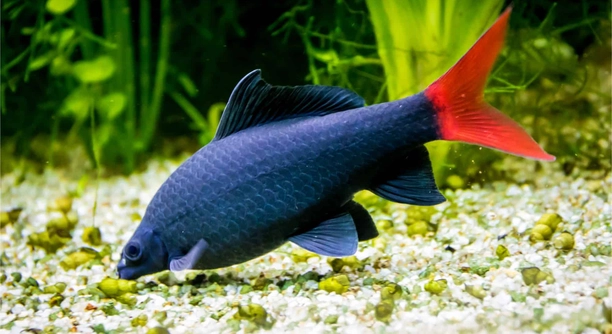
Is your rainbow shark showing signs of stress or discomfort in its tank, leaving you unsure about what changes to make?
Improving your rainbow shark’s tank begins with water quality, hiding spots, and swimming space. A well-balanced environment reduces aggression, supports health, and encourages natural behavior. Careful tank management ensures your rainbow shark thrives in a peaceful setting.
Creating the right setup involves more than just decoration—it’s about understanding what helps your rainbow shark feel safe, active, and healthy.
Keep the Water Clean and Stable
Rainbow sharks are sensitive to poor water quality, so regular maintenance is essential. Use a reliable water test kit to monitor pH, ammonia, nitrite, and nitrate levels weekly. Aim to keep the pH between 6.5 and 7.5. Perform partial water changes—about 25%—every week to remove waste and maintain stable conditions. Always dechlorinate tap water before adding it to the tank. A good filter that suits your tank size is also important to keep the water clear and oxygen-rich. Uneven temperatures or sudden changes can stress your shark, so install a dependable heater and thermometer to keep the temperature between 75°F and 81°F.
Stable conditions help prevent illness and aggression. Clean water with steady parameters keeps your rainbow shark calm and active.
Keeping the water balanced also means avoiding overfeeding. Leftover food breaks down quickly, creating waste that alters water chemistry. Feed your shark sparingly—once a day in small amounts they can eat within two minutes.
Provide Plenty of Hiding Spots
Hiding spots reduce stress in rainbow sharks. Use rocks, driftwood, and caves to create secure areas along the bottom of the tank.
A rainbow shark becomes territorial as it matures, especially if the tank is too open. Without hiding places, it may feel threatened and act aggressively. Including caves, hollow logs, or tunnel-like decorations helps the shark feel secure while also giving it places to rest. Position these structures along the bottom where they like to stay. Plants—real or artificial—can also create natural barriers and soften lines of sight between different parts of the tank. These additions reduce visual stress and allow the shark to feel like it has control over its space. A tank with hiding areas supports more natural behavior and helps maintain a calm environment.
Choose the Right Tank Size
A rainbow shark needs at least a 55-gallon tank to swim comfortably and reduce territorial behavior. Smaller tanks lead to stress and aggression, especially as the shark grows.
Rainbow sharks are active bottom dwellers that need space to explore. In a tank that’s too small, they may chase other fish or hide constantly due to stress. A larger tank gives them room to move and helps with water stability. Length is more important than height, as they swim horizontally along the bottom. Make sure to keep tankmates to a minimum, especially in smaller setups. The more crowded the tank, the more likely it is that your shark will become aggressive or anxious. A proper tank size creates a peaceful environment, helping them stay healthy and less defensive.
Tank upgrades may seem like a hassle, but they’re worth it in the long run. A larger space means better water conditions, less aggression, and a healthier fish.
Avoid Keeping Them with the Wrong Tankmates
Rainbow sharks can be aggressive, especially toward similar-looking or bottom-dwelling fish. Avoid housing them with red-tailed sharks, bala sharks, or small fish like guppies or neon tetras. Choose tankmates that stay in other areas of the tank.
Tankmate compatibility plays a big role in the shark’s behavior. Fish that occupy the top or middle of the tank—like barbs, danios, or larger tetras—can often coexist peacefully with rainbow sharks. Avoid slow swimmers, long-finned species, or anything timid, as they may become targets. Also, never add other rainbow sharks unless the tank is very large and divided with plenty of hiding spots. It’s best to introduce your rainbow shark last so it doesn’t claim the entire tank as its territory. Watch closely for signs of aggression when adding new fish. If chased or nipped, remove the fish to prevent injury. A calm mix of species keeps things peaceful and helps reduce stress for everyone.
Use Soft Lighting and a Calm Setup
Bright lights can stress rainbow sharks, especially in open tanks. Use dim or adjustable lighting to mimic a calm, natural setting. Adding floating plants can also help soften the light and create shaded areas.
Keep decorations simple and avoid constant rearranging. Rainbow sharks feel more secure in stable environments. Too many changes can make them defensive or withdrawn.
Maintain a Consistent Feeding Schedule
Feeding your rainbow shark once a day at the same time helps reduce stress and supports healthy digestion. Stick to high-quality sinking pellets or wafers designed for bottom feeders. Occasionally offer protein-rich treats like brine shrimp or bloodworms. Overfeeding leads to water quality problems and sluggish behavior. Monitor how much they eat—whatever isn’t eaten in two minutes should be removed. Avoid feeding them floating flakes or surface foods, as rainbow sharks prefer to eat near the bottom. A routine feeding habit encourages better health and more active behavior while also preventing tank mess and digestive issues.
Limit Loud Noises and Vibrations
Avoid placing the tank near speakers, slamming doors, or high-traffic areas. Constant noise or vibration can make rainbow sharks skittish, leading to erratic swimming or hiding.
FAQ
How often should I clean my rainbow shark’s tank?
Clean the tank weekly by removing 20–30% of the water and vacuuming the gravel. This helps control waste buildup and keeps water parameters stable. Avoid deep cleaning everything at once, as this can remove beneficial bacteria that support your shark’s health.
Can rainbow sharks live with other bottom dwellers?
It’s not recommended. Rainbow sharks are territorial and often chase or fight with other bottom dwellers like catfish or loaches. Even if they seem peaceful at first, behavior can change as the shark matures. Keeping them as the only bottom dweller helps reduce stress and conflict.
What size should my rainbow shark be before introducing it to a community tank?
Wait until the shark is about 3 inches long and the tank is fully cycled. This gives the fish enough strength to adapt and compete for food without being overwhelmed. Always monitor interactions with other fish during the first few days.
Why is my rainbow shark hiding all the time?
Constant hiding can mean stress, poor water quality, or a lack of hiding spots. Check the water parameters first. Then, add more caves or plants to give the shark safe places to rest. Also, observe tankmates—aggressive fish might be intimidating your shark.
What should I feed my rainbow shark?
Feed high-quality sinking pellets made for omnivores or bottom-feeders. You can also offer blanched vegetables like zucchini or spinach, along with occasional frozen treats like bloodworms. Keep portions small—feed once a day, only what they can eat in two minutes.
How long do rainbow sharks live?
With good care, rainbow sharks can live between 5 and 8 years. Clean water, the right tank size, and a balanced diet are the most important factors for their long-term health. Regular observation helps catch issues early before they become serious.
Do rainbow sharks get lonely?
No, rainbow sharks do not need companions of their own kind. In fact, keeping multiple rainbow sharks in one tank often leads to fighting. They are solitary by nature and do well on their own, as long as the tank is properly set up.
Can I keep plants in a tank with a rainbow shark?
Yes, rainbow sharks generally do well with plants. Live or artificial plants help reduce stress by offering cover and breaking up open spaces. Just make sure the plants don’t take up too much swimming room at the bottom of the tank.
Why is my rainbow shark chasing other fish?
Chasing is usually a sign of territorial behavior. It may mean the tank is too small or doesn’t have enough hiding spots. Consider adding barriers like plants or decorations to break up the space and reduce tension between fish.
Is it okay to keep more than one rainbow shark in a tank?
Only in very large tanks—at least 125 gallons—with many hiding places and visual barriers. Even then, aggression is still a risk. For most people, keeping one rainbow shark is the best way to avoid stress and injuries among tankmates.
Final Thoughts
Caring for a rainbow shark takes patience, consistency, and attention to detail. These fish are beautiful and active but also require specific conditions to stay healthy and peaceful. A large tank, clean water, and proper hiding spaces are the most important parts of their setup. If these basics are not met, rainbow sharks can become aggressive, stressed, or sick. Paying attention to their behavior, keeping track of water parameters, and providing a stable environment will make a big difference in their overall well-being.
Rainbow sharks are not ideal for beginners, but with the right care, they can be rewarding to keep. Once the tank is set up correctly, daily care becomes much easier. Feeding them a balanced diet and sticking to a consistent routine helps reduce stress and keeps them active. Choosing tankmates wisely also plays a big role. Not every fish can live peacefully with a rainbow shark, so planning the tank carefully from the start helps avoid future problems.
Every rainbow shark is a little different, and you may need to make small adjustments as they grow. Watching their behavior and making slow, careful changes will help you figure out what works best. Over time, you’ll start to recognize their patterns and preferences. A healthy rainbow shark is curious, alert, and active—so when those traits show, you’ll know your efforts are working. With steady care, they can be a unique and lively part of your aquarium for years to come.

Hello,
If you enjoy the content that we create, please consider saying a "Thank You!" by leaving a tip.
Every little bit helps us continue crafting quality advice that supports the health, happiness, and well-being of pets around the world, for pets of all shapes, sizes, and species.
We really appreciate the kindness and support that you show us!