
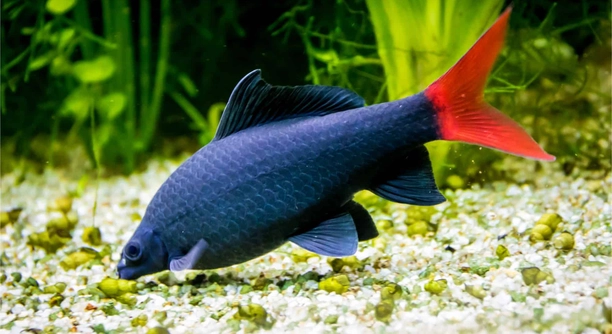
Rainbow sharks are popular aquarium fish known for their vibrant colors and active behavior. They require specific care to thrive in a home tank. Proper attention to their environment and diet is essential for their health and well-being.
Caring for a rainbow shark involves maintaining clean water with stable parameters, providing a balanced diet rich in protein, ensuring adequate tank space, and offering hiding spots to reduce stress. Regular monitoring and tank maintenance support their long-term health.
Following these key care steps will help your rainbow shark stay healthy and lively. Understanding their needs will make your aquarium a better home for them.
Creating the Right Environment
Maintaining a clean and stable environment is the foundation of caring for a rainbow shark. These fish thrive in water that is well-filtered and regularly changed. Keeping the temperature between 72 and 79 degrees Fahrenheit helps prevent stress. The pH should be neutral to slightly acidic, ideally between 6.5 and 7.5. The tank needs to be at least 30 gallons because rainbow sharks are active swimmers and require space to move. Gravel or sand substrate works best, along with plenty of hiding spots like plants, rocks, or caves. This setup helps your rainbow shark feel secure. Regular testing of water parameters and partial water changes at least once a week keep harmful toxins at bay. This careful attention to their living conditions reduces illness and supports natural behavior.
Rainbow sharks need plenty of space and hiding spots for comfort and stress reduction.
Proper tank setup not only protects your fish physically but also encourages natural swimming and feeding habits. Stress-free fish are less prone to disease. Adding live plants or decorations creates a more stimulating environment. Avoid overcrowding because rainbow sharks can become territorial, which may lead to aggression. Make sure the tank mates are peaceful and won’t compete aggressively for food or territory. Regular maintenance, like cleaning filters and monitoring water quality, keeps the environment healthy for your fish. These small steps help you create a space where your rainbow shark can thrive.
Feeding and Nutrition
Rainbow sharks require a diet rich in protein to stay healthy. Their diet should include high-quality pellets or flakes designed for carnivorous fish. Supplementing with live or frozen foods like bloodworms, brine shrimp, or daphnia provides variety and extra nutrients. Feeding should be done once or twice daily in small amounts to avoid overfeeding, which can cause water pollution. Be sure to remove any uneaten food promptly. A balanced diet supports their bright coloration and energy levels, contributing to their overall health.
Offering a varied diet ensures your rainbow shark receives all necessary nutrients.
It is important to avoid feeding only one type of food, as this can lead to deficiencies. Occasional vegetable matter, like blanched spinach or peas, can be introduced but should not replace protein sources. Monitor your fish during feeding to ensure all individuals receive food and adjust amounts as they grow. Consistency in feeding routines helps maintain water quality and fish health. Providing the right nutrition supports your rainbow shark’s immune system and longevity in your tank.
Tank Mates for Rainbow Sharks
Rainbow sharks can be territorial, so choosing the right tank mates is important. Avoid aggressive or very small fish that may be bullied or eaten. Peaceful, medium-sized fish are the best companions.
Suitable tank mates include danios, barbs, and certain types of catfish. These fish tend to occupy different areas of the tank, which reduces conflicts. Avoid other bottom dwellers that compete for the same space. It is also important to monitor their behavior regularly, especially when introducing new fish. Providing enough hiding places helps all fish coexist peacefully. Compatibility and tank size play a large role in keeping stress levels low for everyone.
Adding fish that swim at different levels in the tank allows your rainbow shark to feel less threatened. This separation minimizes chasing and aggressive displays. Proper tank size and decoration can also reduce territorial disputes. Avoid overcrowding to keep peace and water quality stable. Watching your fish closely after adding new companions ensures any problems are addressed quickly. This careful selection helps maintain a calm, healthy aquarium environment.
Regular Health Checks
Regular health checks help catch potential problems early. Look for changes in behavior, appetite, or appearance, such as spots, clamped fins, or unusual swimming patterns. These signs may indicate illness or stress.
If you notice any symptoms, isolate the affected fish to prevent spreading disease. Testing water parameters often can identify environmental issues affecting health. Keeping a quarantine tank ready is useful for new or sick fish. Prompt treatment, including water changes or medication, supports recovery. Maintaining a clean tank and stable conditions minimizes the risk of common diseases like ich or fin rot.
Routine observation allows you to act quickly and protect your rainbow shark’s well-being. Being proactive with health checks ensures a longer, healthier life for your fish. Keeping notes on behavior and appearance can help identify trends and make care adjustments when needed.
Lighting and Tank Setup
Rainbow sharks prefer moderate lighting that mimics their natural environment. Too much light can stress them out and cause hiding behavior. Adjust lighting to balance visibility and comfort.
Using a timer helps maintain a consistent day-night cycle. This regular schedule supports their natural rhythms and overall health.
Water Quality Maintenance
Regular water testing is essential to keep parameters stable. Ammonia, nitrite, and nitrate levels must be closely monitored to prevent toxic buildup. Changing 20-30% of the water weekly helps maintain cleanliness and water quality. Consistent maintenance keeps the fish healthy and active.
Avoid Overcrowding
Overcrowding increases stress and aggression among rainbow sharks. Provide enough space to reduce competition and territorial behavior. Proper stocking levels improve water quality and fish health.
Providing Hiding Spots
Hiding spots are important for rainbow sharks to feel secure. Use plants, rocks, or caves to create shaded areas. This helps reduce stress and aggressive encounters.
How big should the tank be for a rainbow shark?
Rainbow sharks need at least a 30-gallon tank to swim comfortably. They are active fish that require space to move around without feeling cramped. A larger tank also helps reduce aggression by giving them enough territory. If you plan to keep multiple rainbow sharks or other tank mates, consider a bigger tank to avoid overcrowding and stress. Proper tank size supports their physical health and natural behavior.
What water conditions do rainbow sharks prefer?
They thrive in water with temperatures between 72 and 79°F, a pH of 6.5 to 7.5, and soft to moderately hard water. Keeping these parameters stable is key to their health. Regular testing and water changes help maintain good water quality. Avoid sudden changes, as rainbow sharks can be sensitive to fluctuations. Using a reliable filter and performing weekly partial water changes keeps the environment clean and safe for them.
What should I feed a rainbow shark?
A balanced diet includes high-quality carnivore pellets or flakes, supplemented with live or frozen foods like bloodworms, brine shrimp, and daphnia. Feeding small amounts once or twice a day prevents overfeeding and keeps the water clean. Occasionally, you can add blanched vegetables like peas or spinach, but these should not replace protein sources. Observing their eating habits helps ensure they get enough nutrition without excess waste.
Are rainbow sharks aggressive toward other fish?
Rainbow sharks can be territorial, especially in smaller tanks or when space is limited. They may chase or nip at other bottom-dwelling fish or similar-sized species. Choosing peaceful, medium-sized tank mates that swim in different areas reduces conflicts. Providing plenty of hiding spots also helps minimize aggression. Monitoring interactions regularly is important to keep the tank peaceful.
Can rainbow sharks live with other fish?
Yes, but it depends on the tank size and the types of fish. Ideal tank mates are peaceful species that occupy different levels of the tank, such as danios, barbs, or some catfish. Avoid keeping multiple rainbow sharks together unless the tank is very large. Proper stocking levels and tank layout reduce territorial disputes and stress.
How often should I clean the tank?
Perform partial water changes of 20-30% weekly to keep the water clean and healthy. Clean or replace filter media as needed, usually every 3-4 weeks, but avoid removing all beneficial bacteria at once. Regularly remove uneaten food and debris to prevent water pollution. Consistent cleaning supports fish health and prevents disease.
What signs indicate my rainbow shark is sick?
Watch for changes in behavior like lethargy, loss of appetite, or unusual swimming patterns. Physical signs include faded colors, clamped fins, spots, sores, or bloating. Early detection is important to treat illnesses effectively. Isolate sick fish and check water quality, as poor conditions often cause health problems. Prompt action helps prevent the spread of disease.
How can I reduce stress for my rainbow shark?
Providing hiding spots, a proper tank size, and compatible tank mates lowers stress. Maintaining stable water conditions and a consistent light schedule supports their natural rhythms. Avoid sudden changes in the tank environment and handle the fish gently during maintenance. Stress reduction improves their immune system and overall well-being.
Do rainbow sharks require special lighting?
Moderate lighting that simulates their natural habitat works best. Bright, intense light can cause stress and encourage hiding. Using a timer to maintain a day-night cycle helps regulate their behavior. Including plants or decorations to create shaded areas gives them a place to retreat when needed.
Can rainbow sharks live long in home aquariums?
With proper care, rainbow sharks can live up to 5-8 years. Their lifespan depends on good water quality, nutrition, and a stress-free environment. Regular monitoring and maintenance increase their chances of a healthy, long life. Meeting their basic needs is essential to enjoy their vibrant colors and active behavior for years.
Caring for a rainbow shark requires consistent effort and attention to their specific needs. Their vibrant colors and active nature make them a popular choice for aquariums, but they do need the right environment to thrive. Ensuring the tank is large enough, maintaining stable water conditions, and providing a balanced diet are essential steps. When these basics are met, rainbow sharks tend to be healthy and display their natural behaviors, which can be enjoyable to watch.
Proper tank setup is also very important. Rainbow sharks are territorial fish, so giving them enough space and hiding places helps reduce stress and aggression. Choosing peaceful tank mates that swim at different levels can prevent conflicts. Regular maintenance such as water changes and cleaning the filter supports water quality, which directly impacts the fish’s health. It is easy to overlook small details, but these small actions have a big impact on the overall well-being of the fish.
Regular observation of the fish is crucial for early detection of any health issues. Paying attention to changes in behavior or appearance can help identify problems before they worsen. Prompt action, including isolating sick fish and checking water quality, supports recovery and prevents disease spread. With the right care routine, rainbow sharks can live long, healthy lives, making the effort worthwhile for anyone looking to add a lively and colorful fish to their aquarium.

Hello,
If you enjoy the content that we create, please consider saying a "Thank You!" by leaving a tip.
Every little bit helps us continue crafting quality advice that supports the health, happiness, and well-being of pets around the world, for pets of all shapes, sizes, and species.
We really appreciate the kindness and support that you show us!