
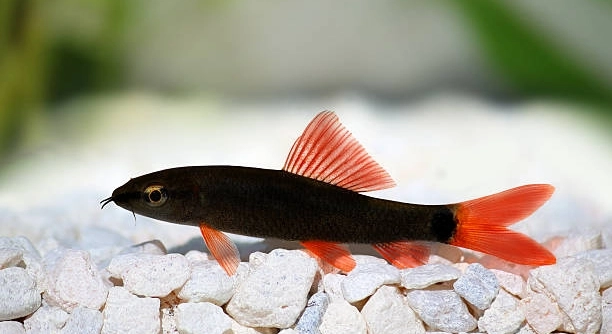
Is your rainbow shark swimming in a strange way lately? These fish usually glide smoothly, but changes in their movement can signal problems. Knowing what to do early can help keep your pet healthy and happy.
If your rainbow shark is swimming oddly, it may be due to poor water quality, stress, disease, or injury. Immediate actions include checking tank conditions, observing for signs of illness, and adjusting care to reduce stress. Prompt intervention is critical for recovery.
Recognizing the causes behind unusual swimming can protect your fish’s health. The following tips will help you manage and improve your rainbow shark’s condition effectively.
Check Water Quality Immediately
Poor water quality is a common reason for unusual swimming behavior in rainbow sharks. Test your tank water for ammonia, nitrite, nitrate, and pH levels as soon as you notice a change. High ammonia or nitrite levels can be toxic and cause your fish to swim erratically. Low oxygen levels or sudden temperature changes may also affect their movement. Clean the tank regularly and perform partial water changes to keep the environment stable. Using a reliable water test kit helps you monitor these important factors closely. Keeping water parameters within the ideal range is crucial for the health of your rainbow shark.
Maintaining clean water prevents stress and disease, which can both cause swimming issues. Always act quickly when you detect water problems.
If water quality issues persist, consider improving filtration or adding aeration. These steps increase oxygen levels and remove harmful waste. Avoid overcrowding your tank, as it can lead to poor water conditions. Remember, consistent water care protects your fish from many common problems that affect their swimming.
Look for Signs of Disease
Changes in swimming often indicate illness in rainbow sharks. Watch for symptoms such as clamped fins, spots, or unusual discoloration.
Diseases like ich, fin rot, or parasites can cause swimming difficulties. Ich appears as tiny white spots on the fish’s body, and fin rot causes torn or ragged fins. Parasites may cause scratching or flashing against surfaces. If you spot any of these signs, isolate the affected fish immediately to prevent spreading. Treating the disease with appropriate medication early can save your rainbow shark. Always follow dosage instructions carefully to avoid harming the fish or beneficial bacteria in the tank. Maintaining a healthy diet and good water quality supports recovery.
Regular observation helps catch illness early. Prompt treatment reduces stress and prevents serious damage. Taking action at the first sign of disease is the best way to protect your pet’s health and restore normal swimming.
Reduce Stress in the Tank
Stress can cause your rainbow shark to swim oddly. Common causes include overcrowding, sudden changes in the environment, or aggressive tank mates.
To reduce stress, keep the tank stable by avoiding sudden water changes or temperature shifts. Provide plenty of hiding spots using plants or decorations, so your fish feels secure. Make sure the tank is not overcrowded, as too many fish can cause constant chasing and anxiety. Also, observe how your rainbow shark interacts with other fish. If there is aggression, consider separating them. Stress weakens the immune system and makes your fish more prone to illness, so creating a calm environment is essential.
A peaceful tank with stable conditions helps your rainbow shark swim naturally. Regular observation will help you spot any new sources of stress early, keeping your fish healthier and more comfortable.
Provide a Balanced Diet
Feeding your rainbow shark a balanced diet supports its overall health and normal swimming behavior. Offer a mix of high-quality pellets, flakes, and occasional live or frozen foods like bloodworms or brine shrimp. Variety ensures your fish receives essential nutrients, including proteins, vitamins, and minerals needed for strong muscles and energy. Avoid overfeeding, as leftover food can pollute the tank and increase stress levels. Feed small amounts two to three times daily, only what your fish can consume quickly. Proper nutrition strengthens your fish’s immune system, making it better able to resist disease and swim properly. A healthy diet combined with good water quality and tank conditions promotes natural, smooth swimming patterns. Regularly adjusting food types and amounts according to your fish’s needs helps maintain its vitality and well-being.
Observe Swimming Patterns Closely
Watch your rainbow shark’s movements carefully to spot any irregular patterns. Note if it is swimming upside down, listless, or frequently bumping into objects.
Keep a daily log of its behavior to help identify changes over time. This can be useful if you need to consult a vet or aquarium expert.
Adjust Tank Environment
Make sure the tank has plenty of space for your rainbow shark to swim freely. Crowded tanks limit movement and cause stress. Add plants and hiding spots to reduce anxiety.
Ensure the water temperature is steady, ideally between 74°F and 80°F (23°C–27°C). Sudden temperature swings can cause erratic swimming. Maintaining these environmental factors helps your fish feel safe and swim naturally.
Treat Injuries Promptly
If your fish shows signs of injury like torn fins or bruises, treat them immediately to prevent infection. Clean water and gentle medication can help healing.
Avoid rough handling during cleaning or moving to reduce injury risk.
Consult a Specialist
If your rainbow shark’s swimming doesn’t improve despite your efforts, seek advice from an experienced aquarist or vet. They can offer diagnosis and treatment options tailored to your fish’s needs.
FAQ
Why is my rainbow shark swimming at the surface?
Rainbow sharks usually swim near the bottom, so if yours is at the surface, it might be a sign of low oxygen in the tank. Check your aeration and filtration system to ensure enough oxygen is circulating. Poor water quality or illness can also cause this behavior. Improving oxygen levels and maintaining clean water often helps the fish return to normal swimming patterns.
Can poor water temperature cause odd swimming?
Yes. Rainbow sharks prefer water temperatures between 74°F and 80°F (23°C to 27°C). Water that is too cold or too warm can stress them and cause strange swimming. Use a reliable heater and thermometer to keep the temperature steady. Sudden temperature changes can shock your fish and affect its movement.
How do I know if my rainbow shark has a disease?
Signs of disease include clamped fins, white spots, ragged fins, lethargy, and loss of appetite. Swimming oddly, such as twitching or floating abnormally, can also signal illness. If you see these signs, isolate your fish and begin treatment with the correct medication. Early diagnosis improves recovery chances.
Is overcrowding a problem for rainbow sharks?
Definitely. Rainbow sharks need enough space to swim and hide. Overcrowding increases stress and aggression, which can make your fish swim oddly or hide constantly. A tank of at least 30 gallons is recommended for one rainbow shark. Provide hiding places and avoid keeping too many fish together.
What should I feed a rainbow shark to keep it healthy?
A balanced diet including sinking pellets, flakes, and occasional live or frozen foods like bloodworms or brine shrimp is best. Avoid overfeeding because leftover food harms water quality. Feed small amounts two to three times a day. Good nutrition supports energy and healthy swimming.
Can tank decorations affect my rainbow shark’s swimming?
Yes, tank setup matters. Sharp or rough decorations can injure your fish, causing odd swimming as it tries to avoid pain. Too few hiding spots can increase stress. Use smooth decorations and plenty of plants or caves so your fish feels safe and moves naturally.
How often should I clean the tank to prevent swimming issues?
Partial water changes of about 20-25% weekly are ideal. Cleaning the filter regularly also keeps water quality high. Dirty water causes stress and illness, which often show through abnormal swimming. Keeping the tank clean is one of the simplest ways to maintain your rainbow shark’s health.
What if my rainbow shark is still swimming oddly after treatment?
If behavior doesn’t improve after fixing water quality and treating diseases, consult a vet or aquatic specialist. There could be hidden issues like internal parasites or injuries. Sometimes professional advice is needed to diagnose and treat complex problems effectively.
Can stress alone cause a rainbow shark to swim oddly?
Yes. Stress weakens the immune system and affects behavior. Causes include poor water conditions, aggressive tank mates, sudden changes, or overcrowding. Reducing stress by stabilizing the environment and ensuring peace helps your fish swim normally again.
Is it normal for rainbow sharks to occasionally swim upside down?
No, swimming upside down usually indicates a swim bladder problem or illness. Swim bladder disorders affect buoyancy and balance. If your fish swims upside down often, check water quality and consider veterinary help. Early treatment can improve the condition.
When your rainbow shark starts swimming oddly, it’s important to take action quickly. Many issues like poor water quality, stress, illness, or injury can cause changes in how your fish moves. By paying close attention to your tank’s environment and your fish’s behavior, you can often catch problems before they get worse. Regular water testing, proper feeding, and maintaining a calm tank all help your rainbow shark stay healthy. A stable environment gives your fish the best chance to swim naturally and enjoy a good quality of life.
Keeping your tank clean and well-maintained is one of the simplest ways to prevent swimming problems. Partial water changes, good filtration, and controlling tank temperature are key steps. You should also watch how your fish interacts with other tank mates. Aggression or overcrowding can cause stress, which leads to unusual swimming behavior. Providing hiding spots and enough space helps reduce stress. Remember, a peaceful tank environment supports your rainbow shark’s health and encourages normal movement.
If your rainbow shark continues to swim oddly despite your efforts, don’t hesitate to seek expert advice. Sometimes the issue might be hidden illness or injury that needs professional care. Observing your fish daily and acting early improves the chances of recovery. Treat any diseases promptly and adjust the tank conditions as needed. With consistent care and attention, your rainbow shark can return to its smooth, graceful swimming, allowing you to enjoy a healthy and active fish in your aquarium.

Hello,
If you enjoy the content that we create, please consider saying a "Thank You!" by leaving a tip.
Every little bit helps us continue crafting quality advice that supports the health, happiness, and well-being of pets around the world, for pets of all shapes, sizes, and species.
We really appreciate the kindness and support that you show us!