
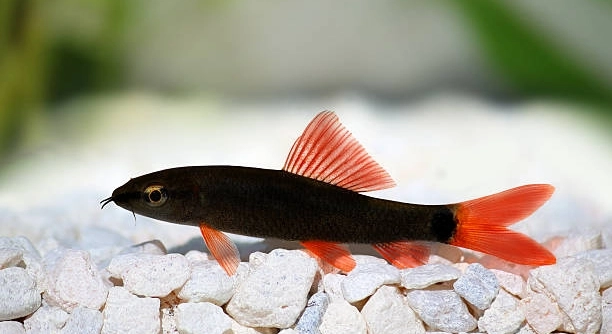
Is your rainbow shark refusing to eat and leaving you worried? These colorful fish can sometimes stop eating, which is a common concern for many aquarium owners. Understanding why this happens is important for their care and well-being.
A rainbow shark may stop eating due to stress, poor water quality, illness, or improper diet. Ensuring the tank environment is stable, clean, and appropriate will help restore their appetite and maintain their health effectively.
Knowing how to respond when your fish won’t eat can make a big difference. The following tips will help you identify causes and take the right steps to support your rainbow shark’s recovery.
Check Water Quality First
Water quality is the most common reason a rainbow shark stops eating. Poor water conditions cause stress and illness, making fish lose their appetite quickly. Test your tank water for ammonia, nitrites, nitrates, and pH levels using a reliable test kit. Ammonia and nitrites should be at zero, nitrates below 20 ppm, and pH stable between 6.5 and 7.5. If levels are off, do a partial water change of about 25-30% and use a water conditioner to remove chlorine and chloramine. Also, clean the filter to keep water flowing properly without harming beneficial bacteria. Keeping the water clean and balanced is crucial for your rainbow shark’s health. Watch your fish closely after improving water quality, as they usually regain appetite within a few days if the water conditions were the problem. Regular maintenance prevents recurring issues and keeps your tank environment stable.
Maintaining ideal water parameters will help reduce stress and encourage your rainbow shark to eat again.
If water quality is good, look for other stress sources like tank mates or temperature changes. A calm and consistent environment supports healthy feeding habits and overall well-being.
Monitor Tank Mates and Environment
Aggressive or overly active tank mates can intimidate a rainbow shark, causing it to hide and refuse food. Keep an eye on interactions during feeding times and note any chasing or bullying behaviors. Rainbow sharks prefer a peaceful tank with plenty of hiding spots like caves and plants. They also do best in tanks with at least 30 gallons of water, so overcrowding can increase stress and lower appetite. Maintain a stable water temperature between 74°F and 79°F, as sudden changes may shock your fish and affect eating. A well-arranged tank with enough space and hiding places can improve comfort and encourage feeding. Adjusting your tank setup and monitoring fish behavior closely will help your rainbow shark feel secure and more willing to eat.
Watch the tank dynamics carefully to identify if any fish are causing stress.
Tank mates impact a rainbow shark’s feeding habits significantly. When other fish are aggressive, your shark may become withdrawn, refusing to eat even if the water is perfect. Creating a calm, spacious, and well-structured environment will reduce stress and promote normal behavior. Add plants, rocks, or decorations to provide shelter and reduce conflict. Keeping the temperature steady within the recommended range also supports a healthy appetite. A peaceful tank allows your rainbow shark to feel safe and encourages it to resume eating regularly. If aggression continues, consider relocating aggressive fish or separating your rainbow shark temporarily until it recovers. Consistent care and observation are key to maintaining a healthy, stress-free aquarium.
Adjust Feeding Routine
Feeding your rainbow shark smaller amounts more frequently can stimulate its appetite. Avoid overfeeding, which leads to water quality issues and stress.
Rainbow sharks often respond well to a consistent feeding schedule. Instead of one large feeding, divide their food into two or three smaller portions throughout the day. This approach mimics their natural foraging behavior and encourages regular eating. Use a variety of foods, including high-quality flakes, pellets, and occasional live or frozen treats like bloodworms or brine shrimp. Changing up their diet can make mealtime more appealing. Always remove uneaten food promptly to keep the tank clean and prevent water contamination, which could further discourage feeding.
Consistency in feeding times helps your rainbow shark adjust and feel secure. Feeding in the same place at regular intervals makes it easier for the fish to anticipate food, reducing stress and increasing its willingness to eat.
Observe for Signs of Illness
Lack of appetite can be a symptom of illness or parasites. Watch for unusual behavior, such as lethargy, clamped fins, or discoloration.
If your rainbow shark shows physical changes or behaves differently, it may need treatment. Common illnesses include ich, fungal infections, or bacterial diseases. These often cause the fish to stop eating. Quarantine the affected fish if possible and use appropriate medication as advised by an aquarium professional. Maintain excellent water quality during treatment to support recovery. Early detection and prompt action are crucial to prevent worsening health problems. Keeping a close eye on your fish’s health can save time and reduce stress for both you and your rainbow shark. Treatment success rates are much higher when problems are caught early, so vigilance is important.
Provide Hiding Spots
Rainbow sharks feel safer with plenty of hiding places in the tank. Add caves, plants, or decorations to reduce stress.
A secure environment encourages them to come out and eat more regularly. Without hiding spots, they may stay hidden and refuse food.
Check Water Temperature
Maintain the water temperature between 74°F and 79°F. Sudden drops or spikes can stress your fish and affect feeding.
Consistent temperature supports metabolism and overall health, helping your rainbow shark feel comfortable and willing to eat.
Use Appetite Stimulants
Sometimes, adding natural appetite stimulants like garlic or specially formulated fish foods can encourage eating. These can spark interest in food and help a reluctant eater regain its appetite.
Try soaking pellets in garlic juice or using commercially available stimulants for a short time. Monitor your fish’s response carefully to avoid overuse.
Avoid Overcrowding
Too many fish in one tank create competition and stress. Crowding can cause your rainbow shark to stop eating due to constant harassment or lack of space.
FAQ
Why is my rainbow shark not eating but still active?
Sometimes a rainbow shark may be active but refuse food because it is stressed or adjusting to a new environment. Stressors like water quality, tank mates, or recent changes can cause this behavior. The fish might also be picky about the type of food offered. Ensuring good water parameters and trying different foods can help encourage eating. Patience is important during this adjustment period, as it might take a few days for the fish to start feeding normally again.
How long can a rainbow shark go without eating?
Rainbow sharks can survive several days to a week without food, but going longer can weaken their immune system. Lack of eating for more than a week usually signals an underlying problem that needs attention. It’s best to address the cause quickly to avoid health complications. Maintaining proper care and monitoring feeding habits regularly reduces the risk of prolonged fasting.
Can water changes help if my rainbow shark isn’t eating?
Yes, water changes are often helpful. Removing harmful chemicals and waste improves water quality and reduces stress, which can restore appetite. Partial water changes of 25-30% once or twice a week are recommended if water parameters are poor. However, avoid large or sudden water changes, as these can shock your fish and worsen the problem.
What foods are best to encourage a picky rainbow shark to eat?
Rainbow sharks usually prefer a varied diet including sinking pellets, flakes, and live or frozen foods like bloodworms, brine shrimp, and daphnia. Adding garlic juice to pellets can increase appetite. Offering fresh vegetables such as zucchini or cucumber slices may also entice them. Variety keeps meals interesting and can help a picky fish start eating again.
Could illness be the reason for loss of appetite?
Yes, illness is a common cause of appetite loss. Parasites, infections, or injuries can make fish stop eating. Watch for symptoms like discoloration, clamped fins, lethargy, or unusual swimming. If you notice these signs, quarantine the fish and treat with appropriate medication. Prompt action improves chances of recovery.
Is tank size important for feeding behavior?
Tank size does affect feeding. Rainbow sharks need at least a 30-gallon tank with enough space to swim freely. Overcrowded tanks cause stress and competition, leading to poor feeding. A spacious, well-planted tank with hiding spots creates a comfortable environment that supports healthy eating habits.
How do I know if water temperature is affecting my rainbow shark’s appetite?
If the water temperature is too low or fluctuating frequently, your rainbow shark may eat less or stop eating. Maintain a stable temperature between 74°F and 79°F using a reliable heater and thermometer. Sudden drops or spikes can stress the fish and slow its metabolism, causing reduced appetite.
Can stress from tank mates cause my rainbow shark to stop eating?
Yes, aggressive or overly active tank mates can intimidate your rainbow shark. Constant chasing or bullying makes the fish hide and avoid food. Providing hiding places and selecting peaceful tank mates helps reduce stress and improves feeding behavior. If aggression continues, separating the fish may be necessary.
Should I fast my rainbow shark if it’s not eating?
If your fish refuses food for a day or two, a short fast is generally safe and can sometimes help reset their appetite. However, prolonged fasting is harmful. If your rainbow shark hasn’t eaten for more than three days, investigate water quality, tank conditions, and health issues promptly.
How can I safely introduce new foods to a rainbow shark?
Introduce new foods gradually by mixing small amounts with their usual diet. Observe how your fish reacts before increasing the amount. Avoid sudden diet changes that can upset their digestive system. Consistent feeding times and familiar routines also help the fish adjust to new foods more easily.
What should I do if my rainbow shark continues to refuse food?
If appetite does not improve after addressing water quality, tank environment, and diet changes, consult a vet or aquarium specialist. Persistent refusal to eat can indicate serious illness. Acting early prevents further health decline and increases the chance of successful treatment.
Can supplements or vitamins improve my rainbow shark’s appetite?
Some supplements, like vitamin-enriched foods or liquid vitamins added to the water, may support health and encourage eating. However, supplements should not replace good care or proper diet. Use them cautiously and according to instructions to avoid overdosing.
Is it normal for rainbow sharks to skip meals sometimes?
Occasional skipped meals are not uncommon and usually not a concern. Rainbow sharks may eat less during breeding or minor stress periods. Consistent refusal to eat, however, signals a problem that needs attention. Regular monitoring helps detect issues early.
How often should I clean the tank to support healthy feeding?
Regular cleaning, including partial water changes and filter maintenance once a week, keeps the tank environment stable. Clean tanks reduce stress and disease risk, supporting your fish’s appetite. Avoid over-cleaning, which can disrupt beneficial bacteria and harm water quality.
Can lighting affect my rainbow shark’s eating habits?
Lighting does influence fish behavior. Too bright or constant light can stress your rainbow shark, causing it to hide and eat less. Provide a natural day-night cycle with about 8-10 hours of light daily. Adjust brightness or add shaded areas to make the tank more comfortable.
This FAQ covers common concerns about a rainbow shark’s appetite. Following these tips will help keep your fish healthy and feeding well.
Taking care of a rainbow shark that refuses to eat can feel frustrating, but understanding the reasons behind this behavior is the first step toward helping your fish. Many factors, such as water quality, tank environment, feeding routines, and health issues, affect a rainbow shark’s appetite. Maintaining a clean, stable tank with proper temperature and plenty of hiding places can reduce stress, which is often the main cause of poor eating habits. Being patient and attentive to changes in behavior will help you spot problems early and take the right actions to support your fish.
Feeding routines also play an important role in encouraging a rainbow shark to eat. Offering smaller meals more frequently and providing a varied diet can stimulate interest in food. It is common for these fish to respond well to natural appetite stimulants like garlic or live and frozen foods. Removing uneaten food quickly helps maintain good water quality, which is essential for the overall health of the tank. Watching how your fish reacts to different foods and adjusting the environment can create a better setting for regular eating habits to return.
If your rainbow shark’s appetite does not improve despite changes in care, illness or stress from tank mates may be the cause. Observing your fish for signs of disease or aggressive behavior is important for quick intervention. Quarantining and treating sick fish, or rearranging tank mates to reduce stress, can improve feeding behavior. Always keep the tank clean and provide enough space to avoid overcrowding. Consistent care and close observation help ensure your rainbow shark stays healthy and comfortable, increasing the chances it will eat normally again.

Hello,
If you enjoy the content that we create, please consider saying a "Thank You!" by leaving a tip.
Every little bit helps us continue crafting quality advice that supports the health, happiness, and well-being of pets around the world, for pets of all shapes, sizes, and species.
We really appreciate the kindness and support that you show us!