
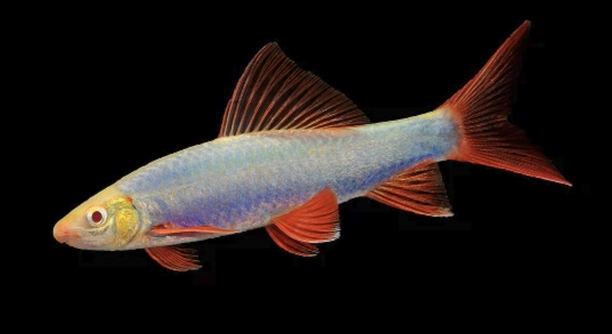
Keeping your rainbow shark healthy is important for a happy aquarium. These fish need clean water, proper food, and good care to thrive. When they show signs of illness, quick action helps prevent serious problems.
If your rainbow shark appears sick, first check water quality and temperature, then adjust diet, isolate the fish if needed, and consider medication or consulting a specialist to restore its health effectively and safely.
Knowing how to respond to these early signs can make all the difference. This article will guide you through key steps to help your rainbow shark recover smoothly.
Check Water Quality and Temperature
Water quality is the foundation of your rainbow shark’s health. Poor water conditions cause stress and illness. Regularly test for ammonia, nitrite, nitrate, and pH levels. Ideal ammonia and nitrite levels are zero, while nitrate should be below 20 ppm. Keep the pH between 6.5 and 7.5. Temperature also matters; rainbow sharks thrive between 74°F and 80°F. Sudden changes in temperature can weaken their immune system. Make sure your filtration system is working well and clean the tank regularly. Partial water changes every week help keep toxins low and oxygen levels high. If you notice any cloudiness or foul smell in the tank, it is time for maintenance. Monitoring water quality can prevent many common diseases in rainbow sharks. When water conditions improve, sick fish often start to recover quickly.
Proper water conditions reduce stress and help your rainbow shark heal faster.
Keeping a routine for checking and maintaining your aquarium water not only prevents illness but also creates a stable environment. If you notice your fish gasping for air or staying at the surface, it could mean low oxygen or poor water quality. Besides water tests, watch for excess algae or waste buildup that can affect health. Using water conditioners can remove harmful chemicals like chlorine and chloramine. If water parameters are off, correct them slowly to avoid shocking your fish. Clean substrate and decorations regularly since debris can trap waste. Investing time in tank care is the best way to protect your rainbow shark and keep it active.
Adjust Diet and Feeding
Rainbow sharks need a balanced diet for good health. Feeding them quality pellets, flakes, and occasional live or frozen foods provides necessary nutrients. Avoid overfeeding as leftover food pollutes the water and causes illness. Feed small amounts once or twice daily. Variety in food keeps your shark interested and supports its immune system. Supplements like vitamins can help if your fish is weak or recovering. If your rainbow shark refuses food, try offering different textures or flavors. Sometimes illness causes a loss of appetite, so patience is key.
Providing proper nutrition supports recovery and strengthens your fish’s resistance to disease.
If your rainbow shark is sick, improving its diet can make a big difference. Fresh, high-protein foods like bloodworms or brine shrimp offer energy and nutrients needed for healing. Avoid feeding only plant-based foods since rainbow sharks are omnivores and need some animal protein. When changing food types, introduce them gradually to avoid digestive upset. Remove uneaten food after feeding to prevent water contamination. In cases of severe illness, specialized medicated foods may be recommended by veterinarians. Feeding times should be consistent to establish a routine. Monitoring eating habits helps detect early health issues. A healthy diet combined with clean water creates the best conditions for your rainbow shark to recover and thrive again.
Isolate the Sick Fish
Separating the sick rainbow shark from other fish helps prevent disease spread. Use a quarantine tank with similar water conditions to avoid additional stress. Isolation allows focused treatment and monitoring without risking your main aquarium’s health.
Set up the quarantine tank with clean, dechlorinated water at the same temperature and pH as the main tank. Avoid overcrowding to reduce stress. Use a gentle filter and keep lighting moderate. Monitor the fish closely for changes in behavior or symptoms. Isolating early gives you a better chance to manage illness and protect other fish.
Regularly clean the quarantine tank and change water to maintain good conditions. Treat only the sick fish with any medications to reduce chemical impact on healthy tankmates. Isolation supports faster recovery and controls potential outbreaks in your aquarium.
Consider Medication
Medication can be necessary if your rainbow shark shows signs of bacterial, fungal, or parasitic infections. Choose treatments based on symptoms and diagnosis, avoiding broad use of antibiotics or chemicals to prevent resistance or harm.
Before starting treatment, confirm the illness by observing symptoms or consulting an expert. Follow dosage instructions carefully and complete the full course of medication. Monitor water quality during treatment, as some medications can affect beneficial bacteria and water parameters. Remove activated carbon from filters since it absorbs medicine, reducing effectiveness. If you see no improvement after a week, reassess the diagnosis or try a different treatment. Proper medication use can help your rainbow shark recover without causing further harm to your aquarium ecosystem.
Maintain Proper Tank Cleanliness
Regular cleaning prevents harmful bacteria and waste buildup that can stress your rainbow shark. Remove uneaten food and debris daily to keep the environment healthy.
Change 20-30% of the water weekly to maintain good water quality. Clean the substrate and decorations gently without disturbing beneficial bacteria.
Monitor Behavior and Symptoms Closely
Watch your rainbow shark for changes in swimming, appetite, or appearance. Early detection of symptoms like lethargy, clamped fins, or spots helps address problems faster. Consistent observation allows timely interventions that improve recovery chances.
Avoid Overcrowding
Too many fish in one tank increases stress and disease risk. Provide enough space for your rainbow shark to swim comfortably. Overstocking can lead to poor water quality and weakened immune systems.
Keep Stress Low
Stress weakens your fish’s defenses. Avoid sudden changes in water temperature, lighting, or decorations. Provide hiding spots and a calm environment to help your rainbow shark feel secure.
FAQ
How do I know if my rainbow shark is sick?
Signs of illness include loss of appetite, lethargy, clamped fins, unusual swimming patterns, or visible spots and wounds. Your fish may also hide more than usual or gasp at the water surface. Early detection is important for effective treatment.
What water conditions are best for a rainbow shark?
They thrive in water with temperatures between 74°F and 80°F, a pH level of 6.5 to 7.5, and low ammonia and nitrite levels (both should be zero). Regular water changes and filtration help maintain these conditions.
Can diet affect my rainbow shark’s health?
Yes. Feeding a balanced diet with high-quality pellets, flakes, and occasional live or frozen foods helps keep them healthy. Overfeeding or poor food quality can lead to water pollution and illness.
Should I isolate a sick rainbow shark?
Isolating a sick fish in a quarantine tank prevents the spread of disease and allows focused treatment. The quarantine tank should have similar water conditions to the main tank to reduce stress.
When is medication necessary?
Medication is needed if your fish shows symptoms of bacterial, fungal, or parasitic infections. Use treatments specifically targeted for the diagnosed illness and always follow dosage instructions carefully.
How often should I clean the tank?
Perform a partial water change of 20-30% weekly. Remove uneaten food and debris daily to keep the tank clean. Clean substrate and decorations gently to avoid disturbing beneficial bacteria.
Can overcrowding cause illness?
Yes. Too many fish increase stress and waste, leading to poor water quality and higher disease risk. Ensure your tank is properly stocked with enough space for your rainbow shark.
What are common signs of stress in rainbow sharks?
Stress signs include hiding, erratic swimming, loss of appetite, and faded colors. Stress can be caused by sudden water changes, poor water quality, overcrowding, or aggressive tank mates.
How long does it take for a rainbow shark to recover from illness?
Recovery time varies depending on the illness and treatment. With proper care and clean water, most fish begin to improve within a week. Persistent symptoms may require re-evaluation and different treatment.
Can poor water quality alone make my rainbow shark sick?
Yes. Ammonia, nitrites, and nitrates in high levels are toxic. Poor water quality stresses the fish’s immune system, making it easier for infections to take hold. Maintaining good water conditions is essential.
Is it safe to use medication in a tank with plants and other fish?
Some medications can harm plants and sensitive fish species. Use medication only in quarantine tanks when possible. If treating the main tank, select fish-safe medicines and remove activated carbon from filters.
What can I do to prevent my rainbow shark from getting sick?
Maintain stable water parameters, feed a balanced diet, avoid overcrowding, and regularly clean the tank. Quarantine new fish before adding them to the main tank to avoid introducing diseases.
How important is tank lighting for rainbow sharks?
Moderate lighting is best. Too bright light can stress your fish, while too little can affect their natural behavior. Provide hiding spots to help them feel safe under the lighting conditions.
What should I do if my rainbow shark stops eating?
Loss of appetite is a common sign of illness. Try offering different foods, such as live or frozen options. Check water quality and temperature. If the fish continues not to eat, isolate and treat as needed.
Can temperature changes cause health problems?
Sudden or extreme temperature changes weaken your fish’s immune system. Keep the water temperature stable within their preferred range to avoid stress and related illnesses.
How do I handle fin rot or fungus on my rainbow shark?
Isolate the affected fish and use appropriate antibacterial or antifungal medications. Maintain excellent water quality and remove any damaged fins to prevent infection spread.
What are some signs of parasite infection?
Look for scratching against objects, rapid breathing, white spots, or swelling. Parasites can cause severe damage if untreated, so prompt diagnosis and treatment are important.
Is it necessary to consult a vet for sick fish?
Consulting a vet or fish specialist can provide a precise diagnosis and treatment plan, especially if symptoms are severe or don’t improve with basic care. This can save your fish’s life.
How can I tell if my rainbow shark is stressed by tank mates?
Aggressive behavior from other fish, frequent chasing, or hiding indicate stress caused by tank mates. Consider separating aggressive fish or providing more hiding places.
What role does oxygen play in rainbow shark health?
Oxygen-rich water is crucial. Poor oxygen levels cause gasping and lethargy. Ensure proper aeration and surface agitation to keep oxygen levels high.
Are water conditioners necessary?
Water conditioners remove harmful chemicals like chlorine and chloramine from tap water, making it safe for fish. Always treat new water before adding it to the tank.
Can plants help improve aquarium health?
Live plants absorb nitrates and provide oxygen, improving water quality. They also offer hiding spots that reduce stress for your rainbow shark.
What should I do if my rainbow shark has injuries?
Clean the wounds gently and isolate the fish to prevent infection. Use antibacterial treatments if necessary and maintain clean water to promote healing.
Is feeding live food better than pellets?
Live food can be more nutritious and stimulating but carries risks of introducing parasites. Use high-quality pellets regularly and treat live food if possible.
How often should I test my aquarium water?
Test weekly or more often if your fish is sick. Frequent testing helps catch problems early and allows prompt corrective action.
What equipment is essential for rainbow shark care?
A good filter, heater, water testing kits, and proper lighting are key. A quarantine tank is also helpful for isolating sick fish.
Can stress cause physical changes in rainbow sharks?
Yes. Stress may cause faded colors, clamped fins, or weight loss. Reducing stressors helps maintain their vibrant appearance and health.
How do I avoid overfeeding?
Feed only what your fish can eat in 2-3 minutes, once or twice a day. Remove leftover food promptly to keep water clean.
Is it normal for rainbow sharks to be territorial?
Yes, especially in smaller tanks. Providing enough space and hiding spots helps reduce territorial aggression.
Can a sudden change in environment cause illness?
Yes. Sudden moves, water changes, or adding new fish can stress your rainbow shark and lower its immunity. Make changes gradually when possible.
What is the best way to introduce new fish?
Quarantine new fish for 2-3 weeks before adding them to your tank. This helps prevent introducing diseases and keeps your rainbow shark safe.
Taking good care of your rainbow shark means paying close attention to its health and environment. When a fish gets sick, quick and careful action can make a big difference. It starts with maintaining clean water, stable temperature, and proper feeding. These basic steps create a strong foundation for your fish’s well-being. If you notice signs of illness, do not delay in checking water quality and making adjustments. Sometimes small changes in the tank conditions can help the fish recover on its own.
Isolating the sick rainbow shark is important to protect other fish and to focus on treatment. Setting up a quarantine tank with similar water conditions reduces stress and allows you to monitor the fish closely. Medication might be needed for infections, but it should be used carefully and according to instructions. Overusing medicines or treating the wrong condition can harm your fish and the aquarium’s balance. Always keep water clean and perform regular tank maintenance to avoid future problems.
Stress is a common cause of illness in rainbow sharks, so it’s important to keep their environment calm and comfortable. Avoid overcrowding and provide hiding spots so the fish can feel safe. A balanced diet with varied foods supports the immune system and helps the fish stay strong. Watching your rainbow shark closely for changes in behavior or appearance allows early action when problems arise. With patience and proper care, your rainbow shark has a good chance to recover and stay healthy for a long time.

Hello,
If you enjoy the content that we create, please consider saying a "Thank You!" by leaving a tip.
Every little bit helps us continue crafting quality advice that supports the health, happiness, and well-being of pets around the world, for pets of all shapes, sizes, and species.
We really appreciate the kindness and support that you show us!