
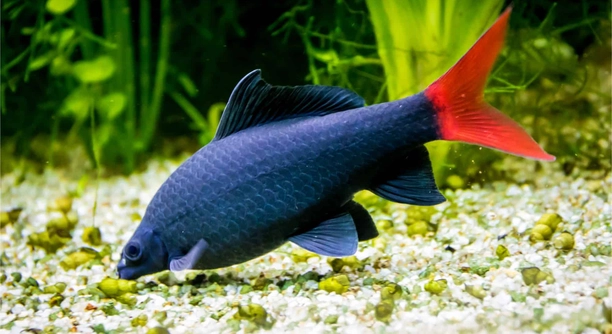
Caring for rainbow sharks can be both enjoyable and challenging for aquarium enthusiasts. These fish need specific conditions to thrive and remain healthy. Avoiding common mistakes can make a big difference in their well-being and lifespan.
Rainbow sharks require careful tank maintenance, proper water parameters, and a balanced diet. Avoid overcrowding, poor water quality, aggressive tank mates, and sudden changes in environment to ensure their health and prevent stress-related issues.
Knowing what to avoid helps you create a better home for your rainbow sharks. These tips will support their long-term happiness and vitality in your aquarium.
Avoid Overcrowding Your Tank
Keeping too many fish in one tank is a common mistake when caring for rainbow sharks. These fish need enough space to swim freely and establish their own territory. Overcrowding leads to stress, which weakens their immune system and makes them more prone to illness. Rainbow sharks can become aggressive when they feel cramped, resulting in fights with other fish. Providing a tank of at least 40 gallons helps reduce these issues. It also allows for proper filtration and stable water conditions. When fish are too crowded, waste builds up faster, which can lower water quality quickly. This creates a harmful environment for all the inhabitants. Make sure to research the appropriate tank size before adding rainbow sharks or any other fish. Remember that adult rainbow sharks grow up to 6 inches long, so space is essential to their well-being.
Overcrowding not only stresses rainbow sharks but also affects other fish in the tank, creating a cycle of poor health.
Taking care to avoid overcrowding keeps your aquarium healthier and your rainbow sharks calmer. This simple step improves water quality and reduces aggression, making the tank a peaceful place for everyone. By giving your fish enough room, you help them grow strong and live longer.
Maintain Stable Water Conditions
Rainbow sharks are sensitive to changes in water temperature and chemistry. Sudden fluctuations can cause stress and lead to disease. It’s important to keep the water temperature steady between 74 and 80 degrees Fahrenheit. Using a reliable heater and thermometer helps monitor this. Regular water testing is also necessary to maintain proper pH levels around 6.5 to 7.5. Ammonia and nitrite levels should always be near zero, as these chemicals are toxic. Frequent water changes—about 25% weekly—help keep these parameters balanced. Avoid adding chemicals or treatments unless you are sure they are safe for rainbow sharks. Consistency in water quality supports their health and activity. A stable environment reduces stress, which is crucial for preventing illnesses like fin rot or fungal infections. Small changes in water conditions can have a big impact, so stay attentive and patient.
When water conditions are stable, rainbow sharks stay active and show brighter colors. They also interact better with other fish. Keeping the water clean and consistent makes all the difference in their care and happiness. A well-maintained tank supports their natural behavior and keeps them healthy for years.
Avoid Aggressive Tank Mates
Rainbow sharks can be territorial and do not do well with overly aggressive fish. Aggressive tank mates can cause constant stress and injuries. Choosing peaceful or semi-aggressive companions is key to a balanced aquarium.
Keeping rainbow sharks with aggressive fish like cichlids often leads to fights and stress. These sharks defend their territory, especially near hiding spots and feeding areas. Aggression can result in damaged fins or even death. Selecting calm species like tetras, danios, or certain catfish helps maintain peace. Avoid small fish that might be seen as food, as rainbow sharks can nip at them. Monitoring behavior regularly allows early detection of any issues. Providing plenty of hiding places and space reduces conflict.
Compatibility matters a lot. Rainbow sharks thrive when housed with fish that don’t challenge their space aggressively. A well-planned community tank prevents injury and helps all fish live comfortably.
Feed a Balanced Diet
Feeding rainbow sharks only flakes or pellets is not enough. Their diet should include live or frozen foods like bloodworms or brine shrimp for proper nutrition. Variety is important to keep them healthy.
A balanced diet supports the vibrant colors and activity levels of rainbow sharks. They are omnivores and require protein from animal sources as well as plant matter. Overfeeding can pollute the water and cause obesity, so feed small portions two or three times a day. Supplementing with vegetables like blanched zucchini or spinach adds fiber and vitamins. Avoid feeding only one type of food, which can lead to deficiencies. Keeping their diet varied encourages natural foraging behavior and prevents boredom.
Regularly providing nutritious food helps your rainbow shark grow strong and resist disease. Paying attention to feeding habits also allows you to notice changes in health early. Feeding with care ensures a happier and longer life for your fish.
Avoid Sudden Changes in Environment
Rainbow sharks are sensitive to quick changes in their surroundings. Sudden moves or water parameter shifts can stress them out. Keeping their environment stable helps them feel secure and reduces health risks.
When adding new fish or rearranging decorations, do it gradually. Sudden changes can confuse rainbow sharks and cause hiding or aggression. Patience during these times protects their well-being.
Provide Plenty of Hiding Spots
Rainbow sharks need places to hide to feel safe. Rocks, caves, and plants offer shelter and reduce stress. Without hiding spots, they may become nervous or aggressive.
Keep the Tank Clean
A clean tank is essential for rainbow sharks’ health. Waste buildup can cause harmful ammonia spikes. Regular cleaning and water changes keep the water safe and clear.
Keeping up with tank maintenance prevents diseases and keeps your fish lively.
How often should I feed my rainbow shark?
Feeding your rainbow shark two to three times a day in small amounts is best. They have small stomachs and can easily become overweight if overfed. Offering a variety of foods like pellets, flakes, and occasional live or frozen treats helps keep their diet balanced. Watch them eat and remove leftover food to avoid water pollution.
What size tank do rainbow sharks need?
A minimum of 40 gallons is recommended for one rainbow shark. They are active swimmers and need space to establish territories. Smaller tanks cause stress and aggressive behavior. If you plan to keep more than one or add other fish, increase the tank size accordingly.
Can rainbow sharks live with other fish?
Yes, but tank mates should be peaceful or semi-aggressive species. Avoid small fish that could be seen as food and highly aggressive fish that may attack the sharks. Good companions include tetras, danios, and larger peaceful catfish. Providing enough hiding spots reduces territorial disputes.
What water conditions are best for rainbow sharks?
They prefer water temperatures between 74 and 80°F (23–27°C). The pH should stay between 6.5 and 7.5, and ammonia and nitrite levels must be zero. Regular water testing and weekly 25% water changes help maintain these conditions and keep your fish healthy.
Why is my rainbow shark hiding all the time?
Excessive hiding usually means stress or discomfort. It could be caused by poor water quality, aggressive tank mates, or lack of hiding places. Check the water parameters and tank setup, and make sure the fish has enough space and shelter. Improving these factors encourages your shark to be more active.
How long do rainbow sharks live?
With proper care, rainbow sharks can live between 5 and 8 years. Good water quality, a balanced diet, and a peaceful environment contribute to their longevity. Regular tank maintenance and observing their health help prevent diseases and extend their lifespan.
What do I do if my rainbow shark shows signs of illness?
Common signs include lethargy, loss of color, fin damage, or unusual swimming behavior. First, check the water parameters for any imbalances. Isolate the fish if possible to prevent spread of illness. Consult a vet or fish specialist for treatment advice and consider using appropriate medications.
Can rainbow sharks jump out of the tank?
Yes, rainbow sharks can jump, especially if stressed or frightened. Make sure your tank has a secure lid to prevent escapes. Maintaining good water conditions and a calm environment reduces jumping behavior.
Is it okay to keep more than one rainbow shark in the same tank?
Multiple rainbow sharks can be kept together if the tank is large enough (at least 75 gallons) and has plenty of hiding places. However, they may still show territorial aggression, especially as they mature. Monitor their behavior closely and be ready to separate them if needed.
What kind of substrate is best for a rainbow shark tank?
Smooth gravel or sand works well for rainbow sharks. Rough or sharp substrate can damage their delicate barbels and fins. A soft substrate also encourages natural foraging behavior and is easier to clean.
Caring for rainbow sharks requires attention to detail and a steady routine. These fish need the right tank size, clean water, and a balanced diet to stay healthy. Avoiding common mistakes like overcrowding, aggressive tank mates, and sudden changes in environment makes a big difference in their well-being. Providing plenty of hiding spots helps them feel secure and reduces stress. Regular maintenance and monitoring of water conditions are essential to prevent illnesses and keep your rainbow sharks active.
Rainbow sharks are sensitive creatures that rely on a stable environment to thrive. Keeping their tank clean and water parameters steady ensures they live longer and display their natural bright colors. Feeding them a varied diet with protein and vegetables supports their growth and vitality. It’s important to feed in moderation to avoid water pollution and health problems. Watching their behavior regularly can help you spot early signs of stress or illness, so you can act quickly to fix any issues.
Being consistent and patient with your care routine will help your rainbow sharks flourish. These fish can be lively and interesting companions when their needs are met. Taking time to research and avoid common pitfalls shows respect for their well-being. With proper care, your rainbow sharks will add beauty and energy to your aquarium for years to come. Remember, every small effort counts toward creating a healthy and peaceful home for them.

Hello,
If you enjoy the content that we create, please consider saying a "Thank You!" by leaving a tip.
Every little bit helps us continue crafting quality advice that supports the health, happiness, and well-being of pets around the world, for pets of all shapes, sizes, and species.
We really appreciate the kindness and support that you show us!